Separate the ingredient from the plant story
CBD, or cannabidiol, is a cannabinoid. Hemp seed oil is an oil ingredient derived from hemp seeds. A reference to one does not establish that the other has been added to a cosmetic. A product can also contain multiple ingredients from a botanical source, so a shared plant name is not enough to describe the recipe.
The distinction appears in FSA guidance too: hemp seed foods and CBD extracts have different novel-food classifications. That food guidance is not an approval for a cosmetic, but it illustrates why the terms should not be treated as interchangeable. The finished product and intended use still need their own assessment.
Reference: FSA guidance distinguishing hemp seed foods and CBD extracts (opens in a new tab)
Look for a complete ingredient explanation
Read the full ingredient list, then compare it with the plain-language product description. If CBD is a selling point, the information should explain that ingredient clearly. If the page describes only hemp seed oil, do not fill the gap by assuming a particular CBD quantity.
On a cosmetic ingredient list, Cannabidiol names CBD; Cannabis Sativa Seed Oil names hemp seed oil. These are different ingredient names. Seeing hemp seed oil alone does not establish an added CBD ingredient or a particular CBD quantity.
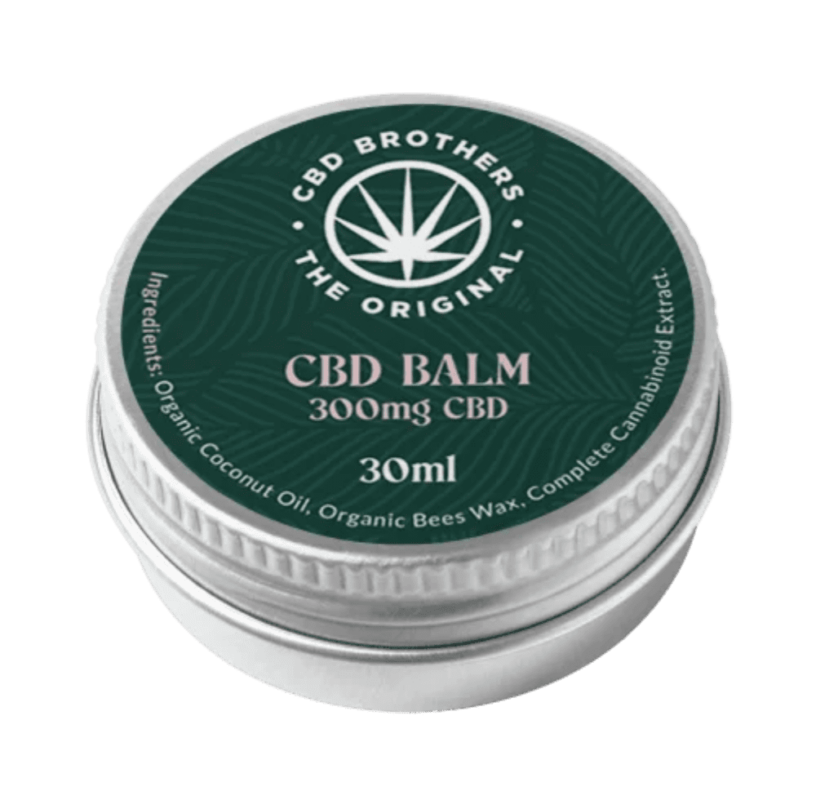
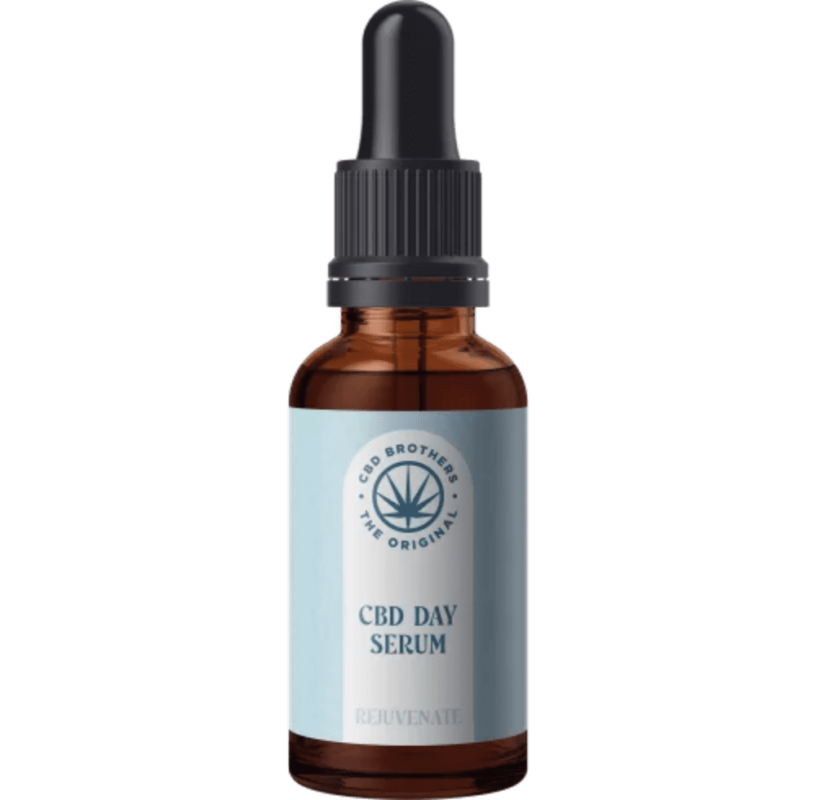
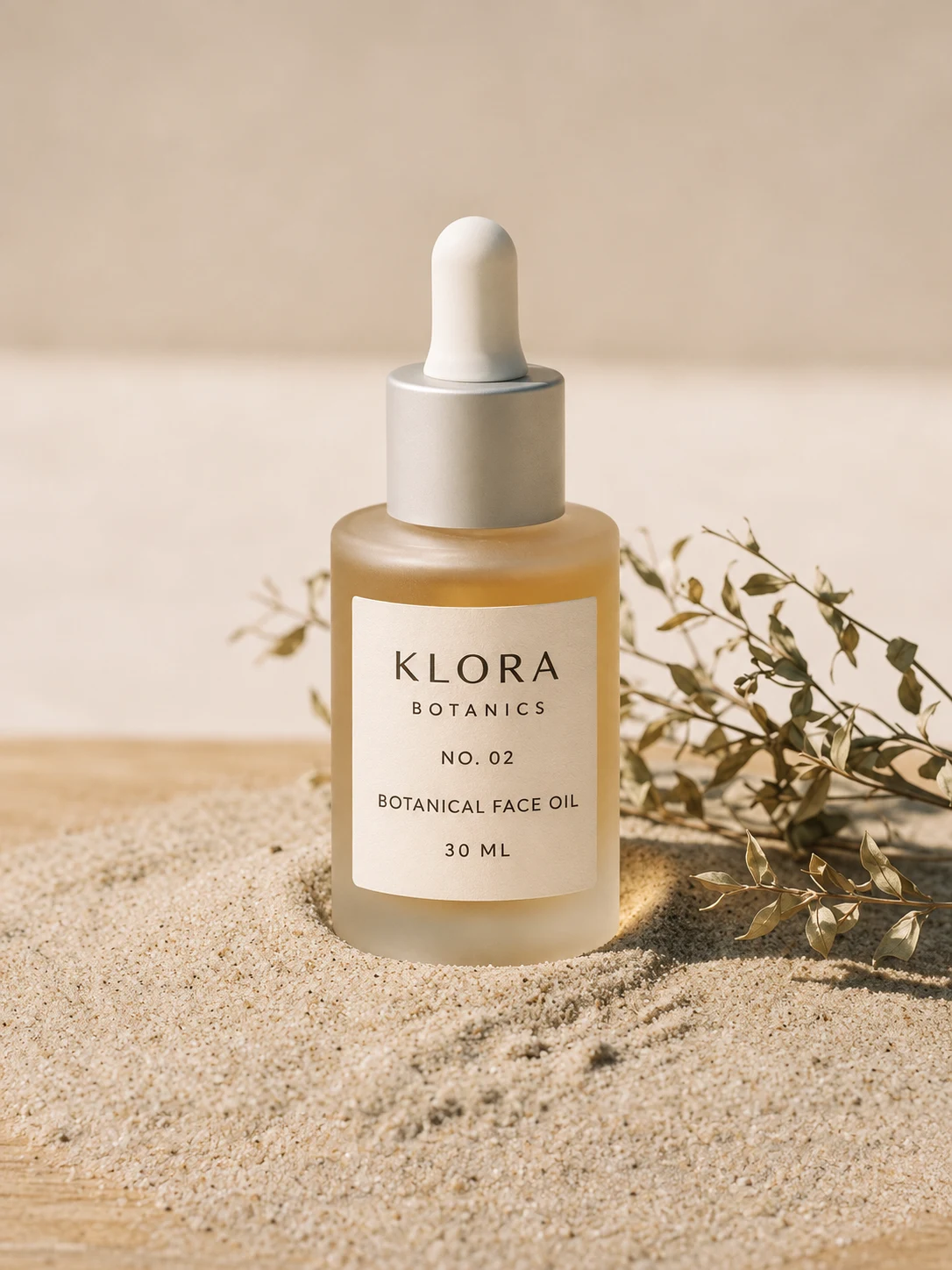
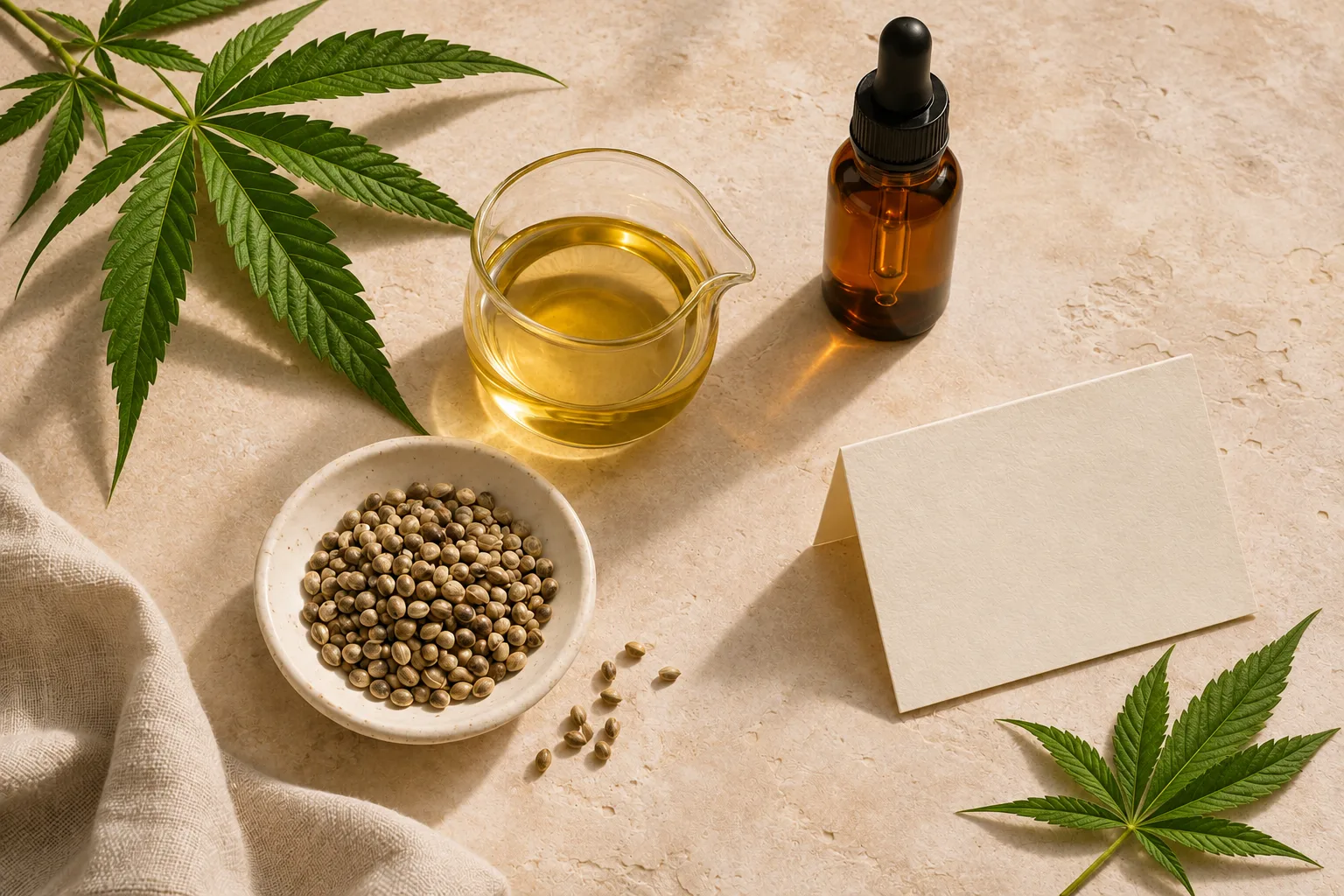
Photographs are helpful for understanding the container and design. They cannot verify what is inside it. The same applies to leaf symbols, botanical patterns and the colour of the oil in a styled image.
Keep the quantity and its subject together
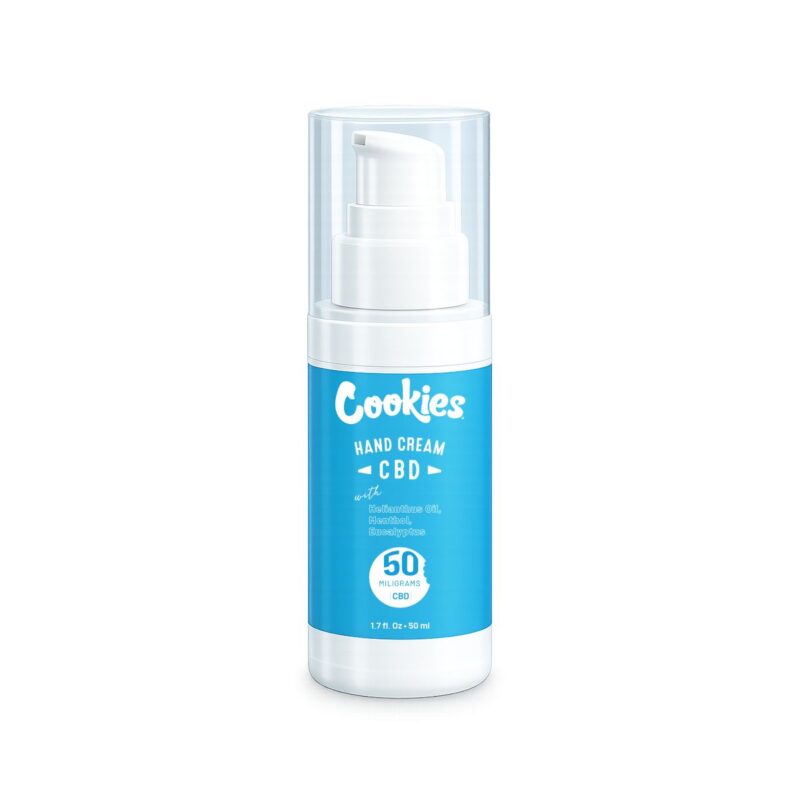
A large milligram figure needs a clear subject. Does it describe CBD across the container, an ingredient blend or something else? The amount of an extract and the amount of CBD within it are not automatically the same figure. Read the exact wording rather than assuming that every number beside a hemp reference means CBD.
Also keep the container size in view. A total quantity without the size tells only part of the story, while a percentage without a clear basis can raise another question. If you cannot explain what the number refers to in a sentence, the product information may need clarification before it becomes a useful comparison.
Other carrier ingredients still matter
A CBD cosmetic does not have to use hemp seed oil as its base. In Klora’s proposed own-label range, the face-oil concept uses squalane and jojoba, while the massage-oil concept includes jojoba and sweet almond oil. CBD is a separate proposed ingredient in those recipes.
These examples explain the own-label range’s formulation direction, not final verified compositions. They also show why a CBD label should not distract from the rest of the formula. Your ingredient preferences, the intended texture and the directions remain relevant even when the headline ingredient is the same.
If you are comparing a hemp seed oil cosmetic with a CBD cosmetic, first decide whether their intended uses and textures are comparable. Two unrelated products do not become alternatives merely because their packaging shares a botanical theme.
Do not turn ingredient identity into a promise
Knowing which ingredient is present answers a composition question. It does not establish that one product will suit your skin better or deliver a particular result. Avoid treating CBD, hemp seed oil or any botanical term as a complete assessment of the finished cosmetic.
The same restraint applies to words such as natural, premium and pure. Ask what the seller means and what evidence relates to the specific claim. A complete formula contains several decisions; reducing it to a single attractive word makes those decisions harder to examine.
A simple way to compare two labels
Place the ingredient lists, container sizes and intended-use statements side by side. Note which facts are stated and which are still unanswered. This gives you a more useful shortlist than ranking products by leaf imagery or the largest number on the packaging.
The Klora own-label body and skincare concepts are awaiting final formulation and assessment. Use this guide to practise reading those distinctions. Return to the final label and product record before making a purchase decision, and keep oral products separate from cosmetics throughout the comparison.
Primary references
Read the original guidance
General information, not personalised medical or legal advice. Product and regulatory details can change. Read the exact product label and current source guidance.