Find the intended use first
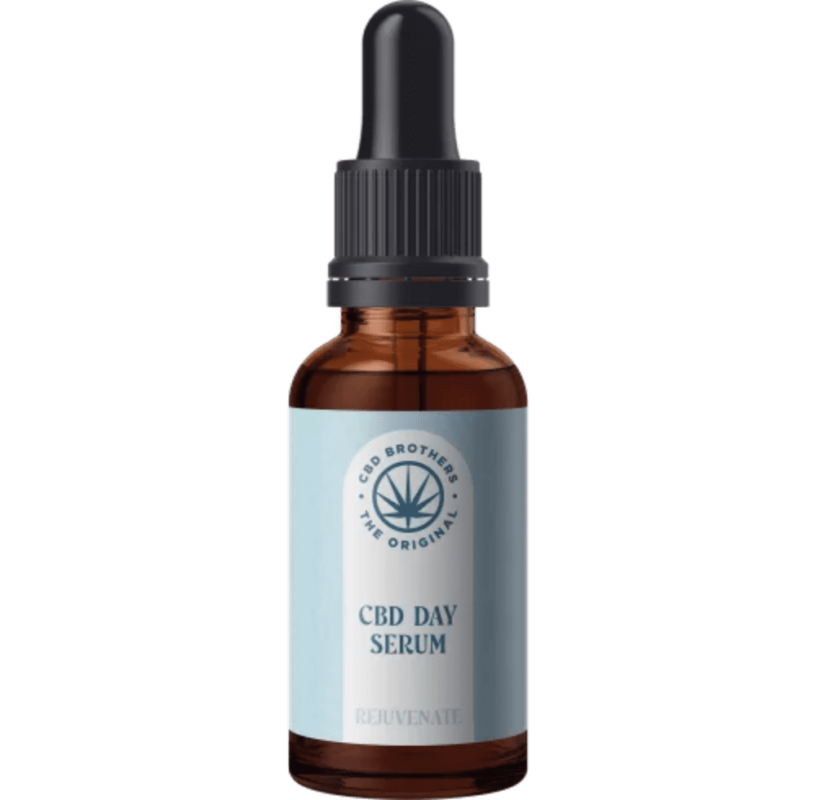
A facial oil, a massage oil and an oral oil may all arrive in amber bottles. Their resemblance does not make them interchangeable. Read the product’s stated use before comparing CBD quantities. Cosmetic products labelled for external use belong in the skincare comparison, not in calculations for food or drink.
Check where the product is intended to be applied and whether the directions identify areas to avoid. A product described for the body should not automatically become your face oil. If the directions are incomplete, the next step is to ask for the missing information, rather than infer the intended use from a photograph.
Choose a texture you actually want
Think about your existing preferences. Do you enjoy a flowing oil, prefer a compact balm or want an applicator that keeps the formula contained? A useful product page explains the intended texture and application format. Words such as rich and light are most helpful when they describe a tested finished product rather than an imagined result.
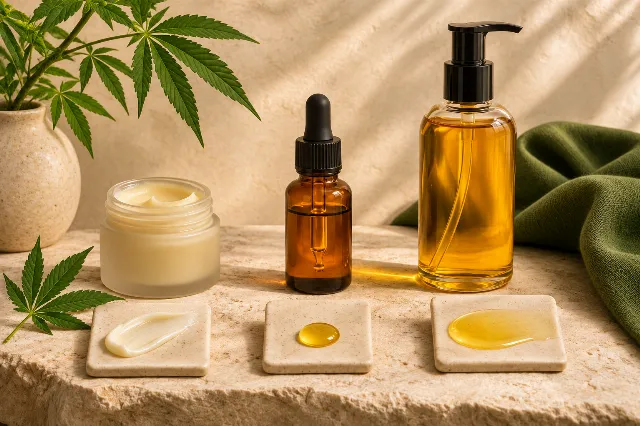
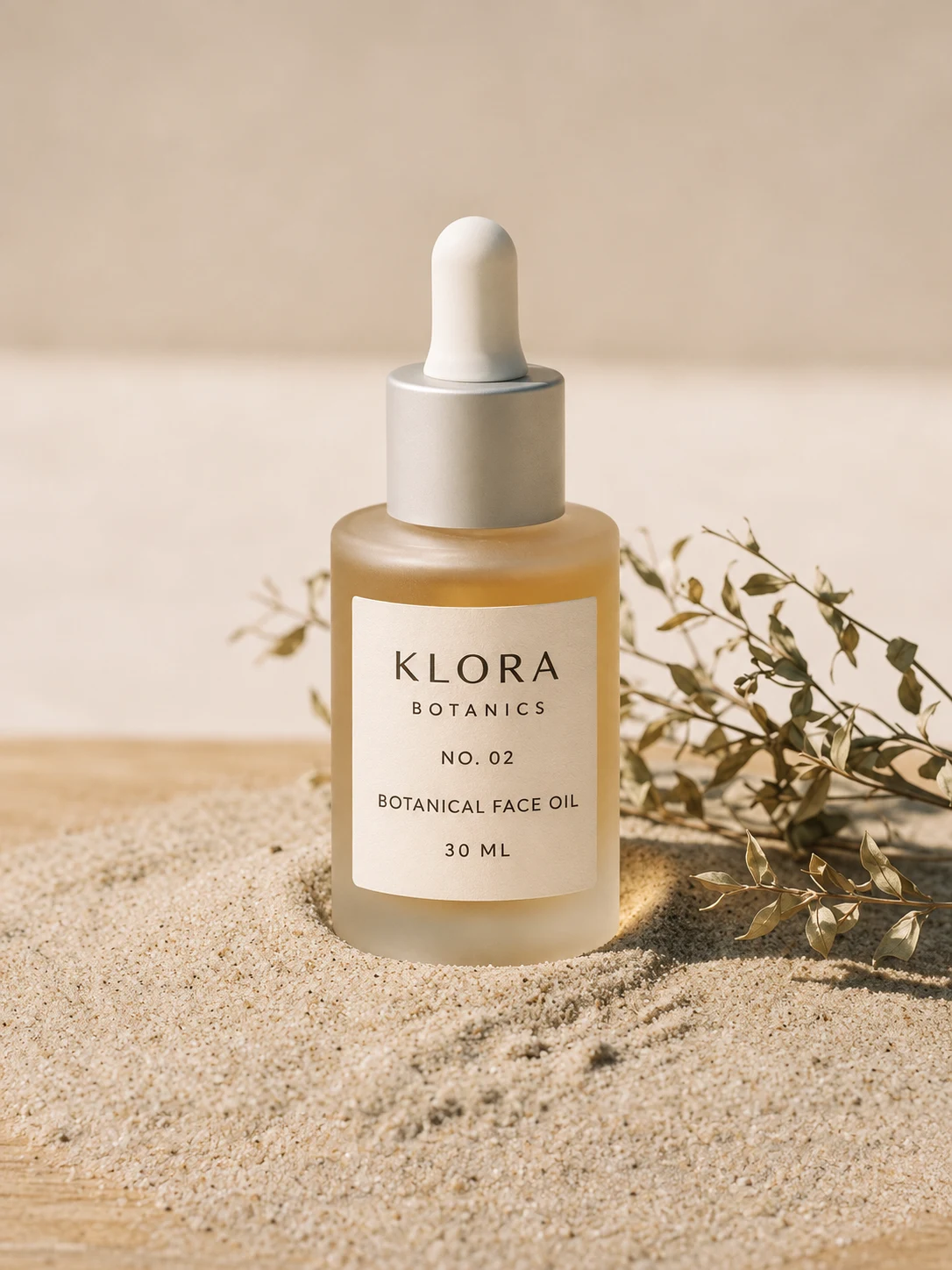
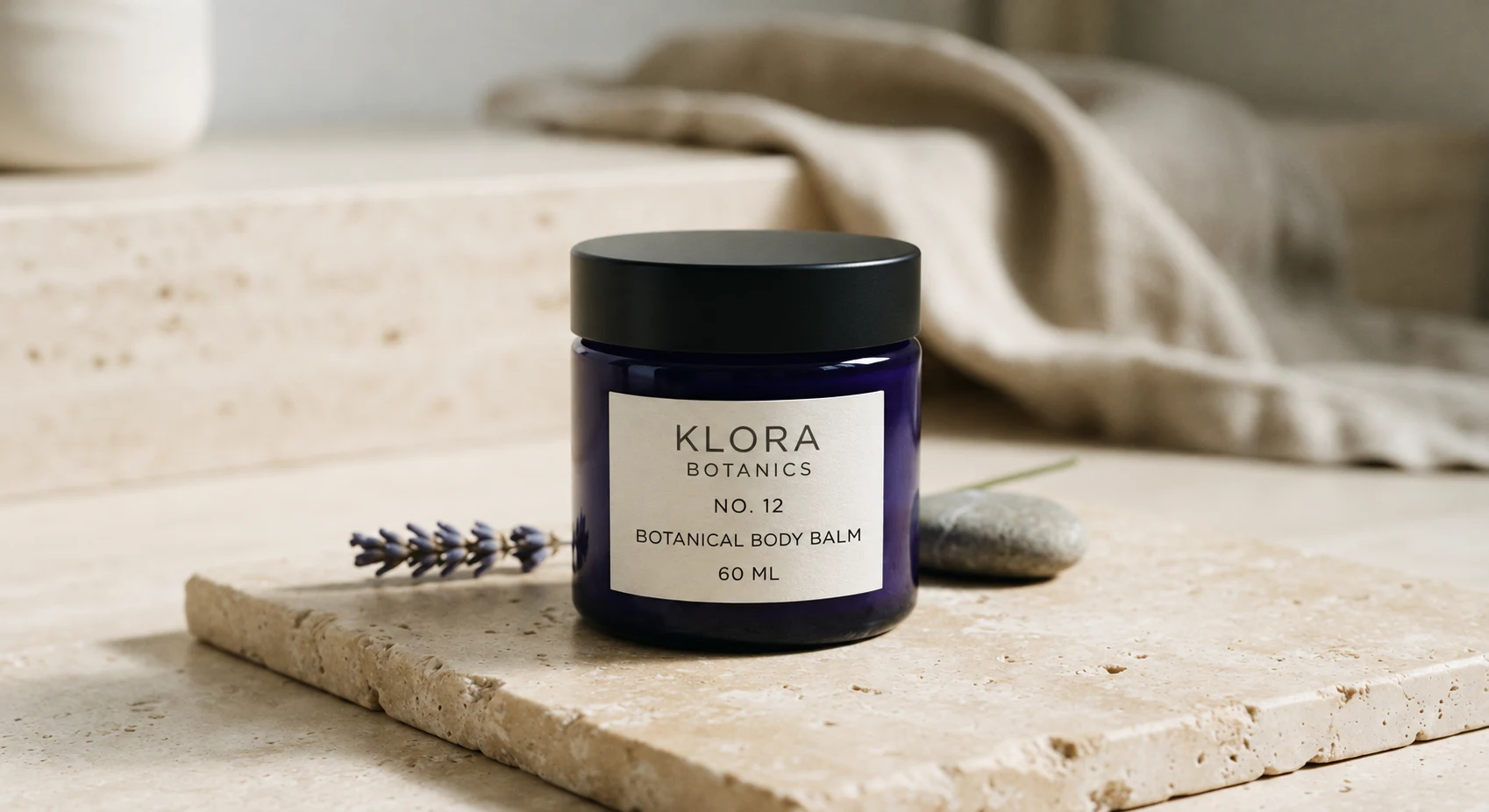
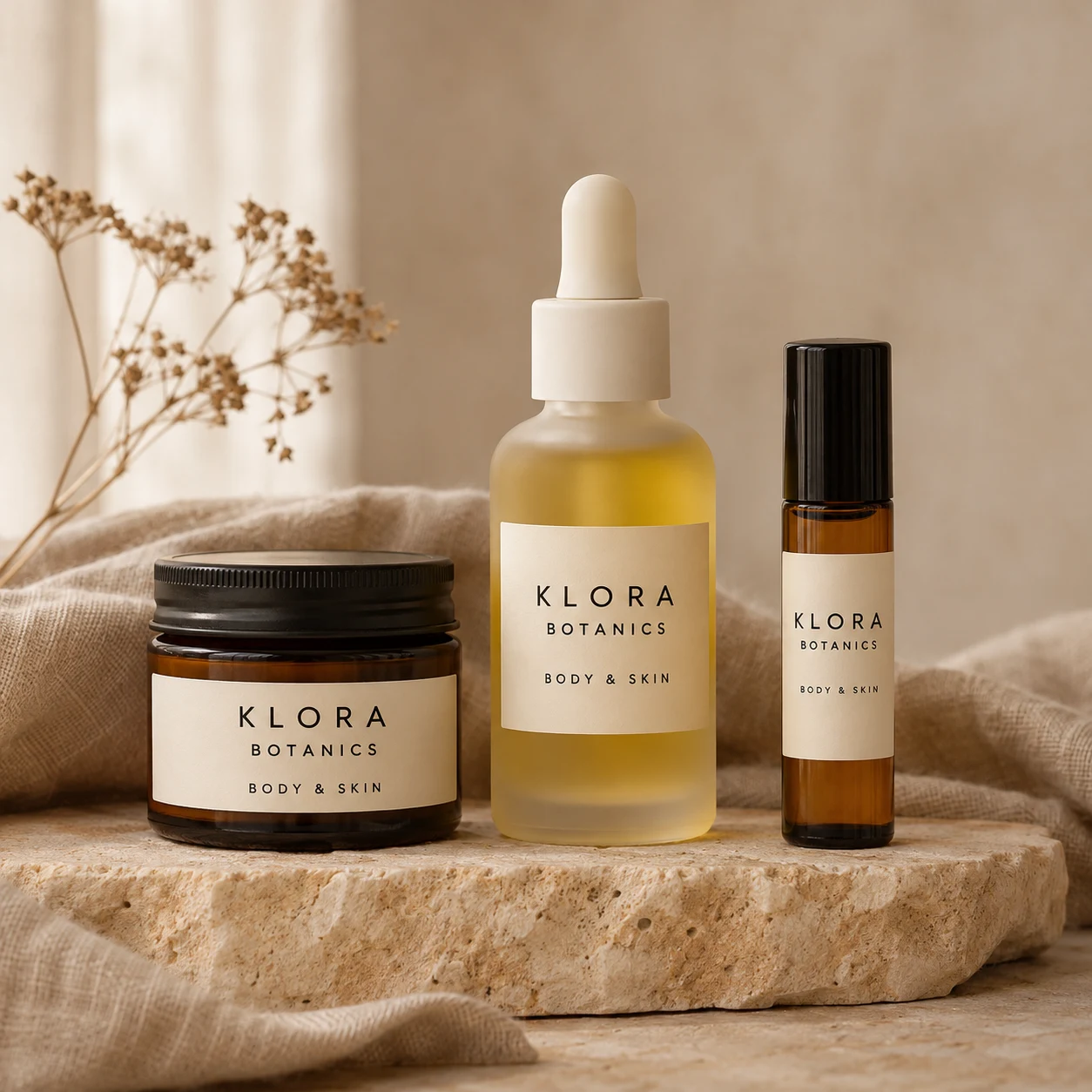
Klora’s proposed own-label skincare range explores face oil, body balm, roll-on gel, botanical balm, serum and massage oil. These are distinct concepts, not a six-step routine. You can compare one format at a time without assuming that a complete collection needs to be used together.
Read beyond the ingredient on the front
Find the full ingredient list and any relevant warnings. If there is an ingredient you already know you need to avoid, check the exact finished formula. A botanical name on the front does not tell you everything else in the bottle, and an unfragranced-looking design does not establish that a product contains no fragrance ingredients.
Our own-label massage-oil concept, for example, proposes jojoba and sweet almond oil alongside CBD. That is useful information about the direction of the formula, but it is not the final ingredient record. The same distinction applies to proposed bakuchiol, menthol, arnica or other additions elsewhere in the collection.
Understand what the CBD number describes
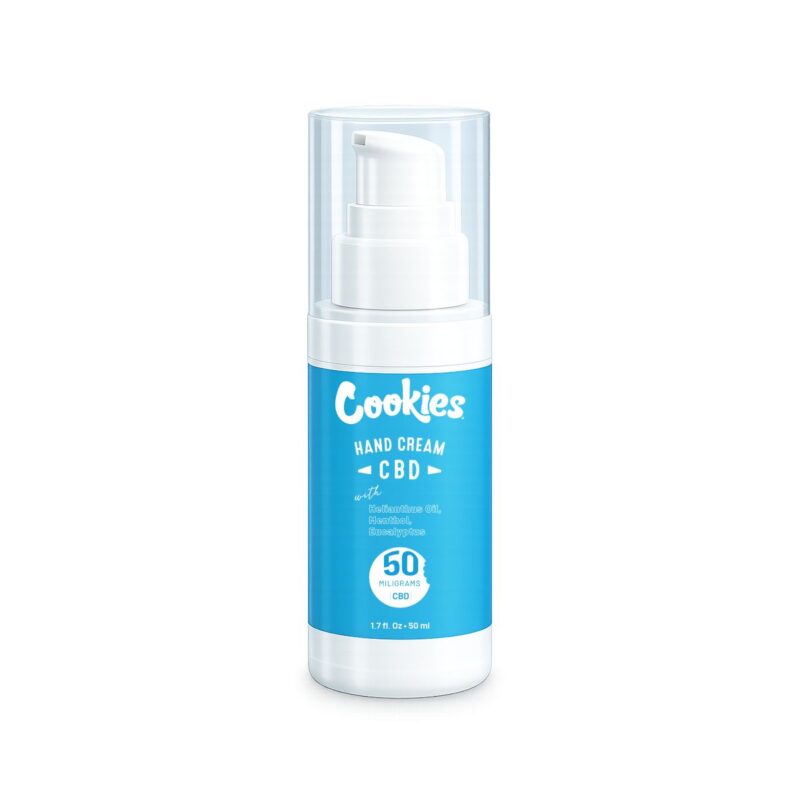
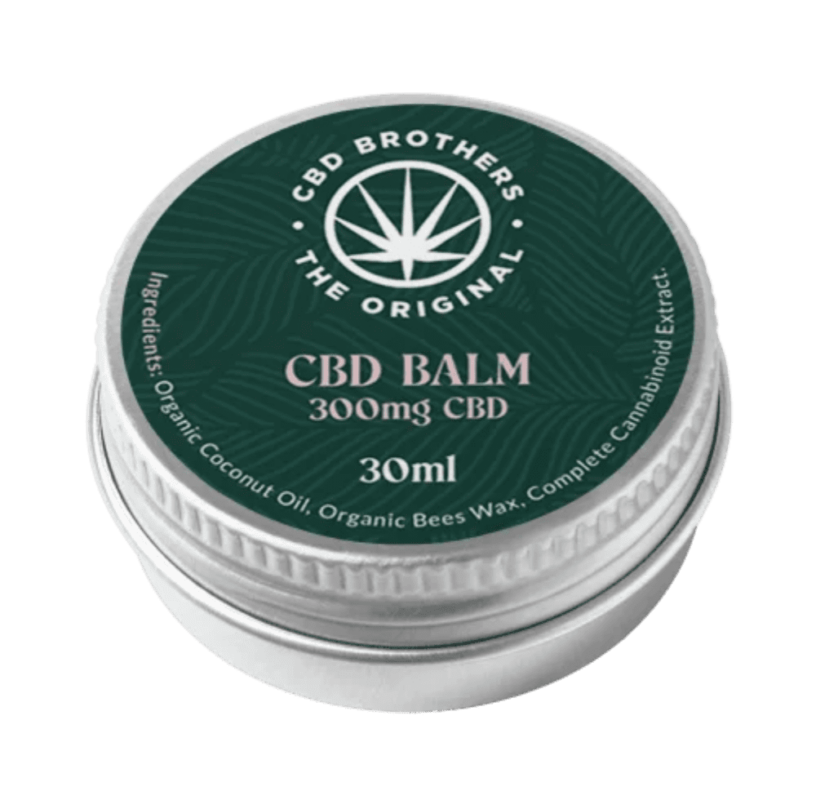
A figure on a cosmetic jar may describe CBD across the entire container. It is not a measure of how much to apply or a score for the formula. Keep the container size beside the number when comparing similar products. A larger jar can carry a larger total while describing a different concentration.
Comparisons become less useful across unlike formats. A small face oil and a generous massage oil have different intended uses and packaging. Choosing solely by the largest CBD figure overlooks the formulation you will actually handle. Ask what the number means before deciding whether it is relevant to your comparison.
Ask what supports the finished product
For Great Britain, a cosmetic needs a qualified safety assessment before being made available to consumers. The Product Information File includes evidence for the product’s effects. These are product responsibilities, not benefits you can infer from CBD being listed as an ingredient.
Klora’s own-label cosmetic concepts are awaiting final formulation and safety assessment. Product imagery does not stand in for that work. A laboratory report can answer particular analytical questions, but it should be read for what it actually covers. It is not a substitute for the full cosmetic record.
Reference: OPSS guidance on making cosmetics available in Great Britain (opens in a new tab)
Keep the choice grounded in cosmetic use
Describe what you are looking for in ordinary terms: a particular texture, an ingredient preference, a bottle size or a convenient way to apply a cosmetic. The collection is not presented as treatment for a skin condition or as relief for muscles or joints. A product name should not be used to fill that gap with an implied promise.
Before choosing, check the final directions, storage information and period of use once opened. If your question concerns an existing skin condition or a reaction to an ingredient, seek suitable professional advice. For browsing, begin with one clear preference and the information needed to assess it.
Primary references
Read the original guidance
General information, not personalised medical or legal advice. Product and regulatory details can change. Read the exact product label and current source guidance.