01 / Match the batch
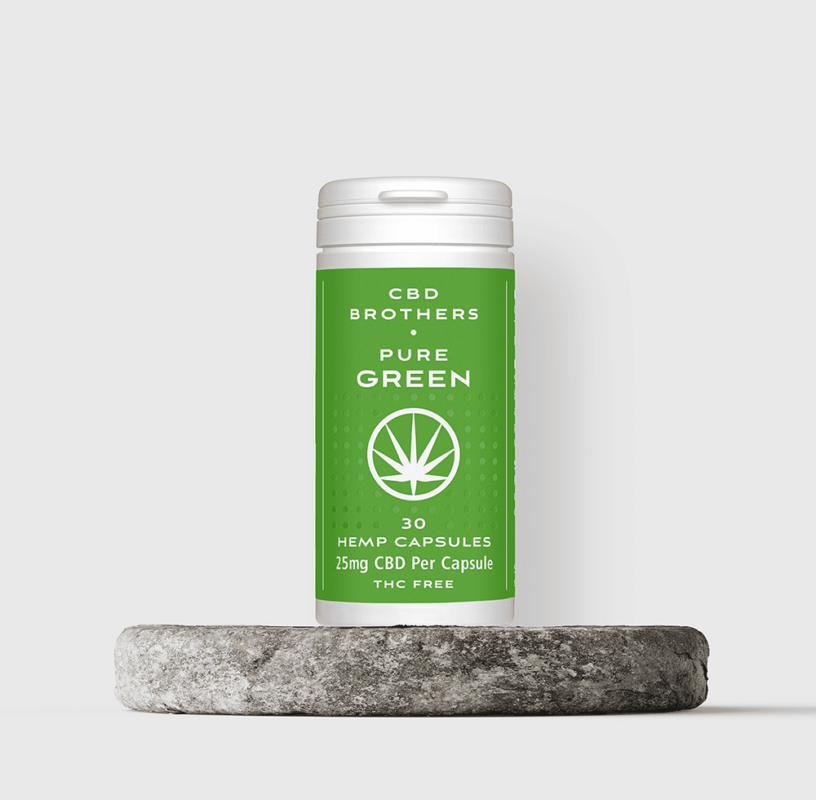
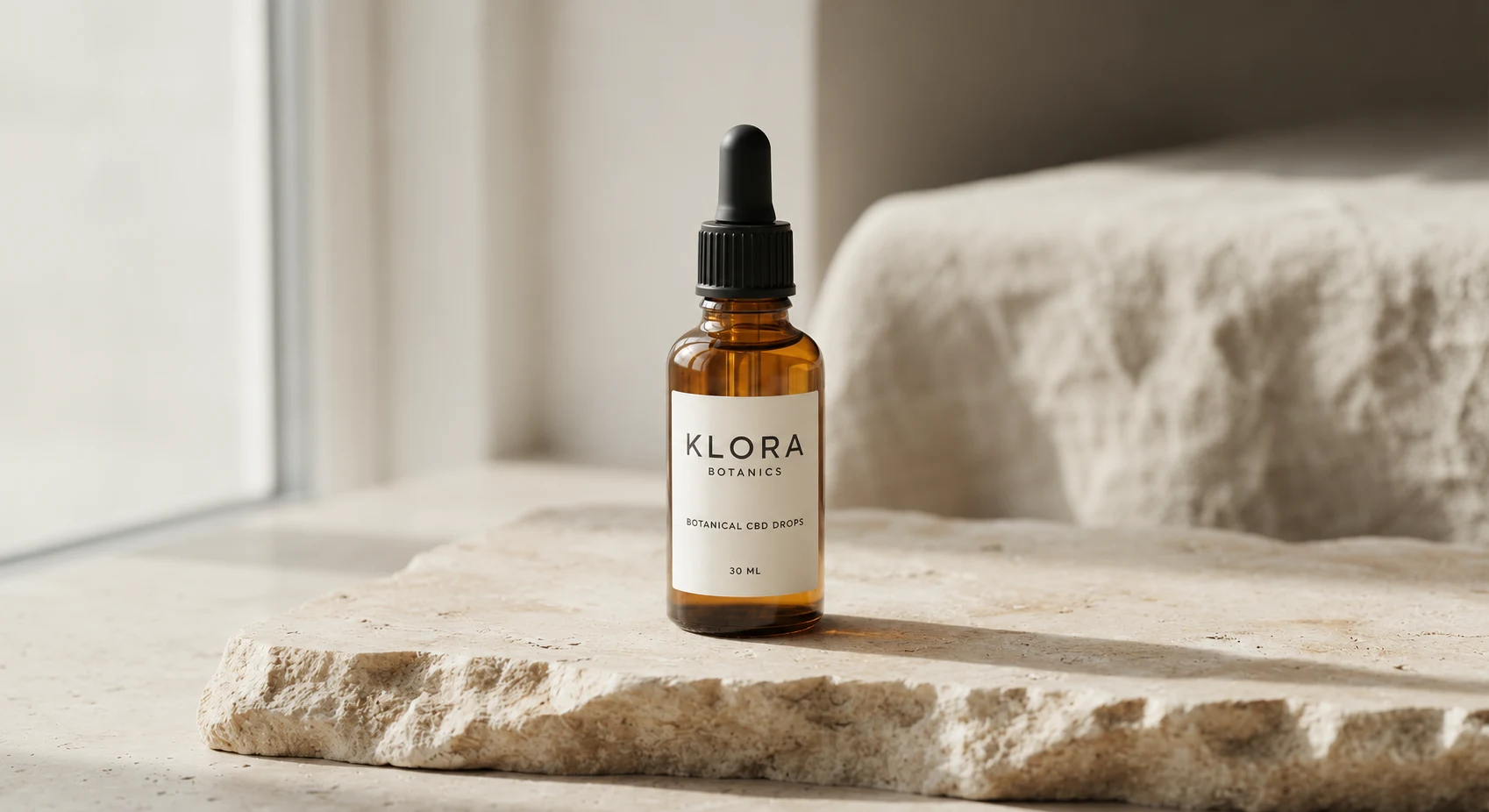
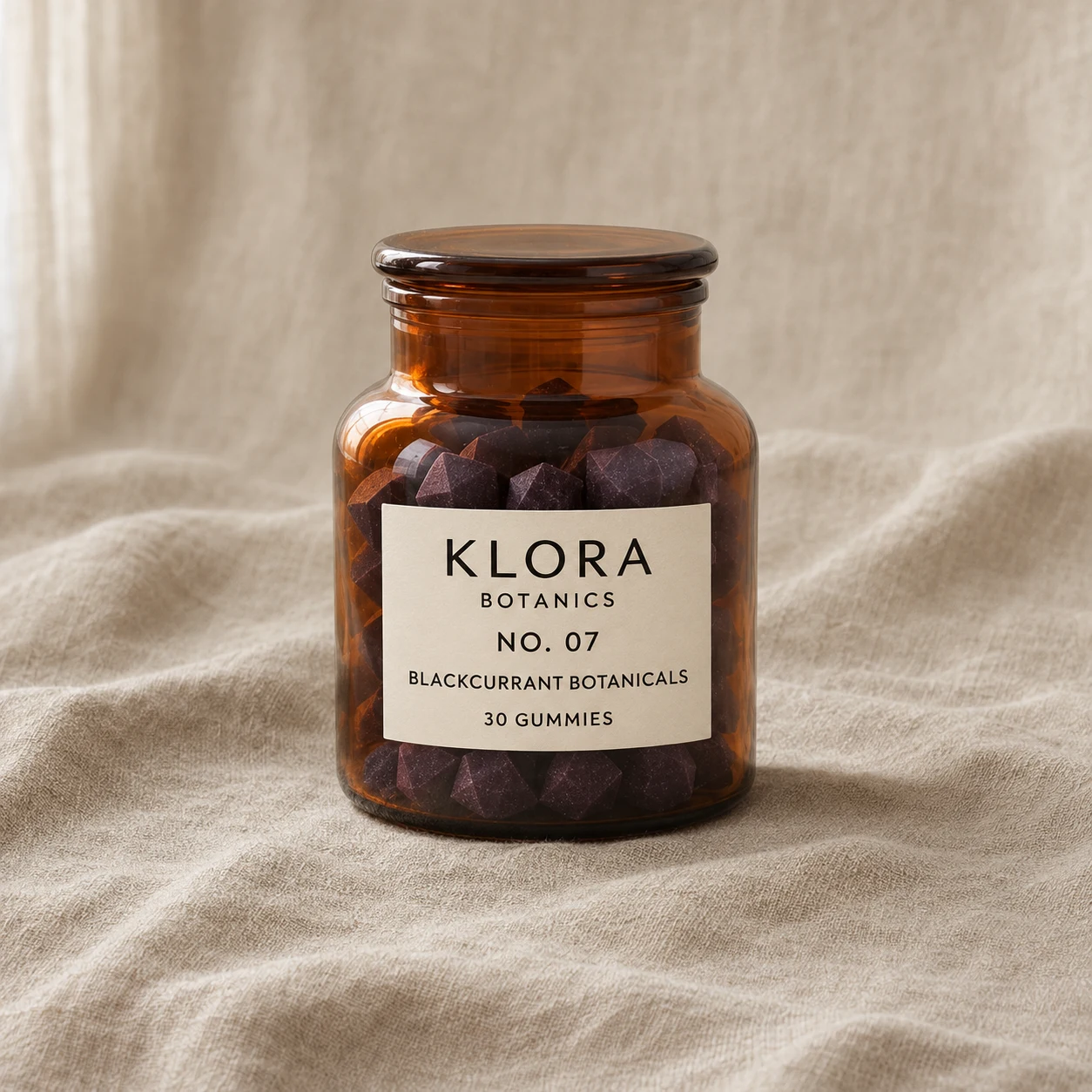
Compare the product name and batch reference with the packaging. Look at the date and the description of the sample. A report for an ingredient is not automatically a report for the finished bottle.
If the reference does not match, ask the supplier to explain the relationship. A visually convincing PDF is not enough on its own.
02 / Check the laboratory and method
Find the laboratory name, report identifier and method. An accreditation mark should be relevant to the actual testing performed, not simply displayed as decoration.
Some reports include multiple panels. A cannabinoid panel says something different from a pesticide, heavy-metal or microbiological panel. Do not assume that an unlisted test has been carried out.
03 / Read the units
Results may be expressed as a percentage, milligrams per gram or milligrams per millilitre. Keep those units attached to the number. Turning a concentration into the amount in an entire container requires the appropriate pack quantity.
A not-detected result means the laboratory did not detect the substance above its stated limit under that method. It should not be rewritten as an absolute zero.
04 / Understand the boundaries
A report describes the sample analysed. It is not a medical endorsement, a novel-food authorisation or a guarantee of every future batch.
Klora’s report library will publish verified documents rather than illustrative certificates. If nothing is available for a batch, the library will say so.
Primary references
Read the original guidance
General information, not personalised medical or legal advice. Product and regulatory details can change. Read the exact product label and current source guidance.