Begin with the intended use
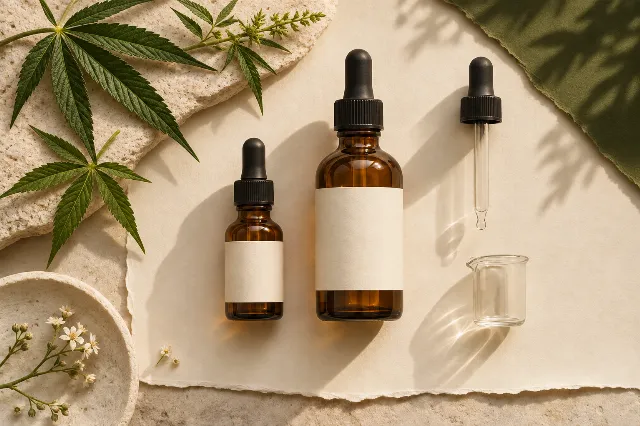
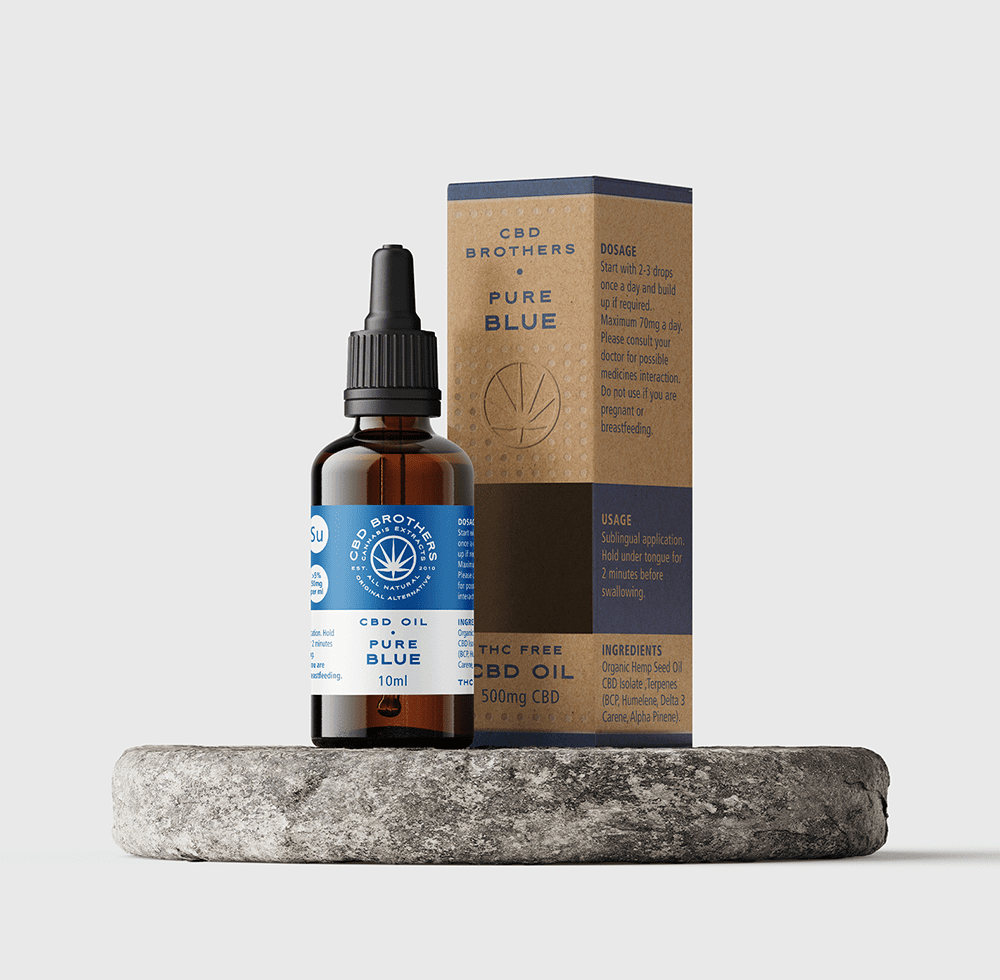
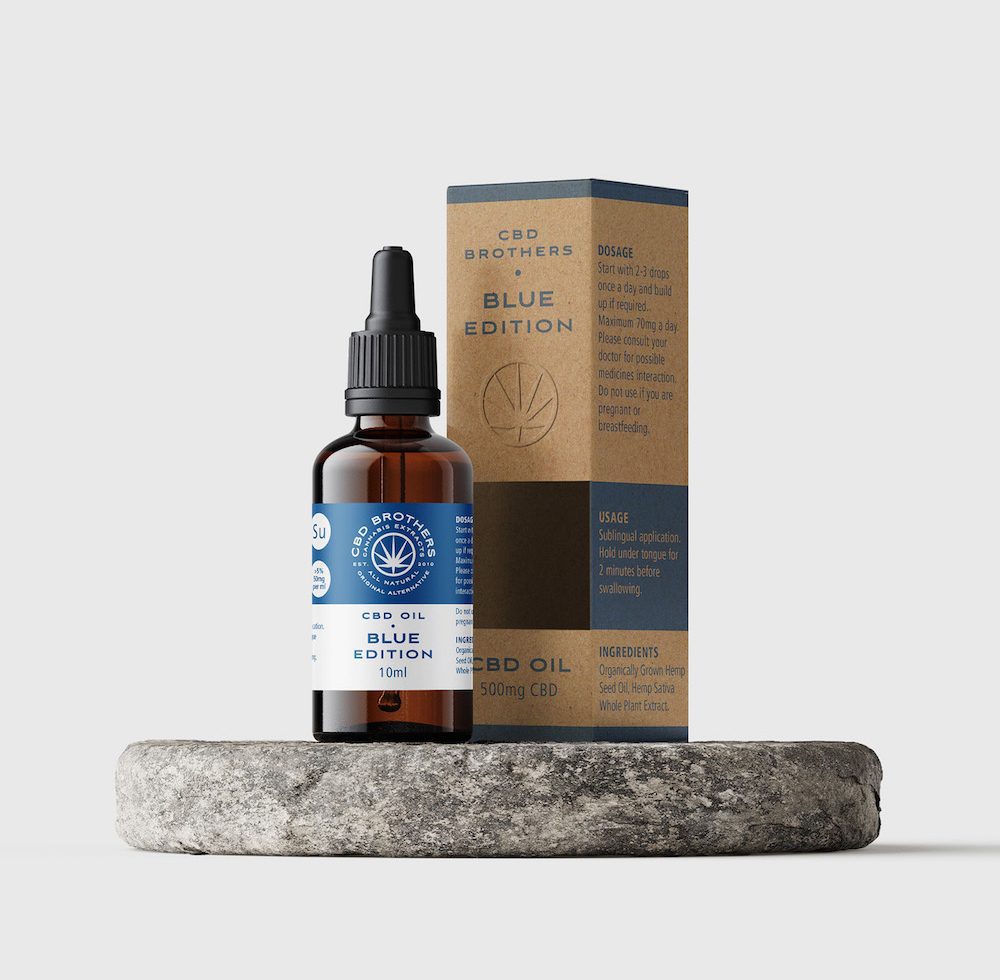
Check whether the product is an oral oil or a cosmetic for external use. Both may arrive in an amber bottle with a pipette, and both may use botanical language. Their appearance does not make them interchangeable. An oral product should provide clear food information and directions; a face or body oil belongs to a different category.
Next, identify the exact product and variant you are considering. A range can contain several concentrations, flavours and extract descriptions. Information for one bottle should not quietly stand in for another. Note the product name, pack size and variant before opening any supporting document.
Read the numbers as a set
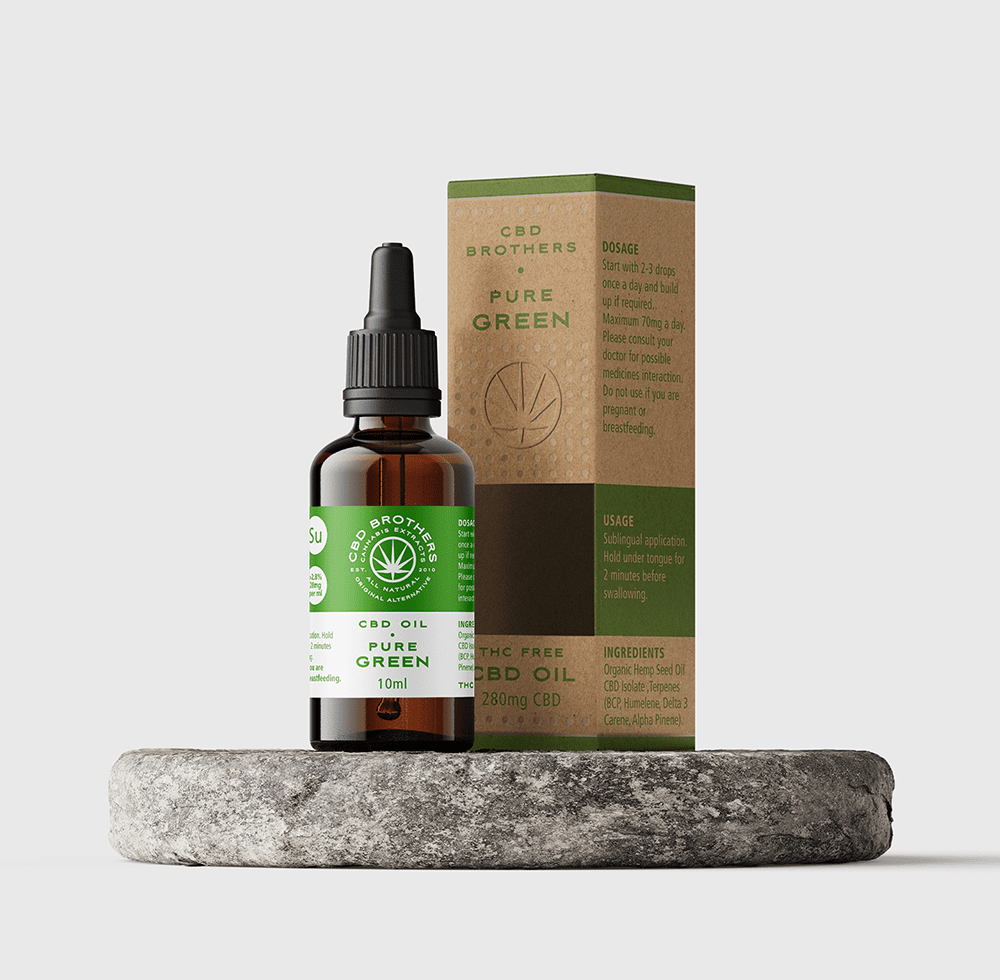
Millilitres describe the volume of liquid. Milligrams describe an amount of CBD. A headline such as 1,000 mg normally needs a qualifier: does it refer to the whole bottle, a serving or something else? If the page does not say, ask. A large printed number is not enough to compare two oils.
Consider two hypothetical bottles, each labelled 1,000 mg CBD. One holds 10 ml and the other 20 ml. Their stated total CBD is the same, but their concentrations are 100 mg/ml and 50 mg/ml respectively. That distinction matters when reading a measured volume. It does not establish which oil is better or how much someone should consume.
Look at the whole recipe
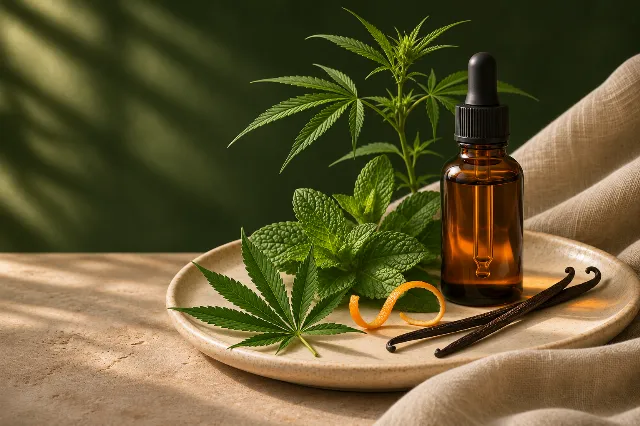
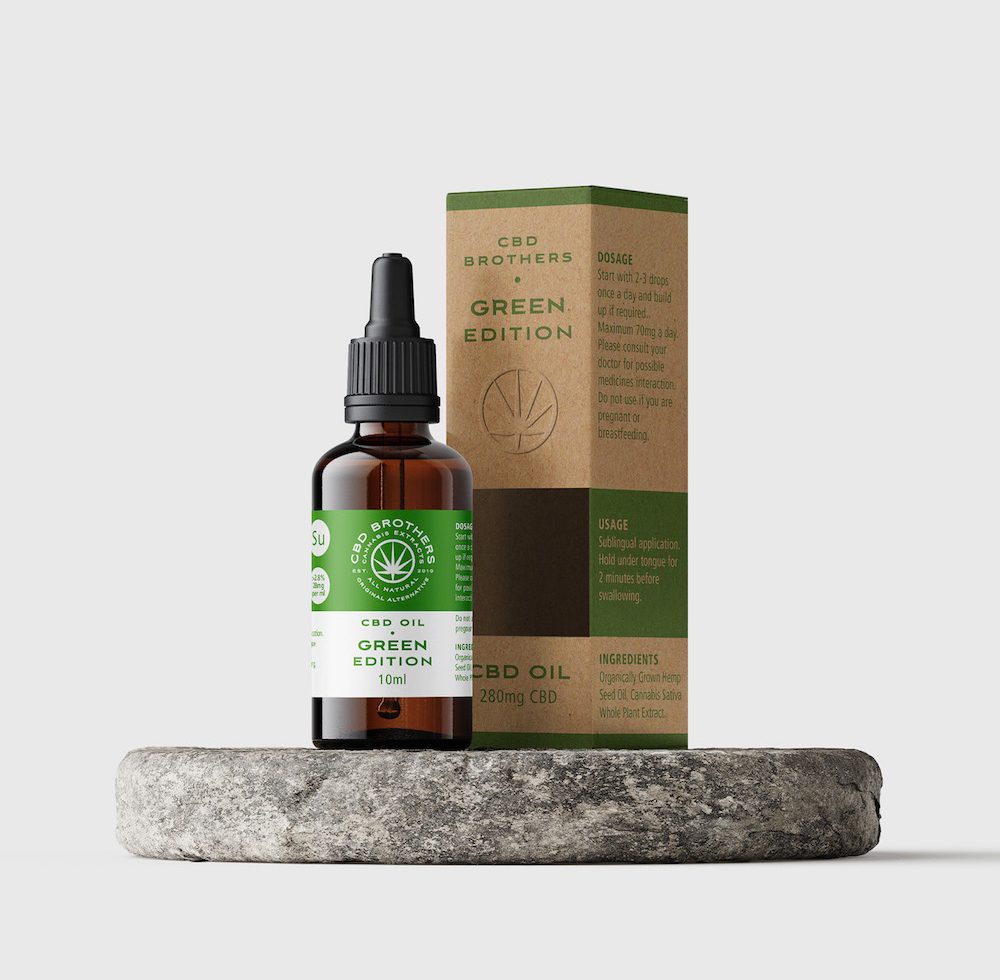
An extract description, a carrier oil and a flavour are separate parts of the information. Broad spectrum is not a flavour; peppermint is not an extract specification. Read the complete ingredients rather than assuming that the name on the front tells you everything. If a dietary requirement matters, look for evidence about the finished product.
Compare recipes on the things you can actually assess: the listed carrier, added flavourings, declared allergens and clarity of the information. A shorter list may suit your preference, but length alone is not proof of quality. Nor does a dark colour, an earthy taste or botanical packaging establish the amount of CBD present.
Connect the bottle to its evidence
A laboratory badge is an invitation to inspect a report, not the end of the enquiry. Look for a product description, batch reference, test date and laboratory identity. Check whether the sample was a finished product or an ingredient. A report for a bulk extract cannot simply be treated as the analysis of every bottle made with it.
Read the regulatory information separately. The FSA’s public list of CBD foods linked to applications is not an approval list. Its business guidance also distinguishes new products from those covered by the existing arrangements. Our UK guide explains why the exact product and destination matter.
Reference: FSA: cannabidiol guidance for businesses (opens in a new tab)
Compare the practical details
Once the basic information is clear, consider the pack itself. Can you read the supplied measuring instructions? Is the dispenser described? Are storage directions available? Check the current price of the exact variant, along with delivery charges and any conditions attached to a promotion.
Save the comparison using the same fields for each bottle. This prevents a low pack price or a prominent strength figure from taking over the decision. If a seller cannot supply a necessary detail, leave that field unanswered rather than filling the gap with an assumption.
- Exact product and variant
- Bottle volume and stated CBD content
- Complete ingredients and directions
- Relevant product records and batch information
- Current pack price and delivery terms
The shop and its own-label range
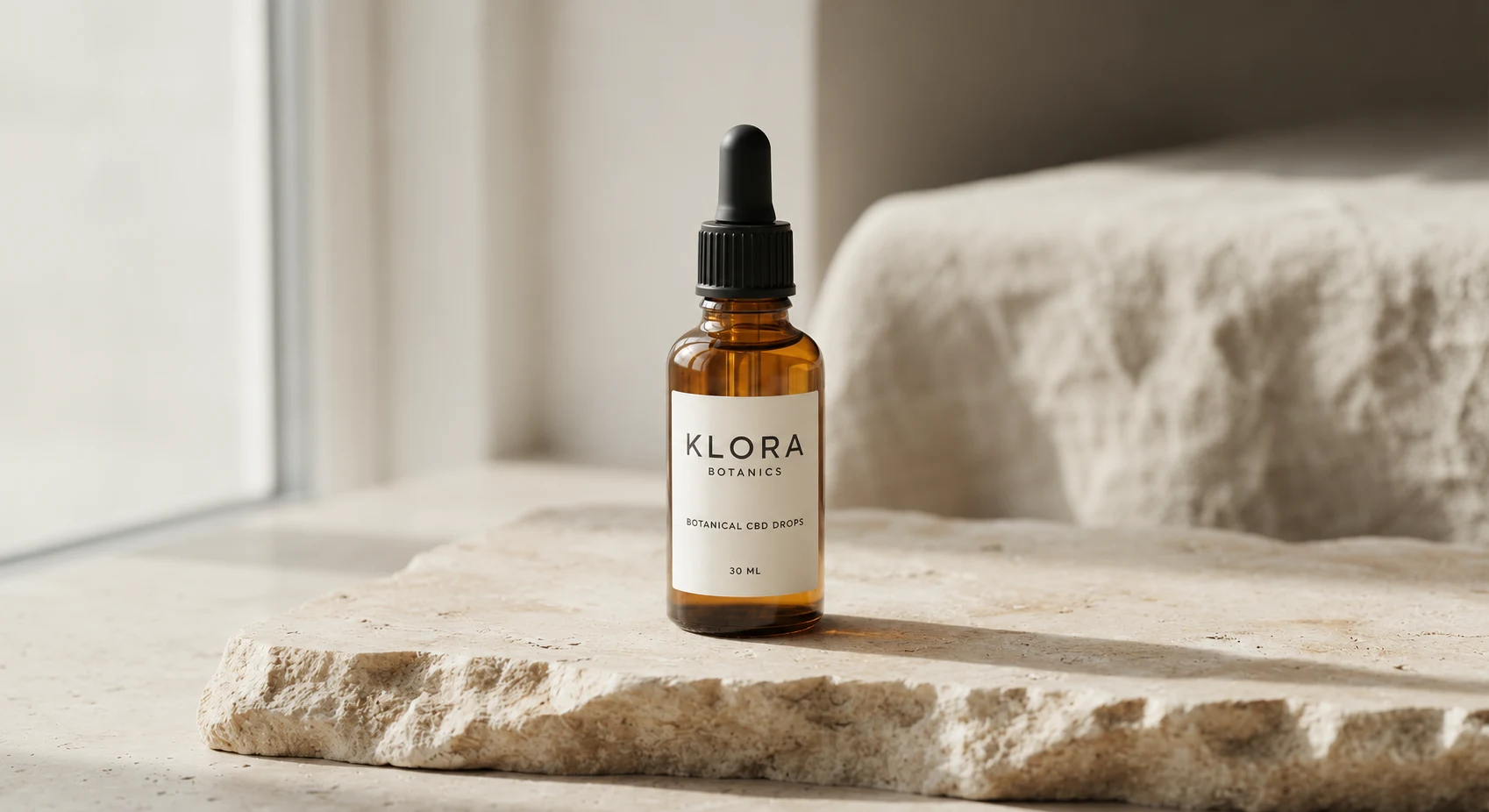
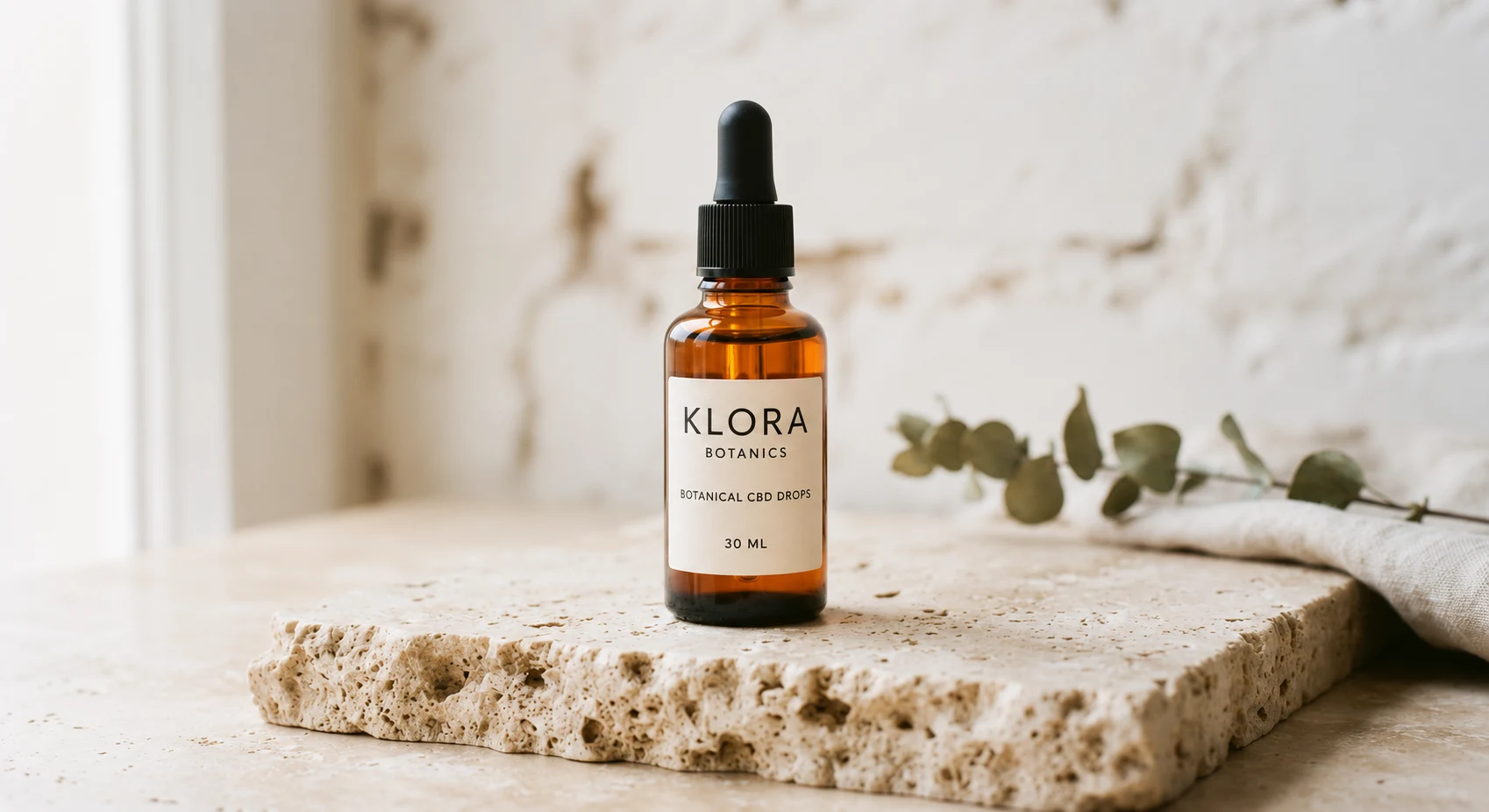
Klora Botanics is a multi-brand CBD shop with an own-label range as part of its selection. The Klora oil concepts are still in preparation; their proposed formats and flavour directions do not establish verified finished stock. Final labels, formulation details and supporting documents will need to be established before a product is available.
Use the collection as a way to understand the intended range, and the journal as a way to prepare your questions. A considered choice can include deciding that the information is not yet sufficient.
Primary references
Read the original guidance
General information, not personalised medical or legal advice. Product and regulatory details can change. Read the exact product label and current source guidance.