Separate flavour, carrier and extract
Think of the product information in three parts. The CBD ingredient describes the cannabidiol or extract used. The carrier is the oil in which that ingredient is formulated. Added flavourings, where present, contribute another part of the recipe. A single word on the front may refer to only one of these.
That distinction helps when two bottles seem similar. Two peppermint oils could use different carriers or extracts. Two unflavoured oils could have different ingredient lists. Compare the full formulation before treating either pair as equivalent, and look for clear explanations where terms such as botanical or natural appear.
Read unflavoured as a description, not a promise
An unflavoured label does not promise that the finished oil will have no taste. The underlying ingredients may contribute their own character. Equally, a flavoured product is not necessarily sweet or mild. A familiar flavour name is a useful starting point for preference, but it cannot tell you exactly how a particular formulation will taste.
Look for a restrained sensory description and treat reviews as personal observations. Someone else’s description of a strong or gentle taste may not match yours. Avoid using taste, smell or colour as a substitute for the stated composition and supporting evidence.
Give the carrier its own line in the comparison
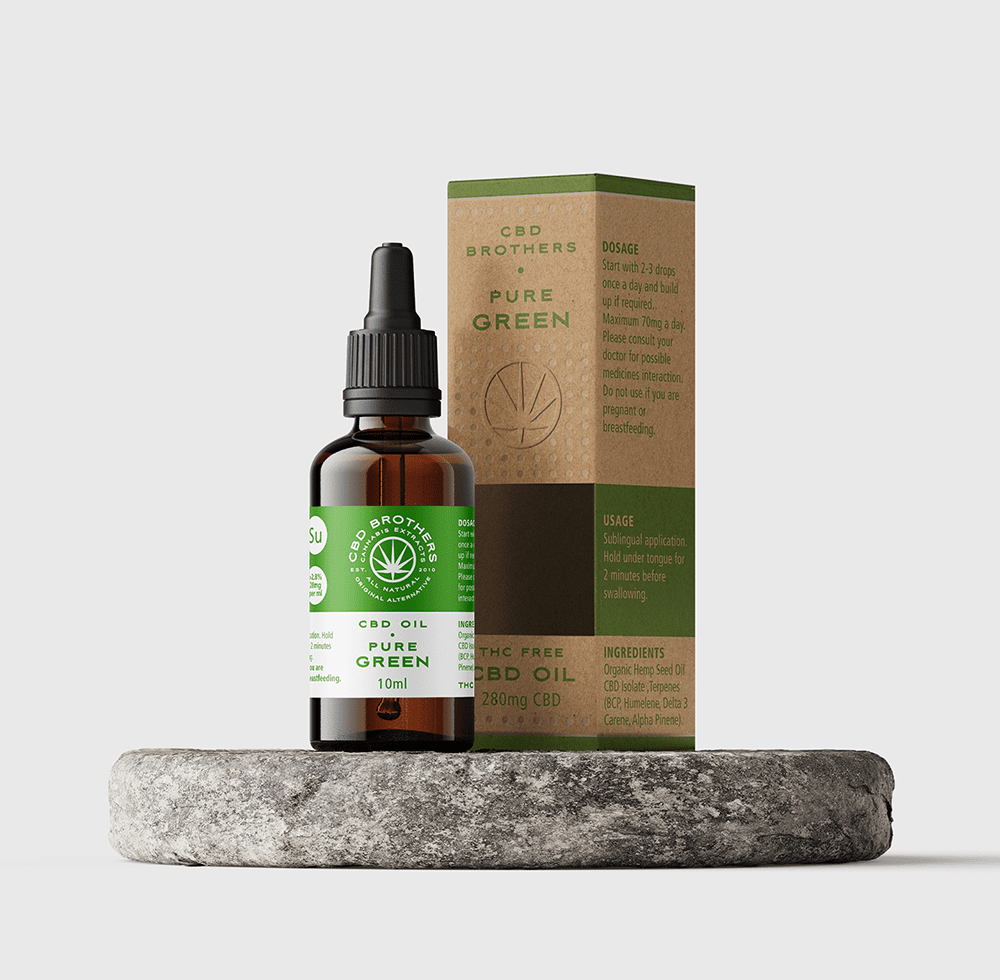
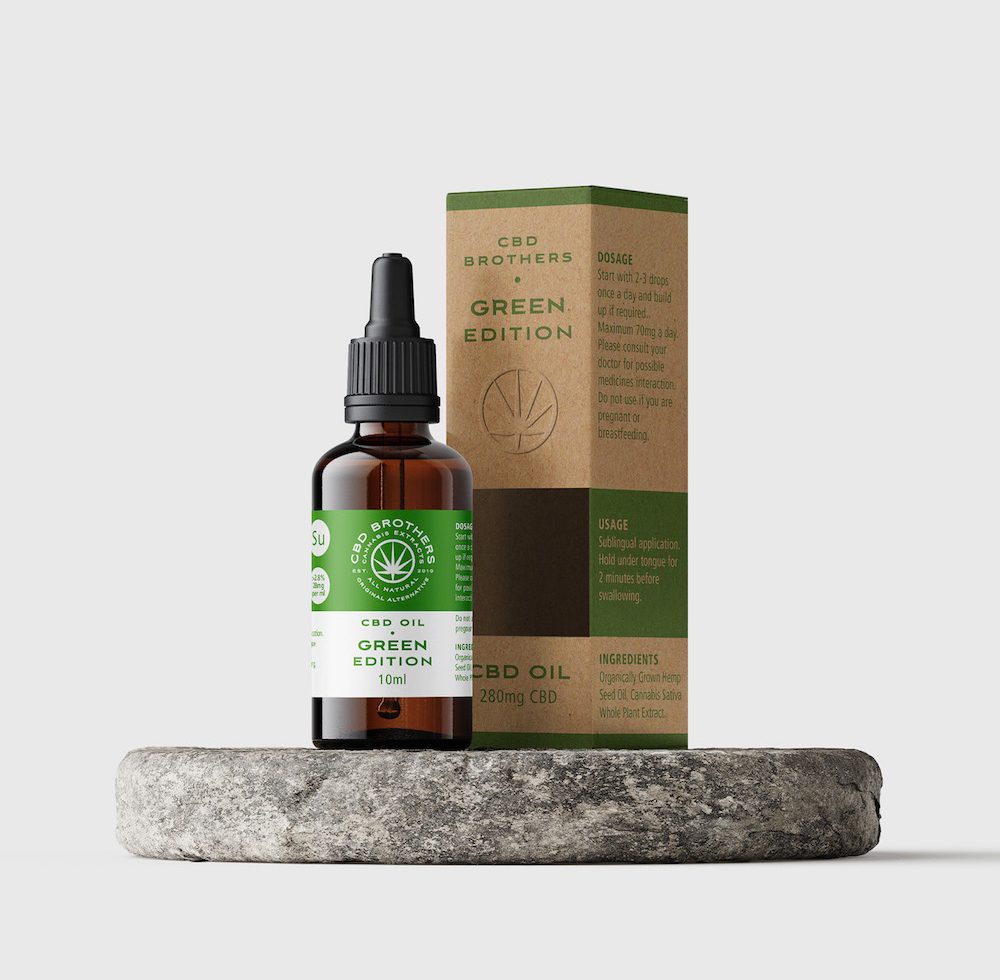
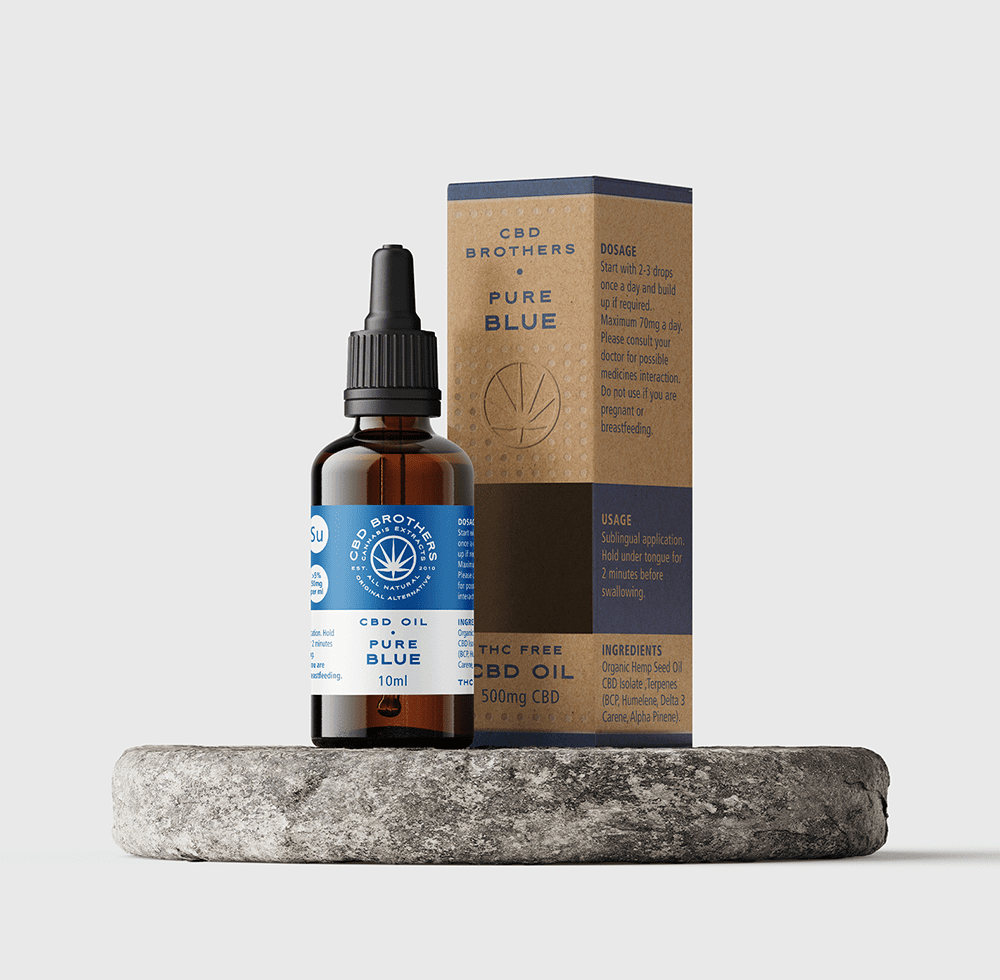
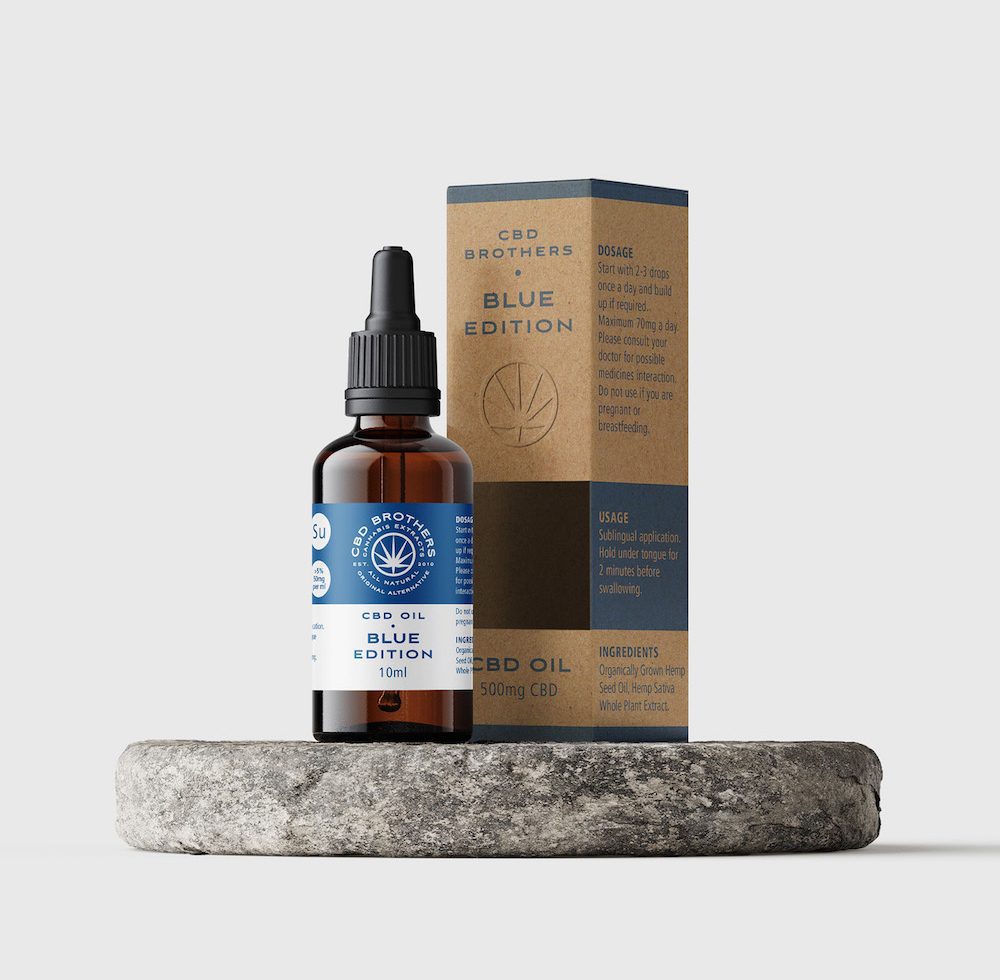
Find the carrier in the ingredients list rather than inferring it from the packaging. You may see MCT oil, hemp seed oil or another named oil. The important first step is knowing what the product actually contains. If the origin or composition of an ingredient matters to you, ask for the relevant specification.
A bottle of hemp seed oil and a CBD oil using hemp seed oil as a carrier are not the same description. The presence of the seed oil does not establish a particular CBD content. Look for a separately stated CBD amount and the information that supports it, rather than relying on a hemp leaf or a product name.
Reference: FSA: cannabidiol guidance for businesses (opens in a new tab)
Check dietary needs on the finished product
Read all ingredients, including flavourings and any additional components. A plant-associated name is not enough to verify the dietary status of the entire formula. If you have an allergy, review the declared allergens and any relevant precautionary information; do not use a taste description as a shortcut.
GOV.UK guidance explains that specified allergens used as ingredients in prepacked foods must be highlighted in the ingredients list. Where an online description is incomplete or differs from the packaging, resolve the discrepancy before choosing. Keep the exact variant in view: a flavour change may also be a recipe change.
Compare like-for-like bottles
Before choosing between flavours, hold the other variables steady where possible. Record bottle volume, total CBD and concentration, then compare the ingredients and pack price. Otherwise, a discussion about taste can conceal a difference in quantity or a different product specification.
A flavour does not establish a health advantage. Neither a botanical addition nor a terpene-led description should be read as evidence that an oil improves sleep, focus or another outcome. If a claim is the main reason a bottle appeals to you, look closely at what evidence and permitted wording actually support it.
Reference: ASA: CBD health, nutrition and disease treatment claims (opens in a new tab)
Choose a preference without filling in the gaps
Klora’s proposed own-label oil range includes unflavoured and flavour-led directions, including peppermint, vanilla and citrus. These are development concepts. Final recipes and sensory descriptions will need to match the finished products; the collection does not yet establish verified taste, dietary status or analytical results.
A useful shortlist can be simple: the flavour direction you prefer, an ingredient list you understand and the documents you still need to see. If oil itself does not appeal, a format comparison may help you ask different questions. Changing format changes practical details, rather than supplying a guaranteed answer about effects.
Primary references
Read the original guidance
General information, not personalised medical or legal advice. Product and regulatory details can change. Read the exact product label and current source guidance.