Start with comparable information
Write down the exact products before comparing the formats. For a gummy, find the piece count, total CBD and stated CBD per piece. For an oil, find bottle volume, total CBD and concentration. Keep each product’s labelled serving instructions alongside those figures.
A jar and a bottle can contain the same stated total CBD while presenting it very differently. That does not make their recipes, use instructions or evidence equivalent. Nor does a higher total automatically make either one a better choice. The quantity is one field in the comparison, rather than a verdict.
Compare a fixed piece with a measured liquid
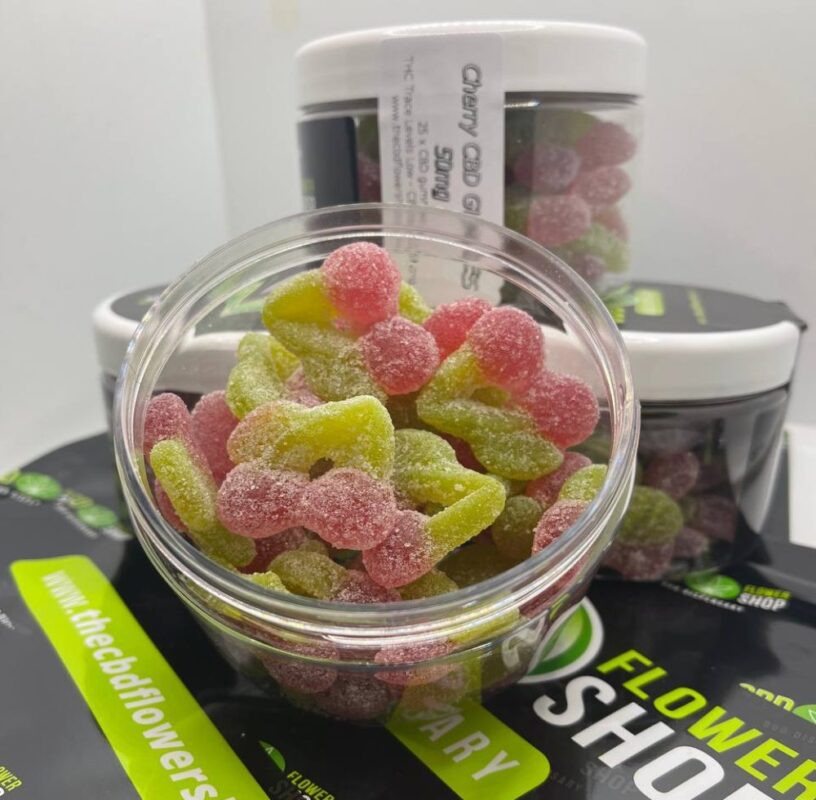
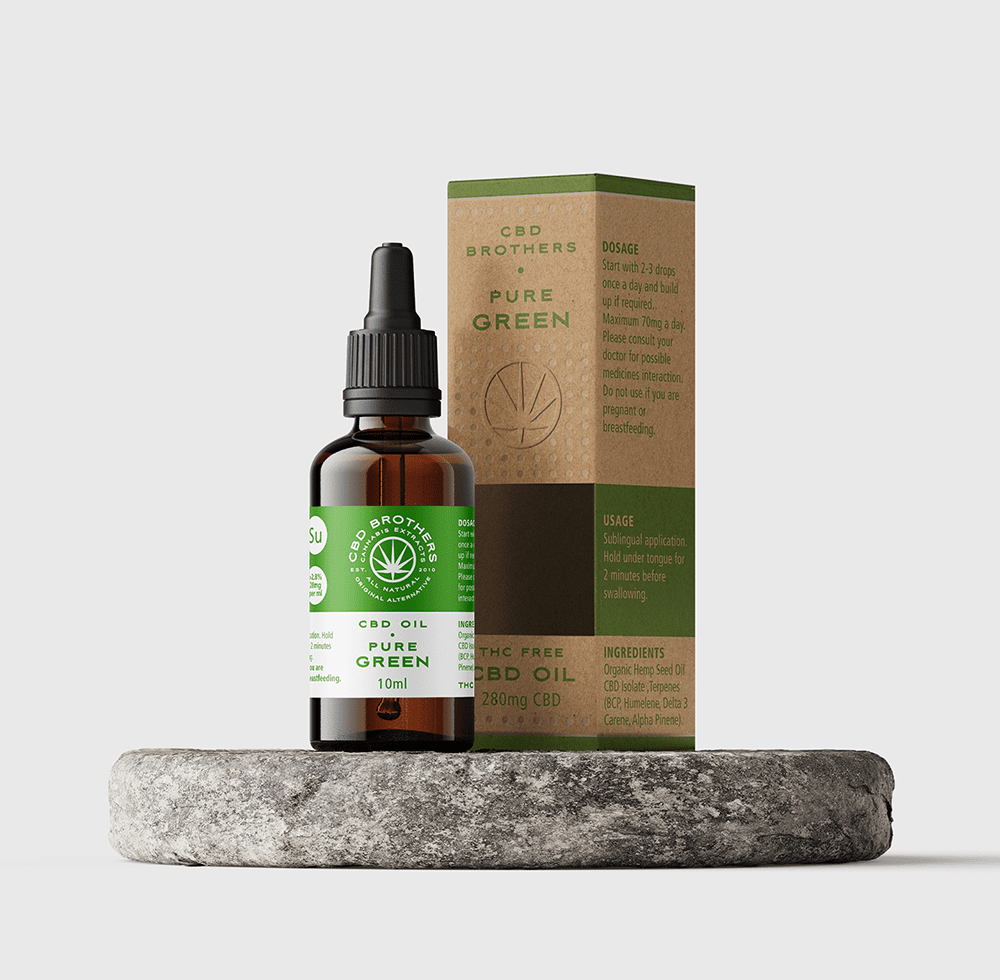
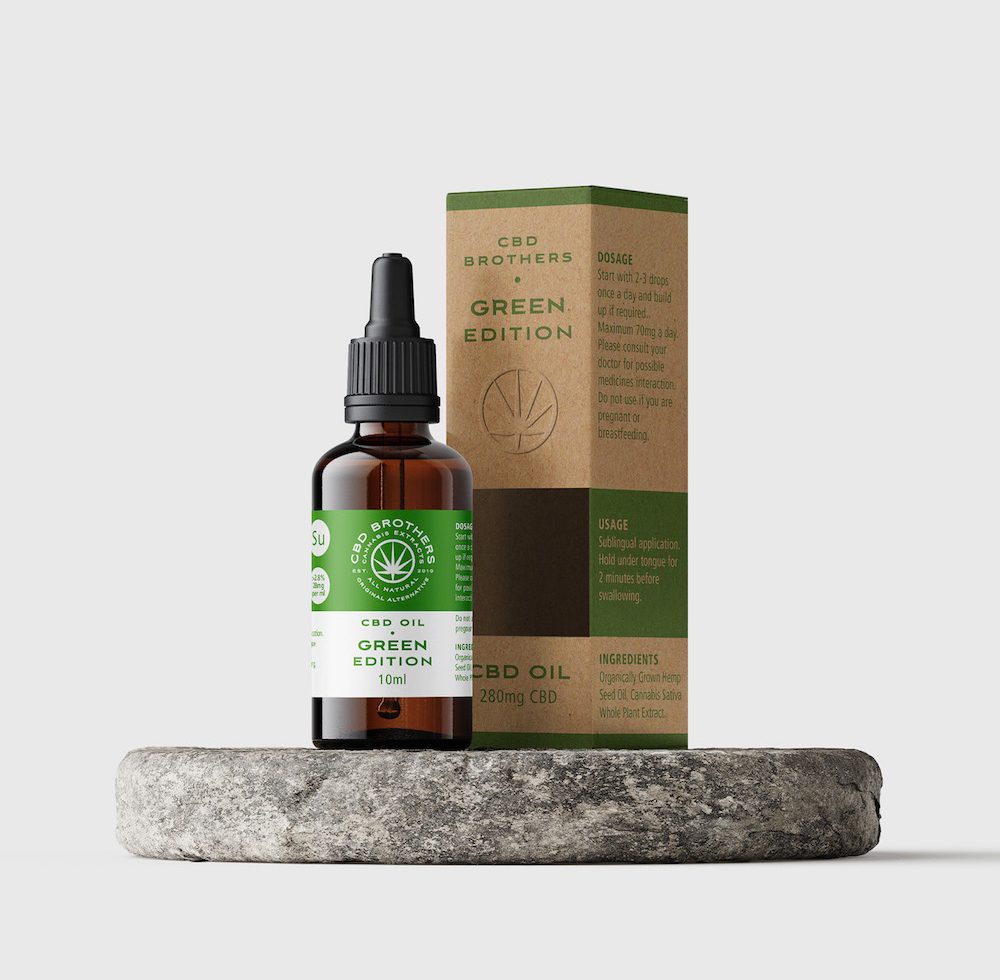
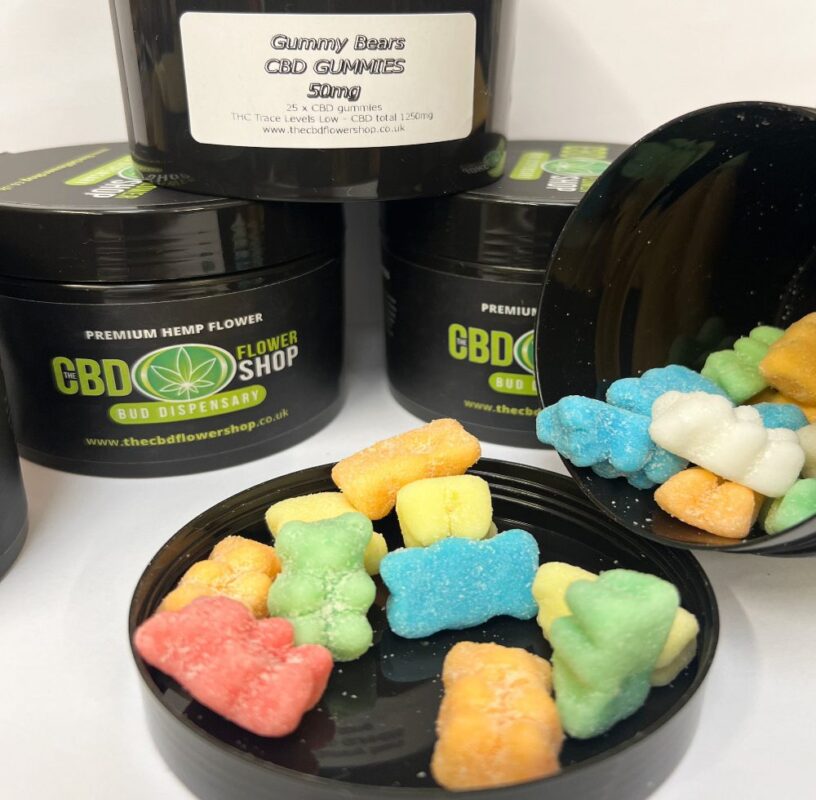
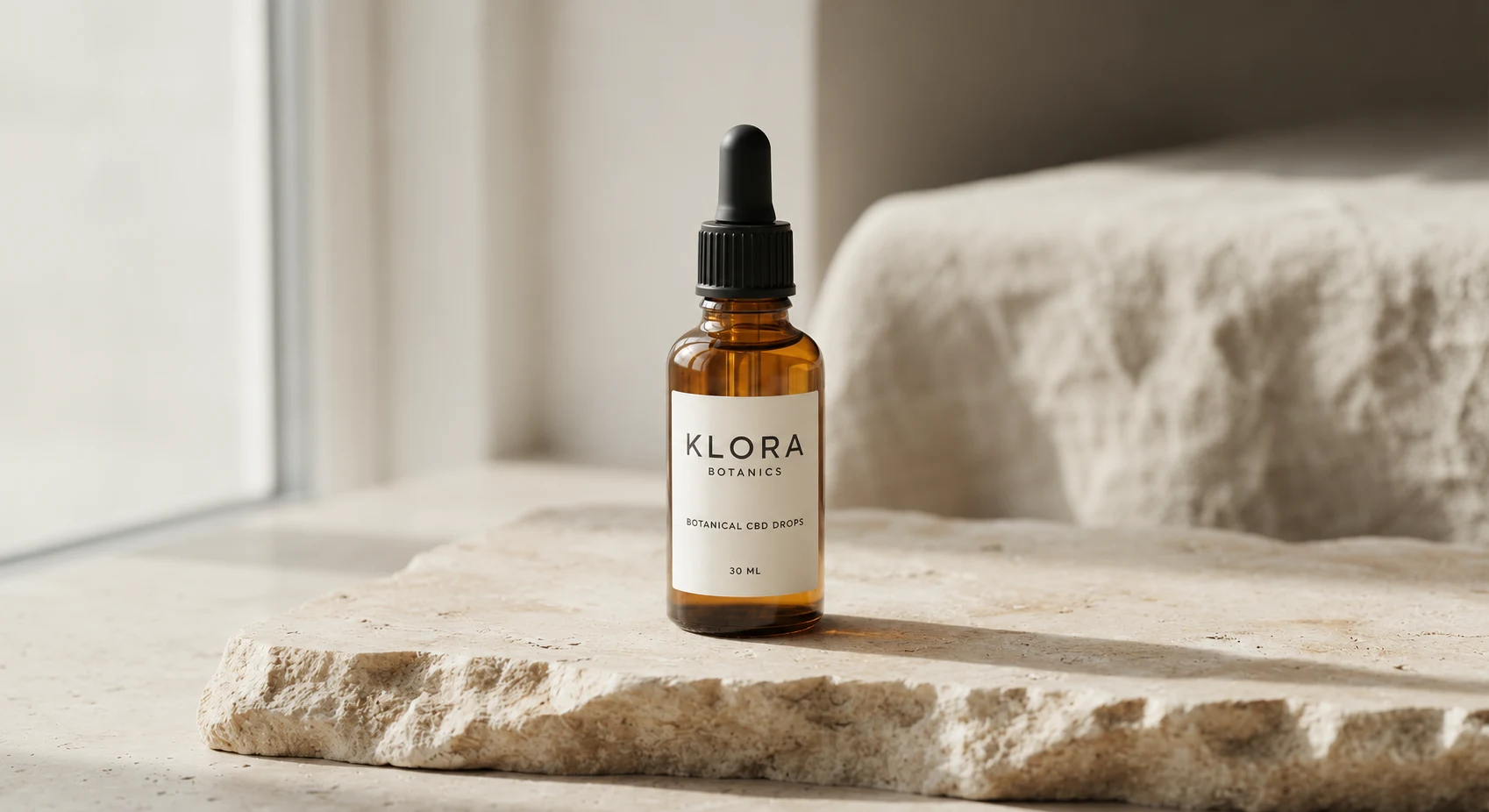
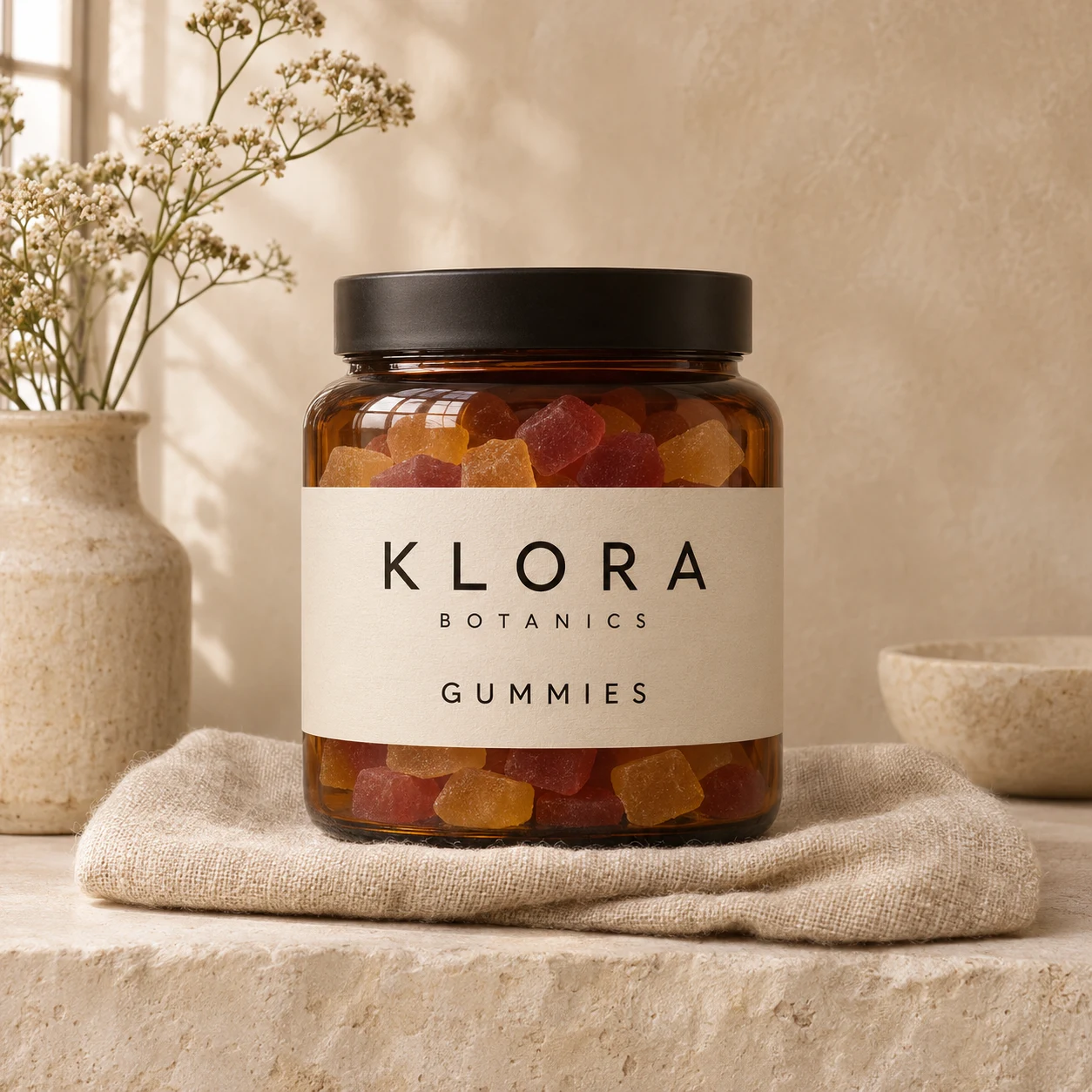
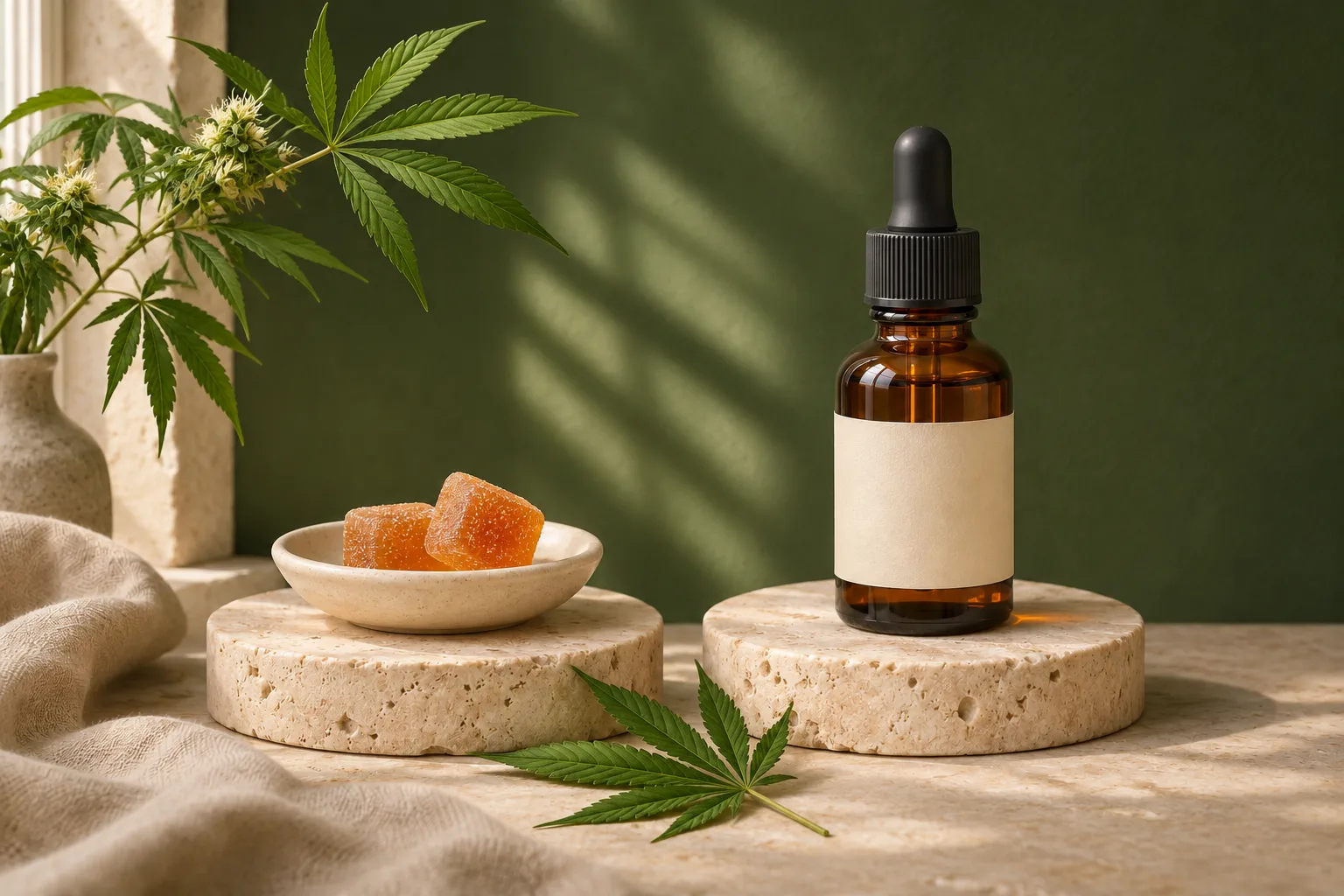
A gummy is supplied as a discrete piece with a stated amount. An oil is a liquid whose amount must be understood through its concentration and the supplied measuring instructions. Think about which information you find easier to read and which handling steps you are comfortable with.
Do not assume cutting a gummy produces a precisely verified fraction of its labelled CBD. Equally, do not assume every pipette dispenses the same-sized drop. Both shortcuts can make a comparison look more exact than the available evidence allows. Use the manufacturer’s information for the finished product rather than improvising a measurement system.
Let ingredients guide the taste comparison
Gummies may appeal to someone who prefers a fruit-led recipe, while oils offer another set of flavour and carrier choices. Neither category has a single taste. Read the particular recipe rather than assuming every gummy is sweet in the same way or every oil has a strong botanical character.
The ingredient questions differ too. For gummies, look at setting agents, sweetening ingredients and any coatings. For oils, identify the carrier and added flavourings. In both cases, check the complete list and any dietary statements that matter to you. A convenient format is only useful if the product itself meets your requirements.
Consider handling and storage
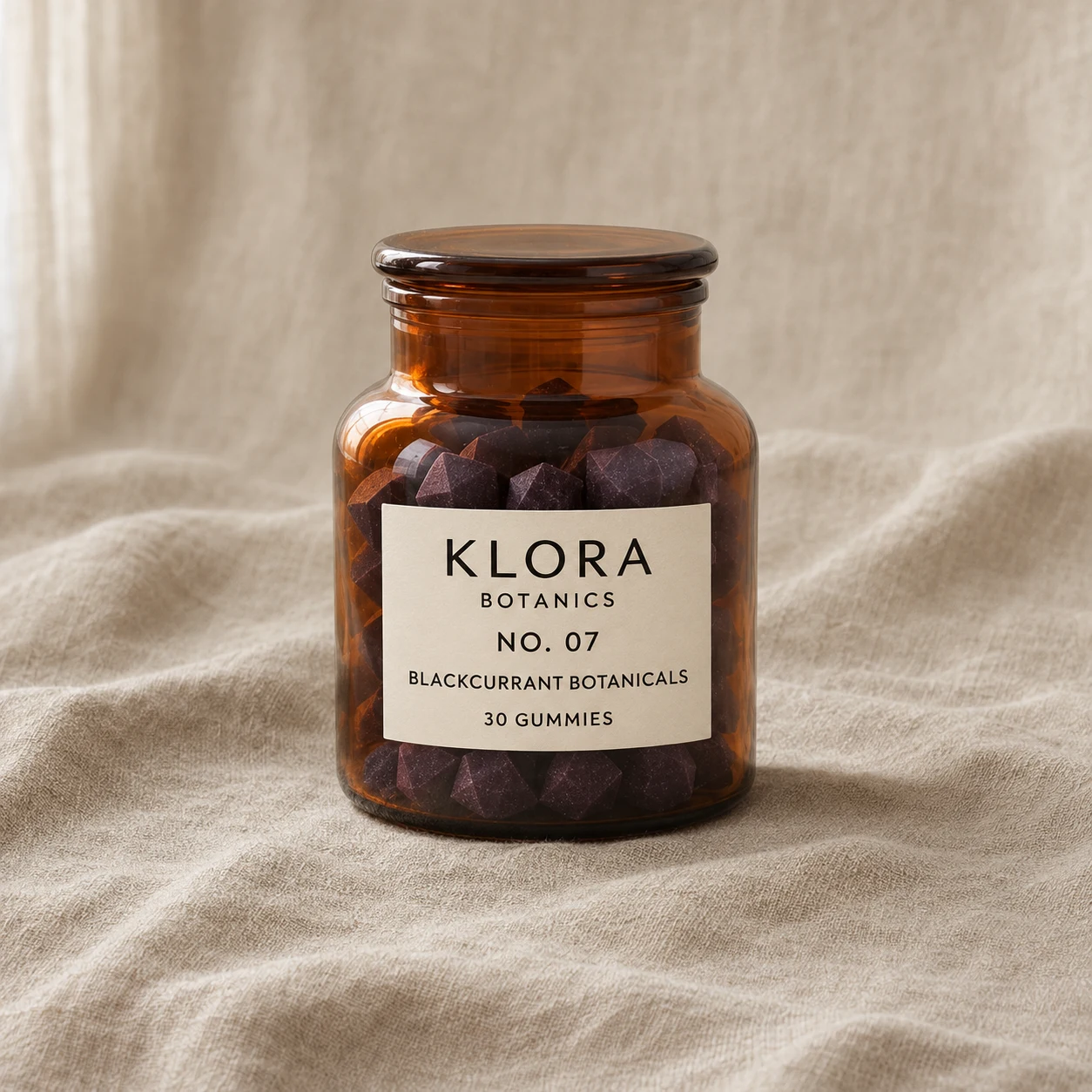
Look at the actual container, not just the category photograph. Can you read the label easily? Does it close securely? Are storage instructions clear? A jar and a dropper bottle may have different practical advantages for you, but the supplied packaging and directions should guide the decision.
Keep either product in its original labelled container. Moving gummies into a general sweet tin or oil into an unmarked bottle removes useful identity, batch and use information. If you plan to carry a product, consider the closure and the stated storage conditions rather than treating portability as a universal feature of the format.
Compare price without inventing equivalence
Use current prices for the exact packs. As an arithmetic example only, a hypothetical £15 jar with 150 mg stated CBD costs 10p per stated milligram. A hypothetical £30 bottle with 500 mg costs 6p per stated milligram. This measures price against a label quantity; it does not establish equivalent servings, effectiveness, suitability or quality.
Add delivery and check whether either price depends on a promotion or subscription. Then consider the full comparison again, including ingredients, directions and supporting records. A lower numerical ratio can be useful information without being the deciding factor.
Know what the format cannot answer
The choice between a gummy and an oil does not, by itself, establish how an individual will respond. Avoid treating a simple chart of guaranteed onset times or durations as a universal property of the format. Consumer suitability and current guidance also need their own consideration; our UK guide is the place to begin.
The oils and gummies in Klora’s own-label range are proposed collections awaiting final product details and verification. You can use their formats to explore preferences, while keeping the decision open until the finished labels and records are available. The aim is a comparison you can explain in practical terms, with any unanswered questions still visible.
Primary references
Read the original guidance
General information, not personalised medical or legal advice. Product and regulatory details can change. Read the exact product label and current source guidance.