Find what gives the gummy its structure
A gummy needs a formulation that gives it its shape and texture. Pectin and gelatine are two setting agents you may encounter; they are different ingredients, not interchangeable labels. Pectin is plant-derived, while gelatine is animal-derived. Other recipes may use different agents or combinations, so check the actual list.
The setting agent can help you ask the next question, but it cannot answer every dietary question by itself. A pectin gummy still contains a wider recipe. Read coatings, glazing agents, flavourings and other additions rather than stopping at the first ingredient that matches your preference.
Reference: EFSA: pectin and amidated pectin (opens in a new tab) · EFSA: gelatine and collagen (opens in a new tab)
Assess the whole vegan claim
Look for a clear statement about the finished product, supported by information from the manufacturer. Do not infer vegan status simply because CBD comes from a plant or the setting agent is pectin. Where a certification mark is shown, check what it refers to and whether it applies to the exact product.
Vegan and allergen-free are also different ideas. GOV.UK explains that food labelled vegan can still be affected by cross-contamination with allergens such as milk or egg. Someone choosing for an allergy needs the relevant allergen information as well as any vegan statement; one does not replace the other.
Reference: GOV.UK: vegan food labelling (opens in a new tab)
Read sugar claims precisely
Sugar-free and no added sugar should not be treated as two ways of saying the same thing. The first concerns a defined low level of sugars in the finished food. The second concerns the ingredients added to the recipe, under its own conditions. Read the nutrition information and ingredient list alongside either statement.
The ASA explains that a no-added-sugars claim is not compatible with adding a food for its sweetening properties simply because that ingredient sounds more natural. Fruit concentrates can therefore require scrutiny. For a buyer, the useful habit is to check the recipe rather than assuming that the absence of table sugar settles the question.
Reference: ASA: understanding sugar claims (opens in a new tab) · Nutrition claims and their conditions of use (opens in a new tab)
Keep allergens in a separate check
On prepacked food, the specified allergens used as ingredients must be made clear within the ingredients list. Read any additional precautionary statements too. A flavour name, a plant-based claim or the colour of the gummy cannot provide that information.
If the product page is missing ingredients or shows a different recipe from a photograph, resolve the difference before choosing. Formulas can change, so do not rely entirely on a previous jar. Keep the current packaging after purchase and refer to the label for the actual variant rather than a general page for the range.
Distinguish botanical ingredients from promises
A botanical name may describe an ingredient or flavour direction. It does not establish that a gummy will improve sleep, concentration, mood or another outcome. The same applies to reassuring words around a product: the impression they create still needs to be distinguished from what the label actually documents.
For comparison, ask whether the botanical is identified in the ingredients, whether any stated quantity is clear and whether the product information explains its role. There is no need to rank a longer or more unusual ingredient list above a simpler one. Your preference can be based on a recipe you understand, without adding a health story to it.
Build a recipe comparison that stays useful
Use the same headings for each jar: setting agent, dietary statement, ingredients, nutrition information, allergens and flavour. Then add CBD per piece as a separate field. This keeps the recipe comparison visible instead of allowing the largest CBD number to dominate.
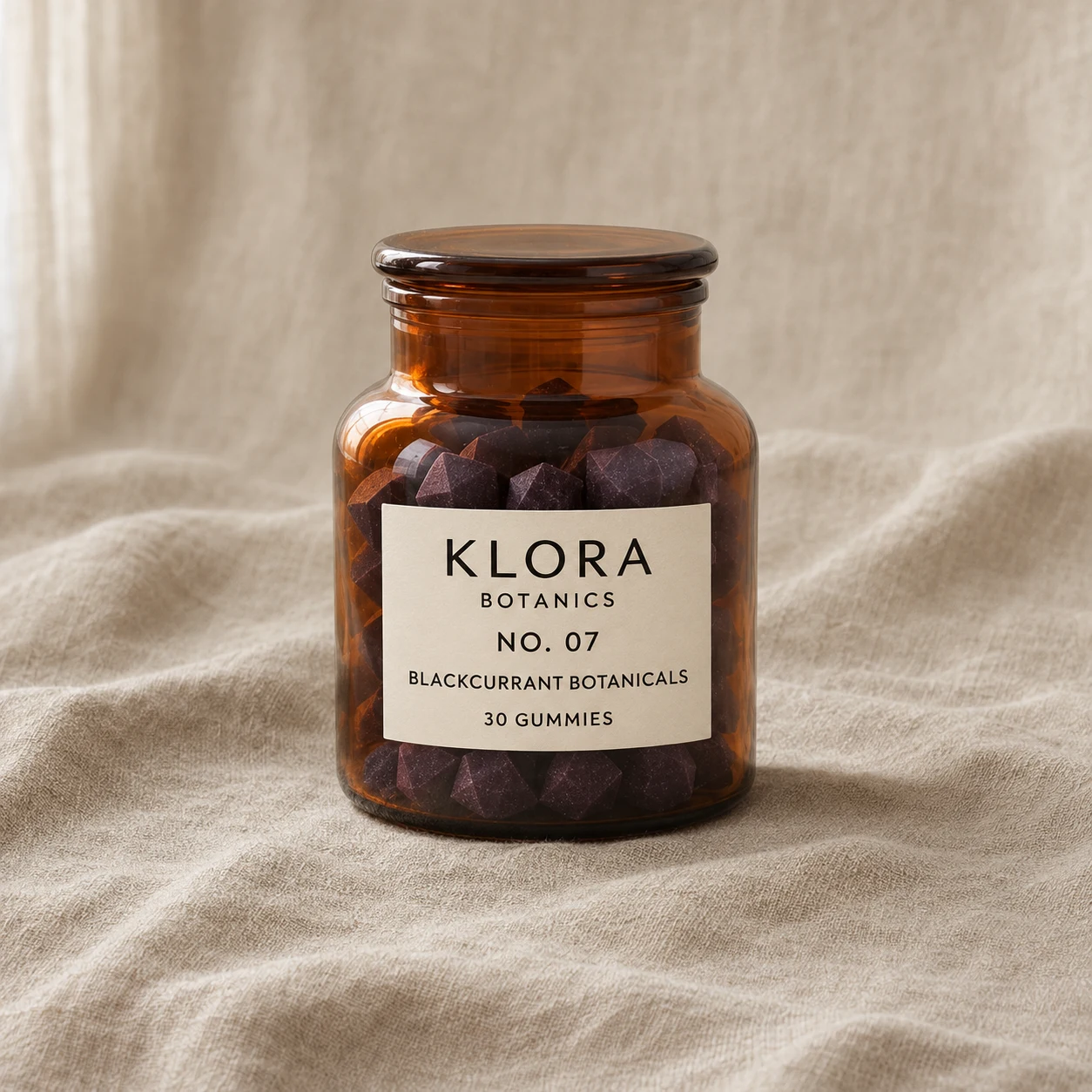
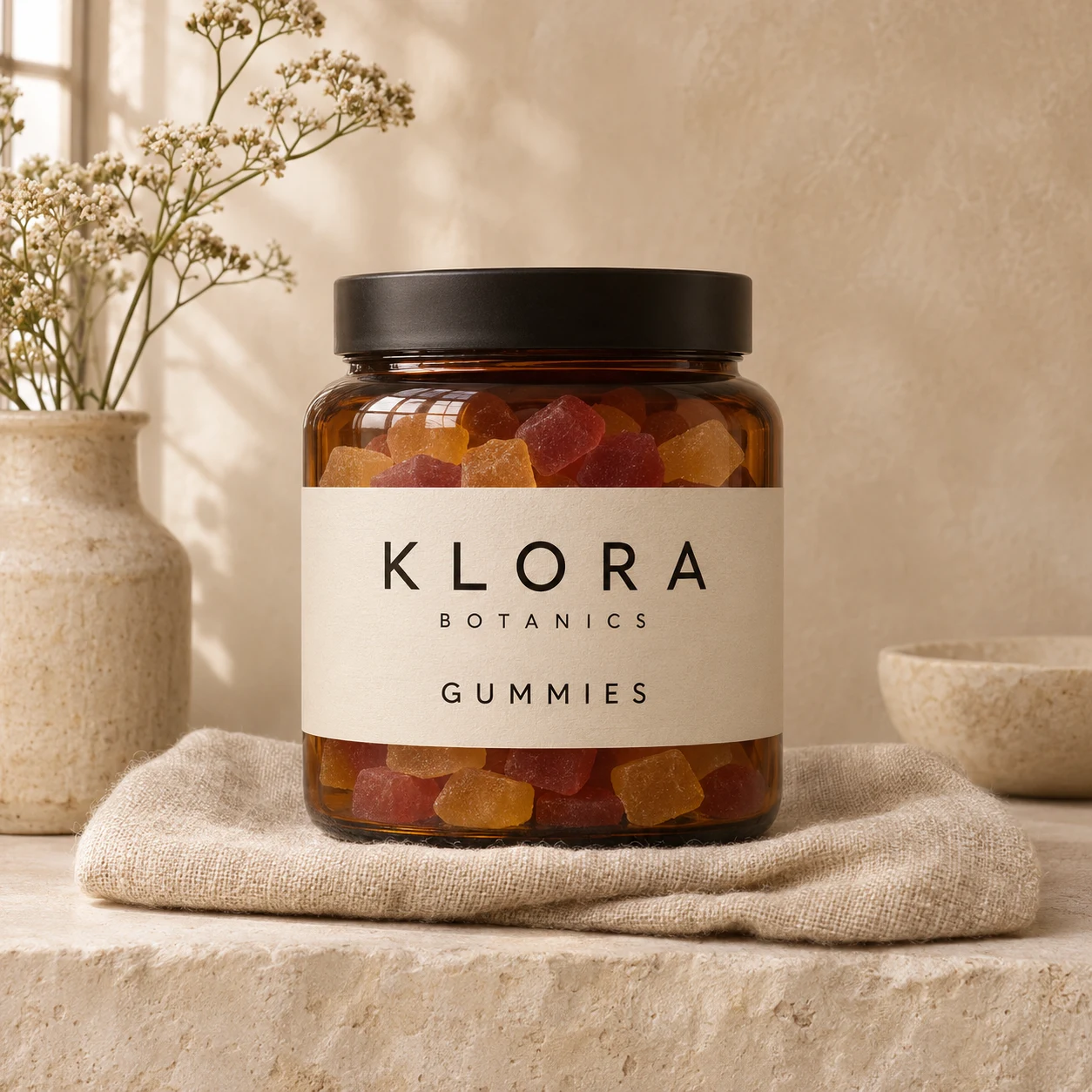
Klora’s own-label gummy concepts include pectin-based and fruit-led directions. Their development names do not certify the final products as vegan, sugar-free or suitable for an allergy. Those statements require completed formulations and evidence. Until those details are ready, the collection is a preview of the intended range.
- Check the exact flavour and recipe version.
- Read nutrition statements together with the ingredients.
- Treat dietary suitability and allergen information separately.
- Leave unanswered questions open until the supplier can resolve them.
Primary references
Read the original guidance
General information, not personalised medical or legal advice. Product and regulatory details can change. Read the exact product label and current source guidance.