Begin with what the shell description actually says
Hard capsules and softgels describe different physical formats. They do not, on their own, tell you the source of every ingredient. Look for the shell material in the full ingredient list and ask for clarification when a term such as plant-based applies only to one part of the product.
If avoiding animal-derived ingredients matters to you, assess the complete finished recipe. A plant-derived shell does not confirm the filling, additives or processing information. Equally, the word softgel is not enough to decide the source of a shell. A specific, supported statement about the whole product is more useful than a category assumption.
Give the filling equal attention
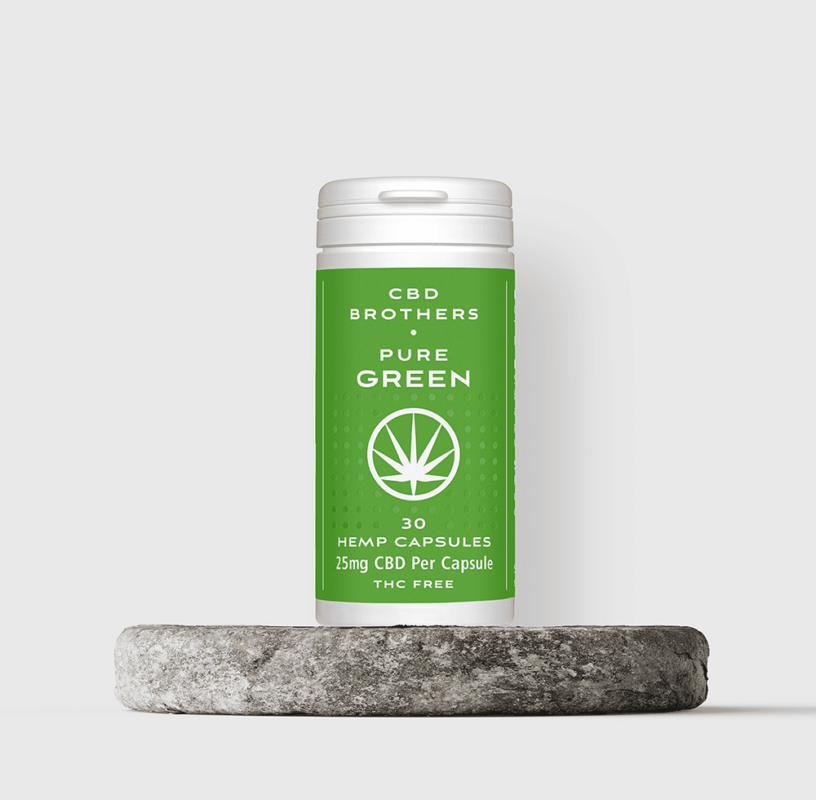
Find the CBD ingredient and any carrier oil or other filling ingredients. Then compare the CBD amount per capsule with the amount stated per serving. The weight of the entire capsule, its shell and its carrier should not be mistaken for the CBD quantity.
If a product page mentions an oil but does not identify it clearly, leave that question open. A short ingredient list is easier to scan, but shortness alone is not a quality test. What matters is whether the listed components, quantities and directions explain the product you are considering.
Read botanicals as ingredients, not answers
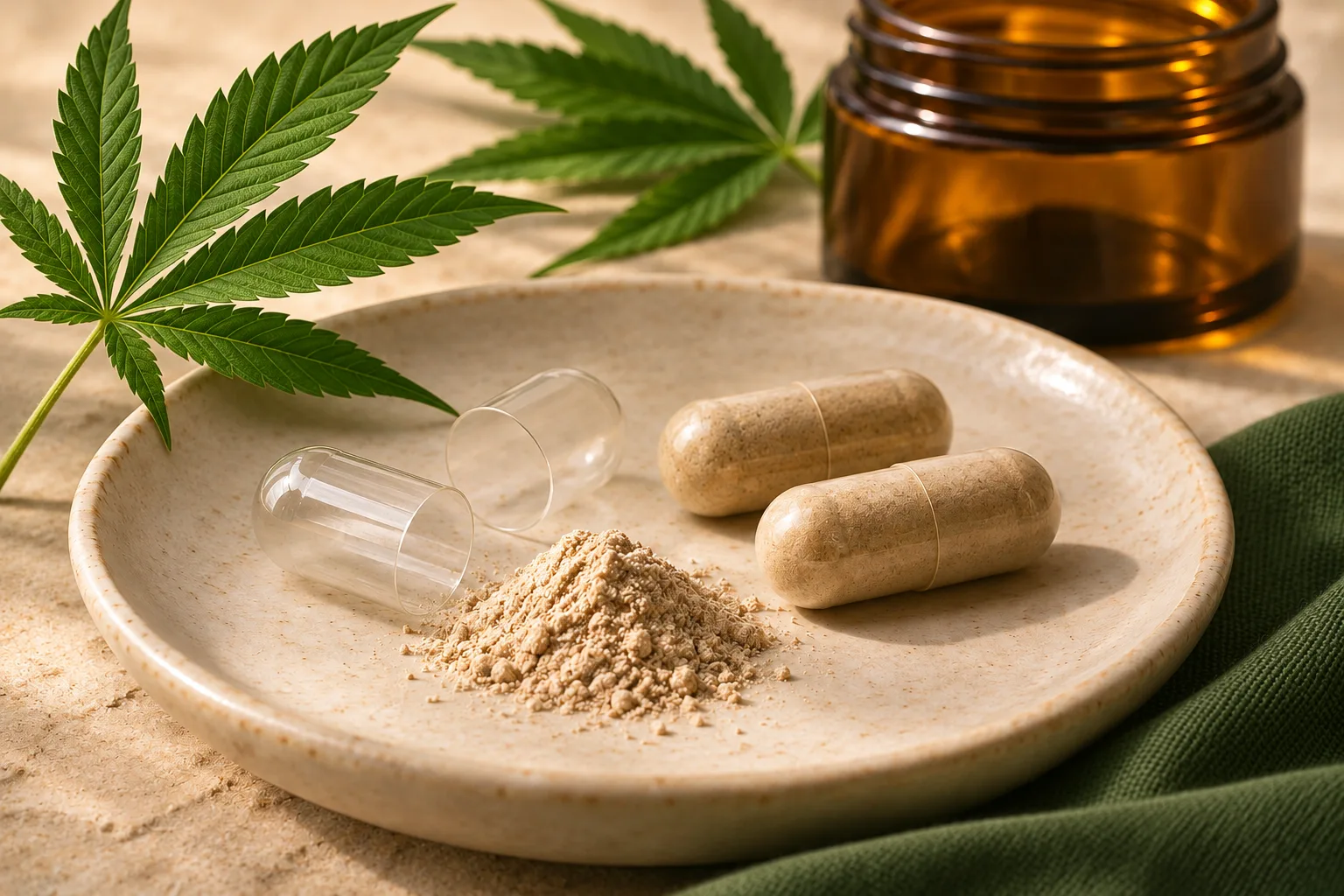
A botanical name can make a label feel familiar while leaving the details unresolved. Ask which ingredient is used, its stated form and its quantity. Where the product description makes a more specific claim about an extract, the supporting specification should explain it. A picture of the original plant does not provide that information.
Klora’s proposed own-label combinations include lion’s mane with rhodiola and a separate reishi, vitamin C and zinc concept. These are formulation directions, with quantities still pending. They should not be read as recommendations for focus, immunity or any particular outcome. Choose only after the whole recipe can be assessed on its own terms.
Keep vitamins and minerals separate from CBD
If a capsule includes magnesium, vitamin C or zinc, look for the amount and the way it is described on the label. Do not assume that the front-of-pack CBD figure covers those ingredients too. A quantity per capsule and a quantity per suggested serving need the same careful distinction here.
An authorised claim about a vitamin or mineral cannot simply be reassigned to CBD or the whole product. The conditions attached to that claim still matter. For comparison, it is clearer to record the named ingredient and its declared amount than to turn a collection of ingredients into a broad promise of wellbeing.
Reference: ASA guidance on CBD health and nutrition claims (opens in a new tab)
Dietary preferences and allergies are different checks
A vegan label does not guarantee that a product is free from a particular allergen. Read the ingredient list alongside any precautionary allergen statement. If a relevant detail is missing, ask the seller rather than interpreting silence as confirmation.
This matters when a product is chosen for somebody else as well. Knowing that they prefer plant-derived ingredients does not tell you everything they need to avoid. Keep the original packaging and ingredient information with the product, and do not replace the full label with a simplified gift description.
Reference: Government guidance on vegan food labelling (opens in a new tab)
Finish with the information still missing
Make a short note of unanswered questions before comparing prices. A capsule described as a complex may contain more ingredients, but it can also require more checking. Simplicity can be a useful preference when it makes the product easier for you to understand; it is not a promise of superior effects.
The capsule pages distinguish the proposed specifications of Klora’s own-label concepts from confirmed records. Where quantities, allergens or final ingredients remain pending, those details need confirmation before a purchase decision. Our suitability and UK guidance is the next stop if your questions concern whether CBD is appropriate for you or the product’s route to market.
- Is the shell material stated?
- Is the full filling described?
- Are additional ingredient quantities supplied?
- Does any dietary claim cover the finished product?
- Can I find the relevant product and batch records?
Primary references
Read the original guidance
General information, not personalised medical or legal advice. Product and regulatory details can change. Read the exact product label and current source guidance.