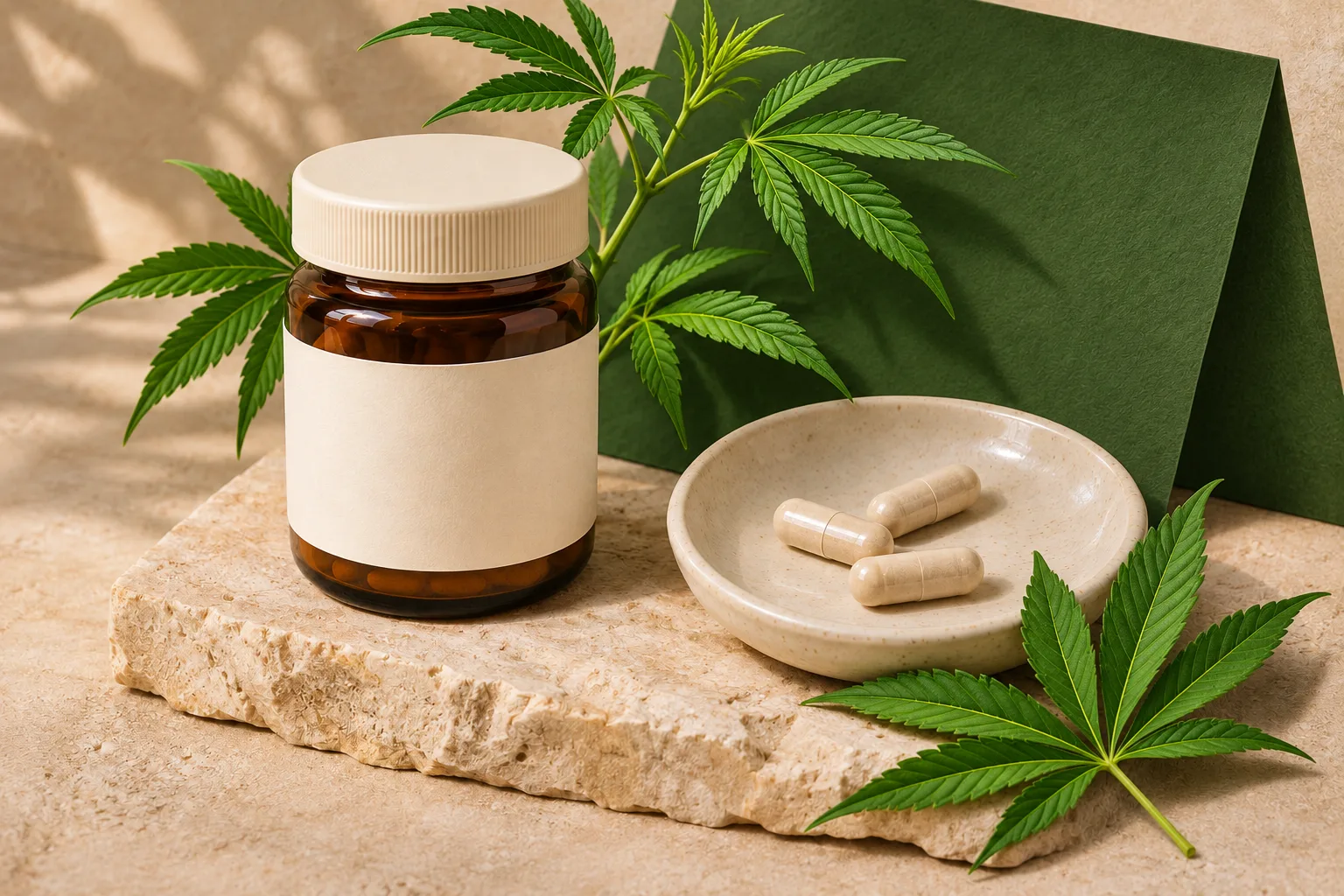
Separate one capsule from the whole pack
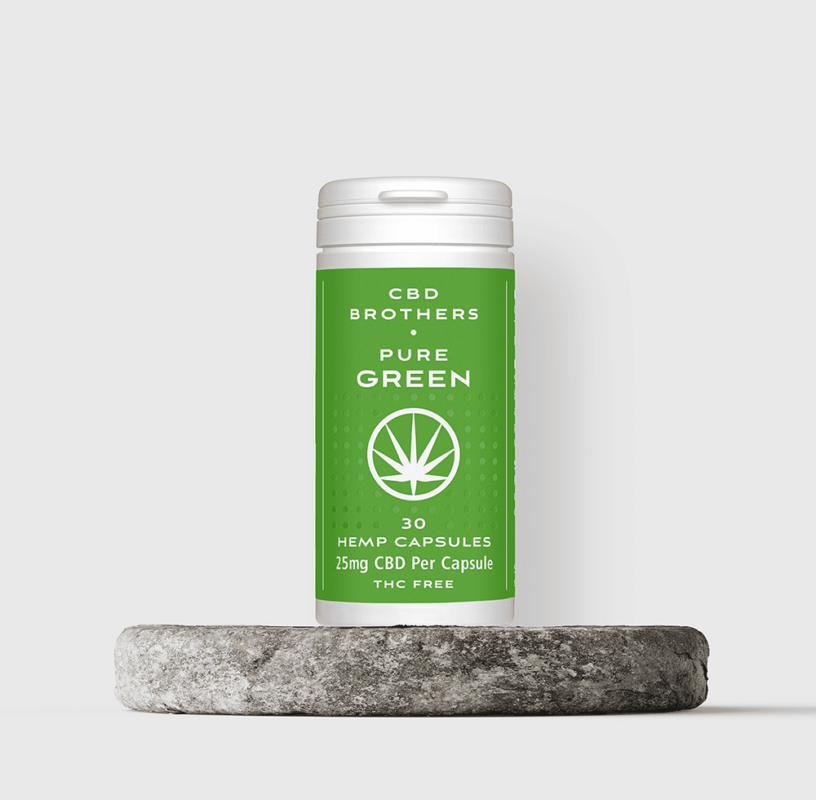
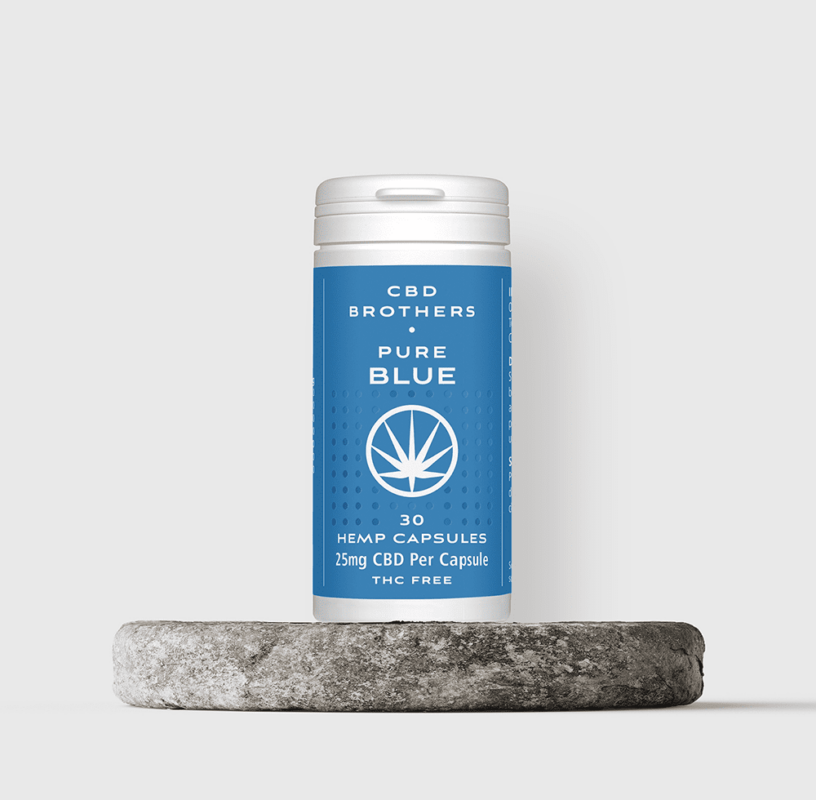
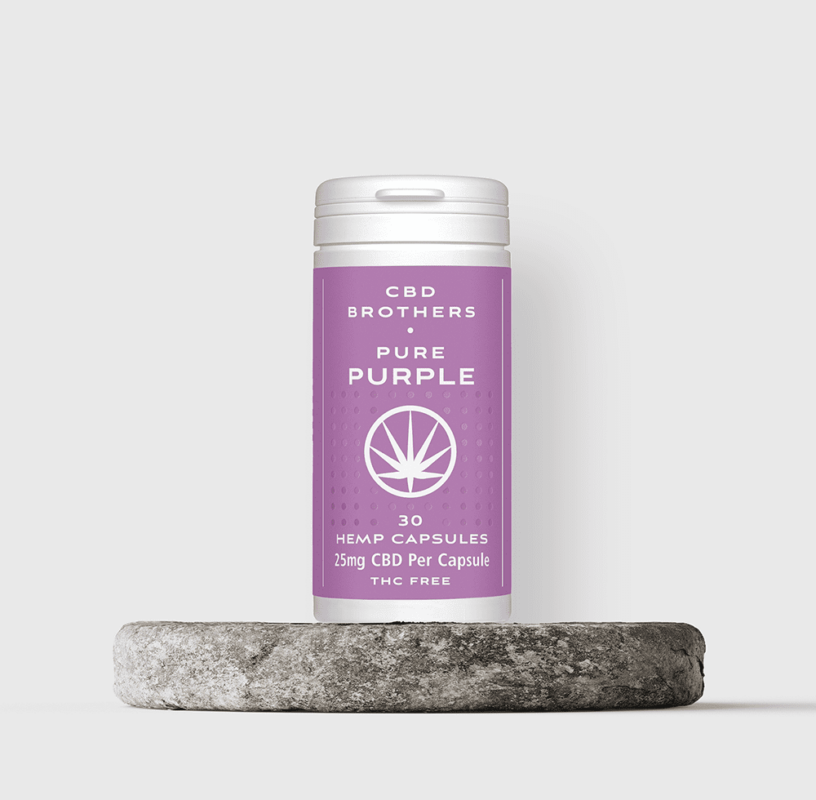
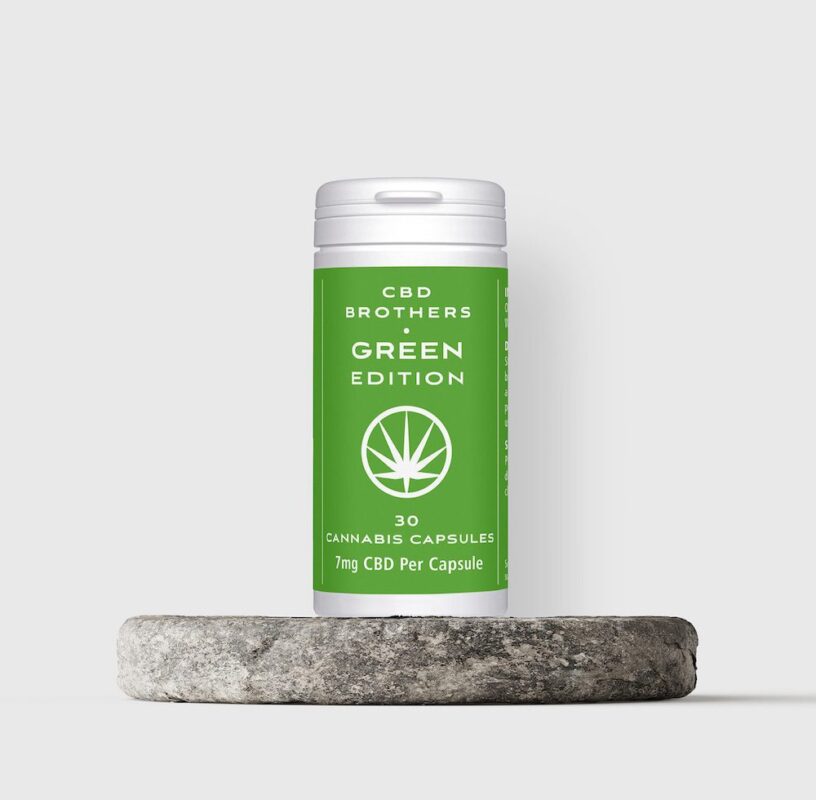
Look for CBD per capsule, the number of capsules and the total CBD content. These figures describe different things. A hypothetical pack of 30 capsules containing 5 mg each has 150 mg CBD across the pack. That arithmetic does not tell you how many to take or establish that the product is suitable for you.
Then check whether the advertised serving is one capsule or several. Comparing a figure per serving with another brand’s figure per capsule can make similar products look different. Keep the unit beside every number, including the price. A large total on the front should never require a search through small print to explain it.
Read the shell and the filling
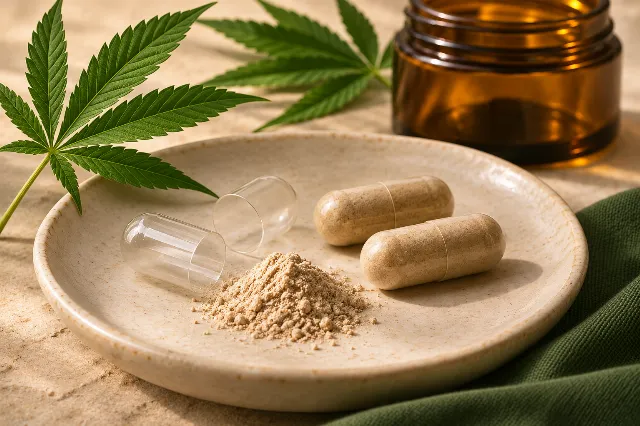
The shell and what it contains are separate parts of the formulation. A product described as a plant-shell capsule still needs a complete ingredient list. The filling may include a carrier oil, CBD ingredient, botanical ingredients or other components. A softgel description tells you about the format; it does not settle whether the whole recipe meets your dietary preferences.
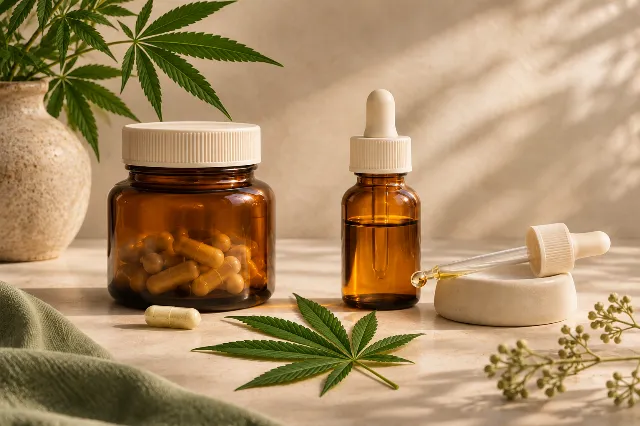
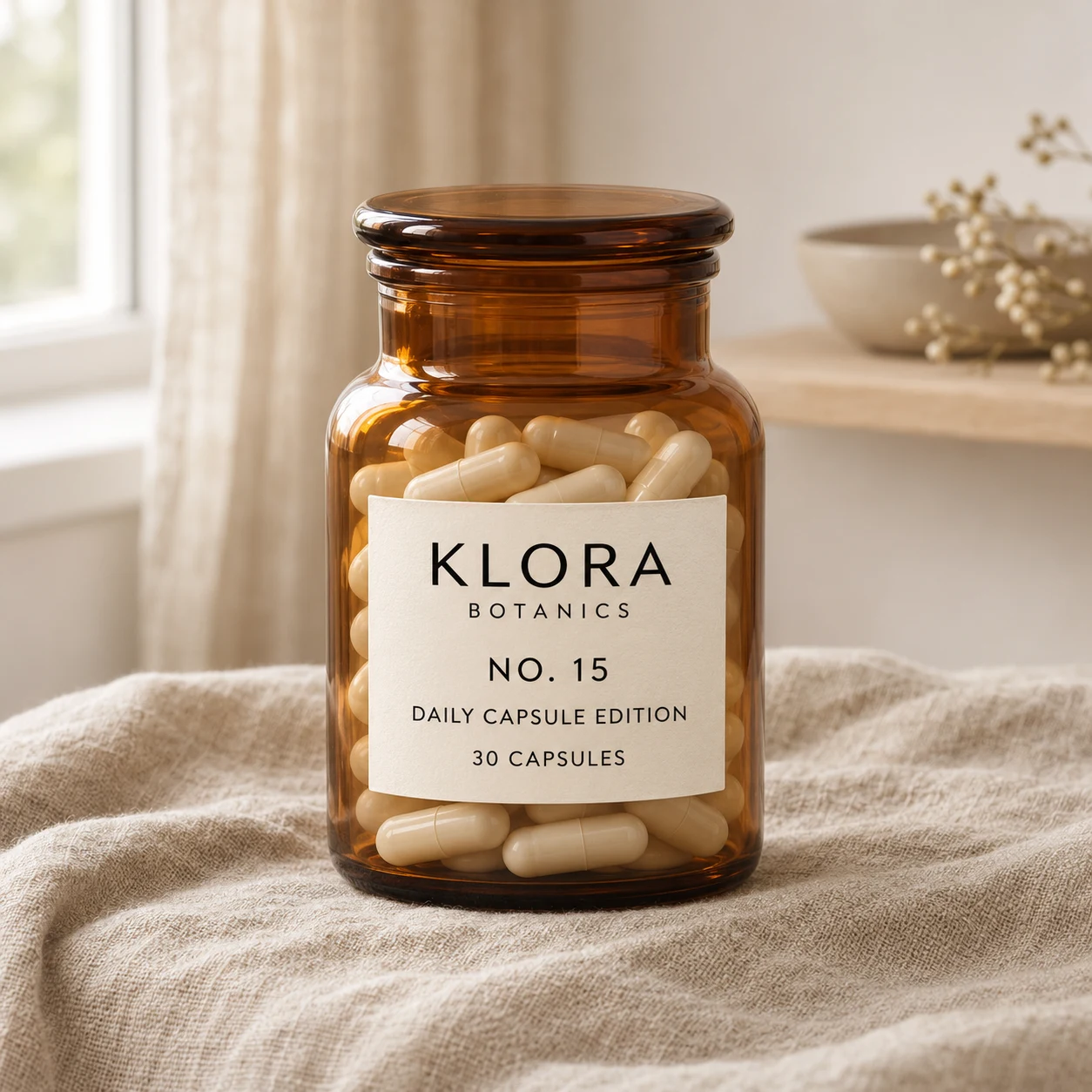
If you avoid a particular ingredient, check the finished product rather than making an assumption from its appearance. An amber jar and a botanical illustration cannot tell you whether the shell contains gelatine, whether an ingredient has an animal-derived source or what manufacturing information is available.
Choose a practical format
Consider how you prefer to handle a product. Capsules remove the need to measure a liquid, but a fixed unit also means less flexibility in the amount contained in each unit. If swallowing capsules is difficult for you, the format may be a poor fit whatever its packaging suggests.
Ask about capsule dimensions when they are not shown. Check the closure, storage instructions and whether individual units remain protected after opening. A small jar may suit a cupboard better than a dropper bottle; that is a practical preference, not evidence that one format produces a better result.
Give added ingredients their own questions
A longer ingredient list is not automatically a more useful one. For a capsule combining CBD with magnesium or botanicals, look for the stated quantity and form of each addition. A named ingredient without an amount leaves part of the comparison unfinished.
The proposed Klora range includes simple capsules, softgels and botanical combinations. Additional ingredient quantities and final specifications are still being reviewed. Names such as lion’s mane, reishi or rhodiola describe proposed ingredients here; they are not promises about concentration, sleep or any other health outcome.
Look for a product record, not a badge
Supporting information should identify the exact product and, where relevant, the batch. Start with the ingredient list and responsible business details, then follow the link to any available laboratory report. An attractive testing icon gives you less to assess than a readable document matched to the pack.
Regulatory status is a separate question from measured CBD content. Our UK guide explains the distinction. Klora’s own-label capsules are currently concepts: their quantities are proposed specifications, and neither a product image nor this guide confirms that a finished item is authorised or available to buy.
Make the final comparison modest and clear
Write down the pack price, capsule count, CBD per capsule and any ingredient questions still unanswered. Compare like with like before considering a larger pack. Buying more is not better value if you would prefer a different format or cannot establish the details that matter to you.
The FSA advises healthy adults to limit CBD from food to 10 mg a day. This includes other CBD food and drink, not just capsules. Read the suitability guidance before making a choice; a convenient format does not make CBD appropriate for everyone.
Primary references
Read the original guidance
General information, not personalised medical or legal advice. Product and regulatory details can change. Read the exact product label and current source guidance.