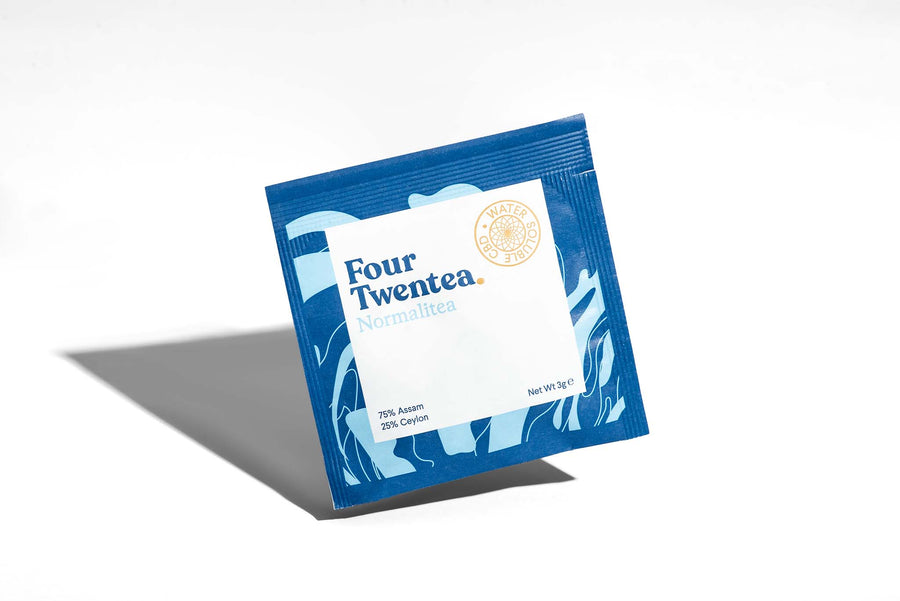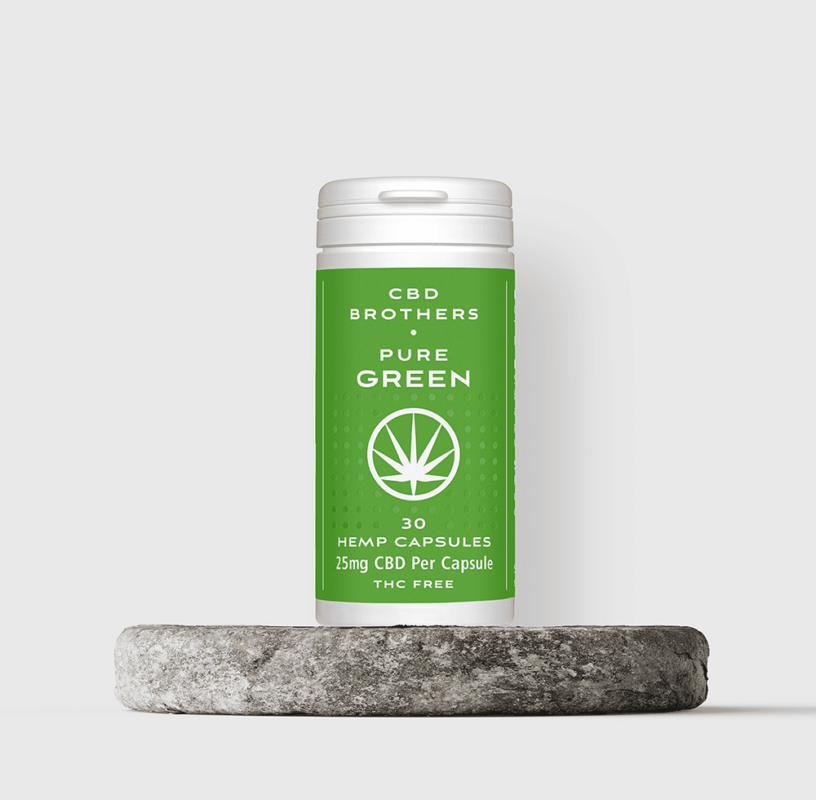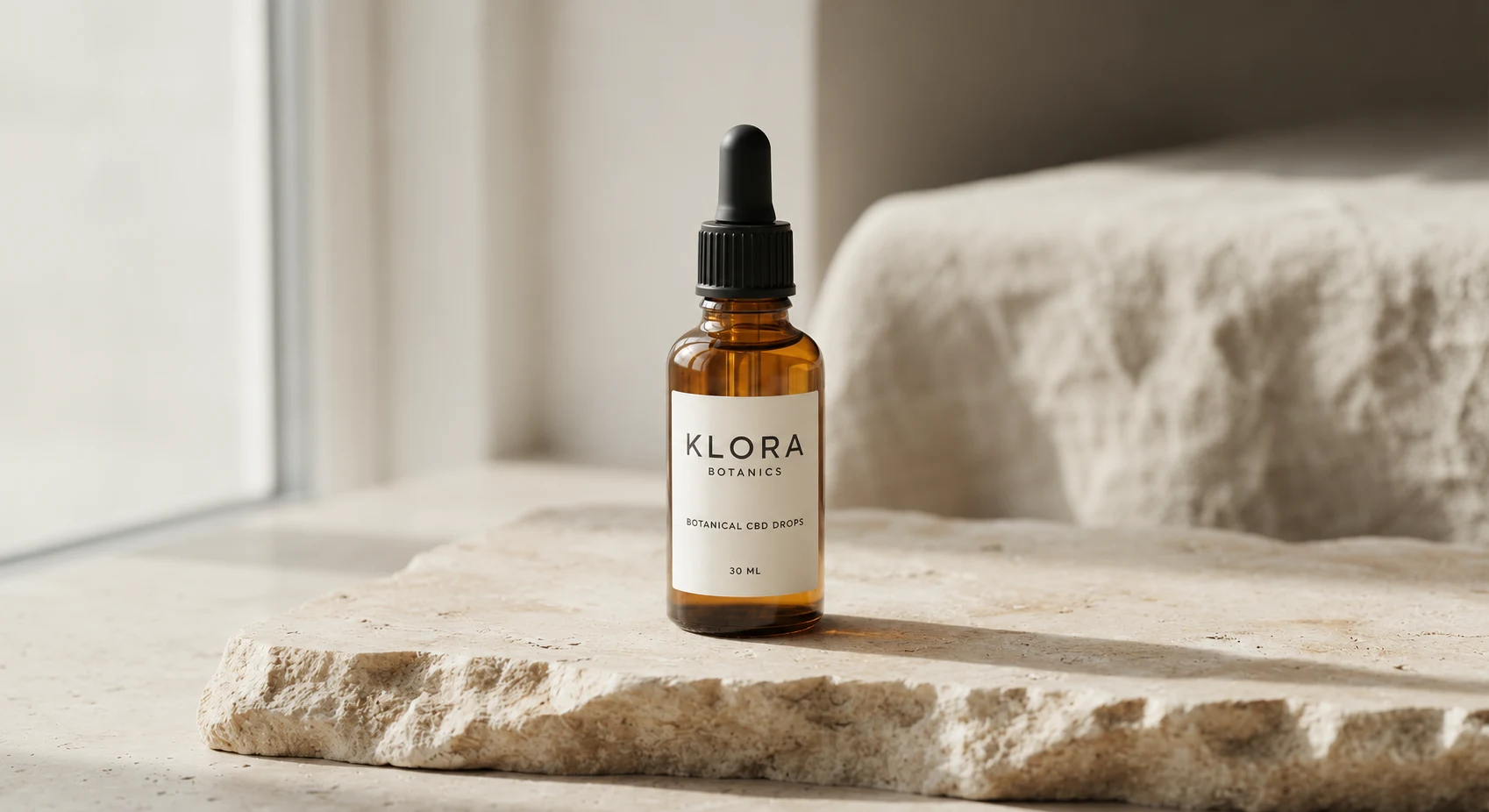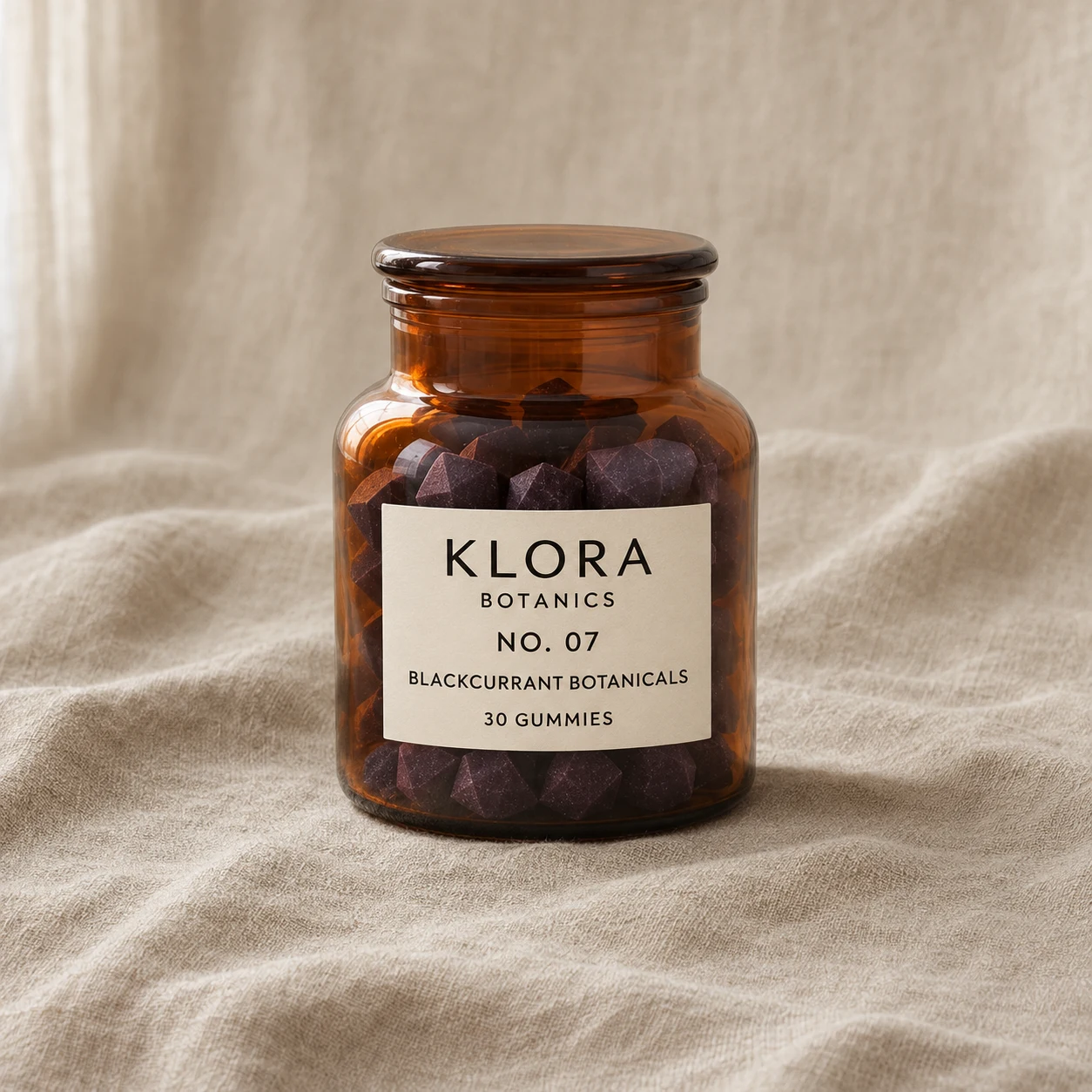
Different rules answer different questions
Food status, controlled-drug requirements, cosmetic obligations and advertising rules address different aspects of a product. Satisfying one does not establish compliance with all the others.
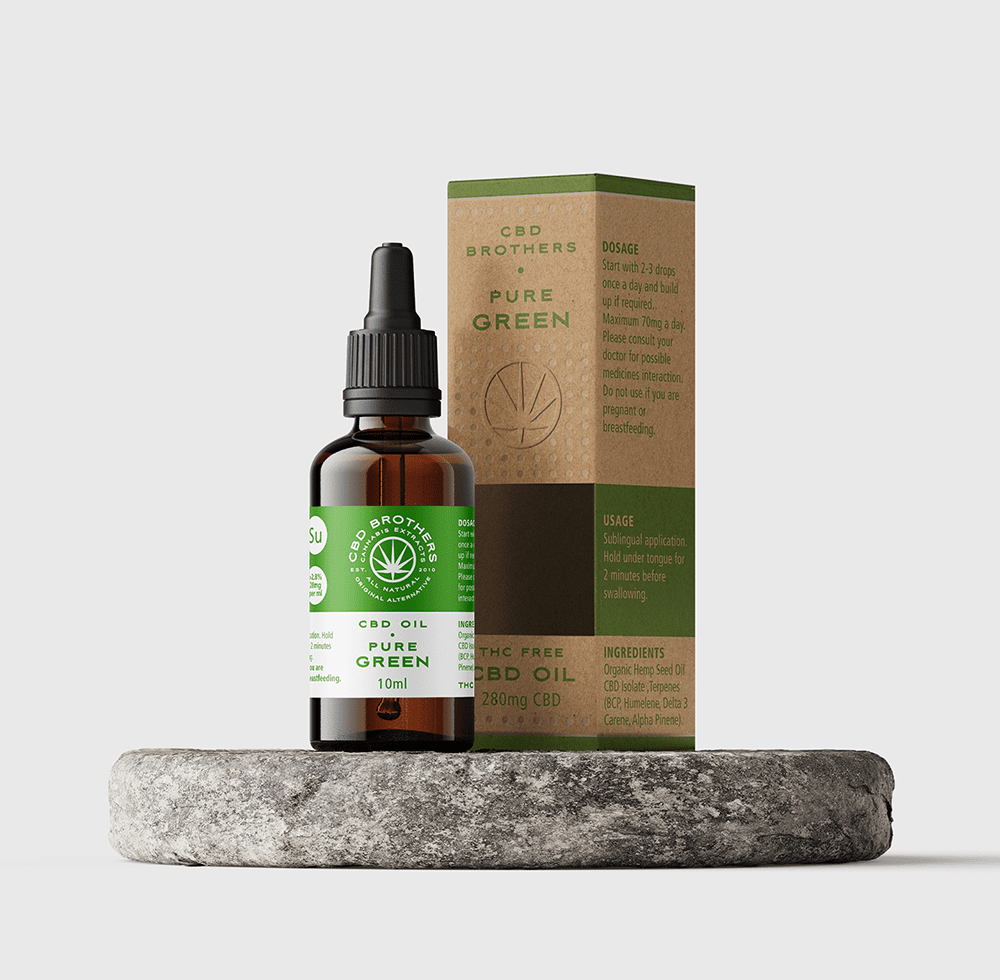
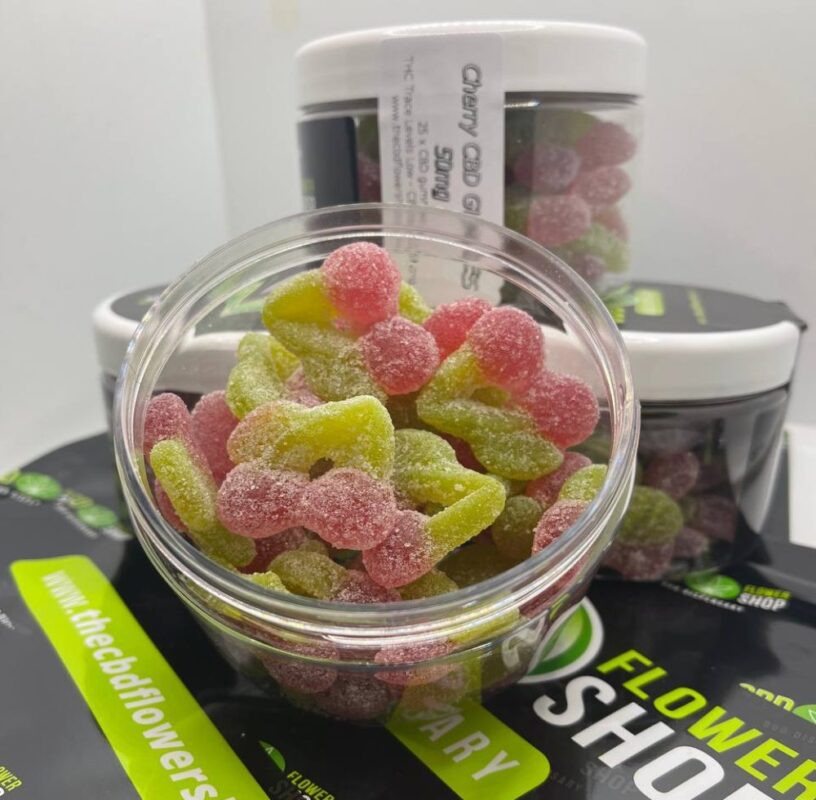
A product page should make its intended use clear. Describing a food as a medicine or presenting a skincare product as something to consume changes the questions that need answering.
The current advice for CBD foods
The FSA advises healthy adults to limit CBD from all foods combined to 10 mg a day. This is precautionary guidance, not a personal target or guarantee of safety. CBD is not recommended for under-18s, people taking medication, those trying to conceive, or anyone pregnant or breastfeeding, unless under medical direction.
Reference: FSA consumer guidance (opens in a new tab)
Food status depends on the product and destination
The FSA guidance reviewed for this article states that CBD extracts and isolates have not been authorised as novel foods. England and Wales have a public list for certain existing products progressing through the application process; listing is not approval. A supplier application alone does not permit a new brand to launch.
Scotland requires authorisation for CBD foods. Northern Ireland follows the EU authorisation route. An England-and-Wales listing should therefore never be presented as UK-wide permission.
Reference: FSA business guidance (opens in a new tab) · Food Standards Scotland (opens in a new tab)
Controlled cannabinoids require evidence
The Home Office’s exempt-product framework has several conditions. Its 1 mg threshold concerns each controlled drug in the container, not a typical serving. CBN is among the controlled cannabinoids. A low-THC slogan alone is not enough to establish an exemption.
Advertising is part of the product story
Claims about treating disease are prohibited for food products. General wellness language is not a universal workaround: health claims also have rules. Testimonials and educational-looking marketing can imply the same claims as a headline.
Where Klora stands
We are developing the collection and its supporting records. We are not presenting the preview as a legally approved range or accepting paid purchases before the required checks are completed.
For the current product-status position, read our novel-foods page and consult the original regulator guidance. This article is general information and cannot determine a particular business’s legal position.
Primary references
Read the original guidance
General information, not personalised medical or legal advice. Product and regulatory details can change. Read the exact product label and current source guidance.