Give each number a name
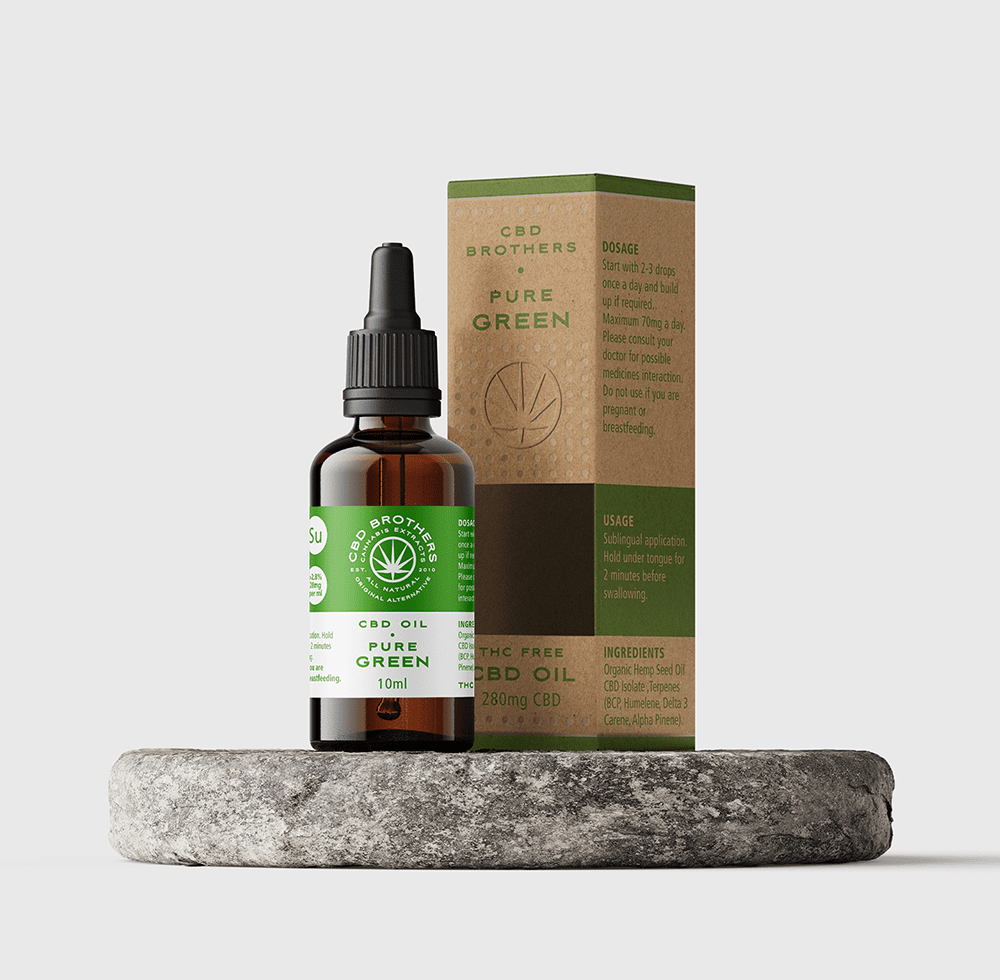
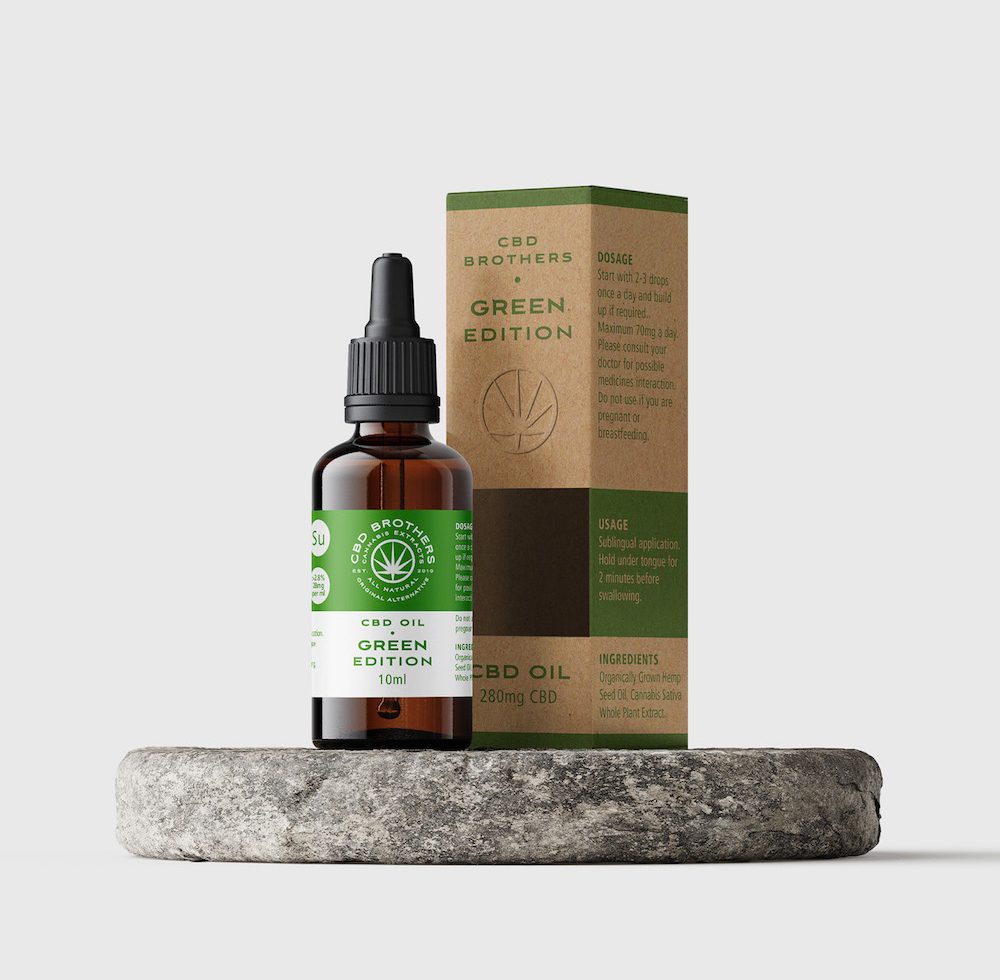
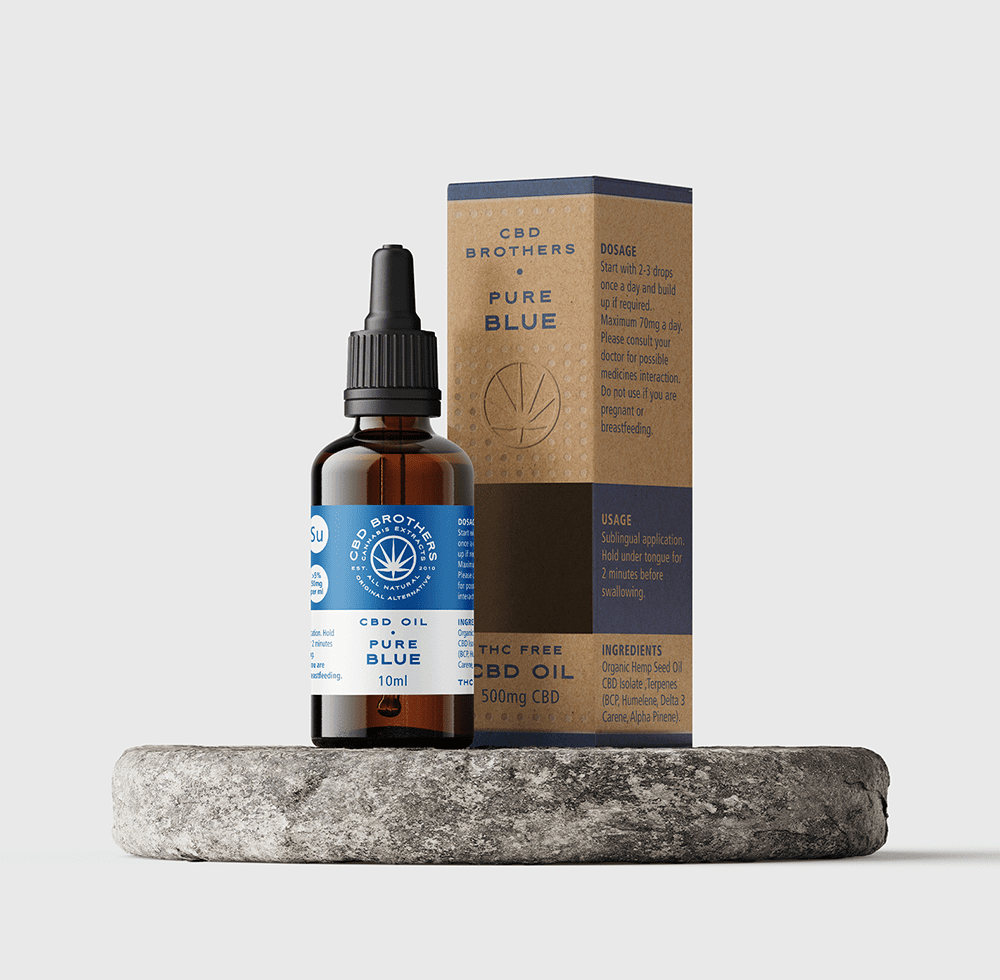
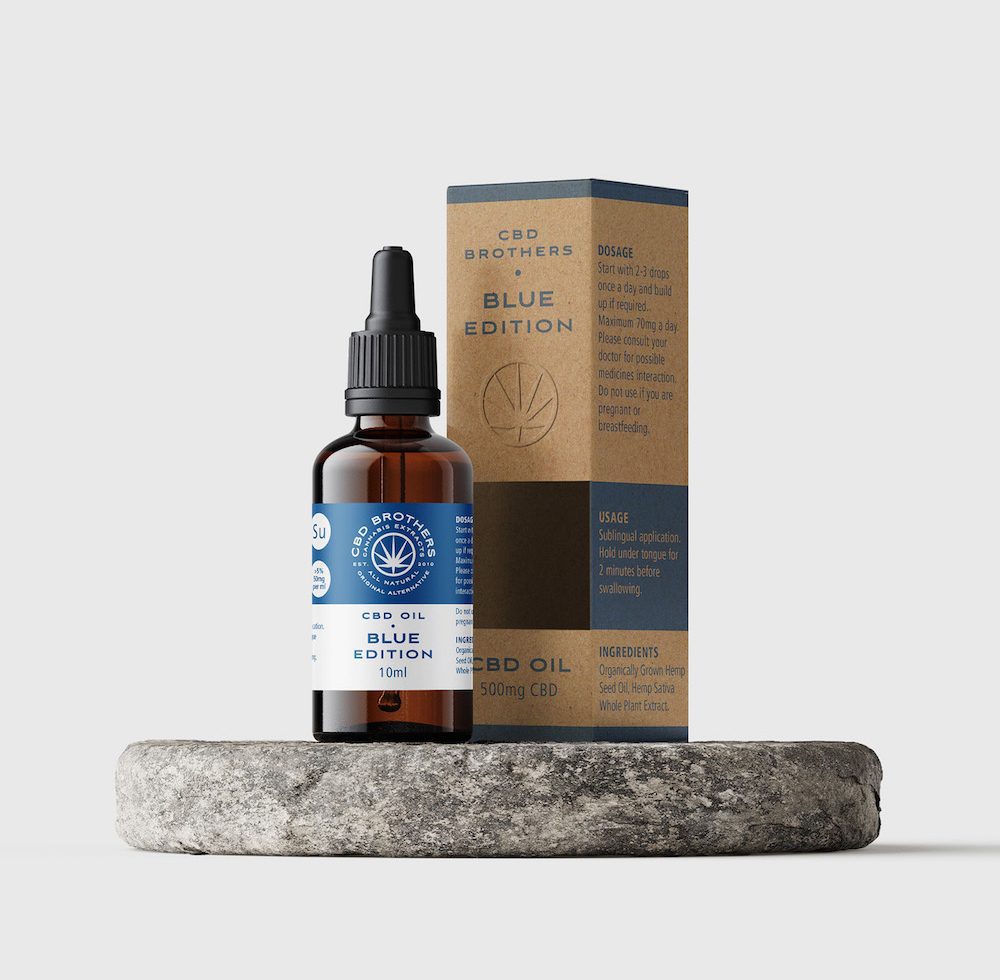
Start with bottle volume, usually expressed in millilitres or ml. Then find the stated total CBD, commonly expressed in milligrams or mg. Concentration describes how much CBD is present in a given quantity of the liquid. A serving figure describes the amount associated with the manufacturer’s specified portion.
Write those headings down before copying the numbers. If a page says only 1,000 mg, confirm whether that means CBD in the entire bottle. Do not assume the figure refers to the weight of hemp extract, the volume of oil or one use. The words attached to the number are part of the information.
Calculate milligrams per millilitre
For a label stating total CBD and liquid volume, divide the stated CBD in milligrams by the bottle volume in millilitres. A hypothetical 10 ml bottle containing 500 mg CBD works out at 50 mg/ml. A hypothetical 20 ml bottle containing the same 500 mg works out at 25 mg/ml.
This calculation compares the stated concentrations; it does not verify the label. For that, supporting analytical information is relevant. It also does not decide suitability or quality. Two formulations with the same concentration may have different ingredients, directions or product records.
- 500 mg ÷ 10 ml = 50 mg/ml
- 500 mg ÷ 20 ml = 25 mg/ml
- 1,000 mg ÷ 20 ml = 50 mg/ml
Keep a measured portion separate
To calculate CBD in a specified volume, multiply the concentration by that volume. Using the hypothetical 50 mg/ml oil, 0.1 ml corresponds to 5 mg CBD. The calculation explains units only. It is not a suggestion to take that portion or a confirmation that the supplied dispenser can measure it accurately.
A serving statement should tell you what the portion actually is. If it uses drops, you also need information about the exact dispenser. The separate drop guide explains that measurement boundary; the concentration calculation here does not establish a universal drops-per-millilitre figure.
Treat percentages carefully
If the label gives only a percentage, pause before calculating mg per ml. The percentage needs both a named substance and a basis. Our percentage guide covers mass-per-volume and mass-per-mass statements with separate examples; do not borrow a conversion from another product.
When the bottle already gives a clear CBD total and volume, use those two facts for the arithmetic here. There is no need to invent a percentage. Laboratory measurements in mg per gram should retain their own units until the information needed for a conversion is available.
Separate concentration from consumption advice
A stronger concentration means more stated CBD in the same volume of liquid. It does not mean that a larger daily amount is appropriate. The FSA advises healthy adults to limit total CBD from food to 10 mg a day as a precaution; that figure is not a target or guarantee of safety.
Keep the question of label arithmetic separate from the question of whether to consider CBD. A correctly completed calculation answers only the first. Our central UK guide links to the current consumer advice and explains the wider context, so you can read that information before comparing products.
Reference: FSA: cannabidiol consumer advice (opens in a new tab)
Make a comparison you can check
Create a small record for each oil: exact variant, bottle volume, total CBD, calculated mg/ml and the labelled serving information. Add the pack price only after those fields are clear. Price per stated milligram can describe a numerical difference, but it cannot account for documentation, ingredients, delivery or whether the product is suitable for you.
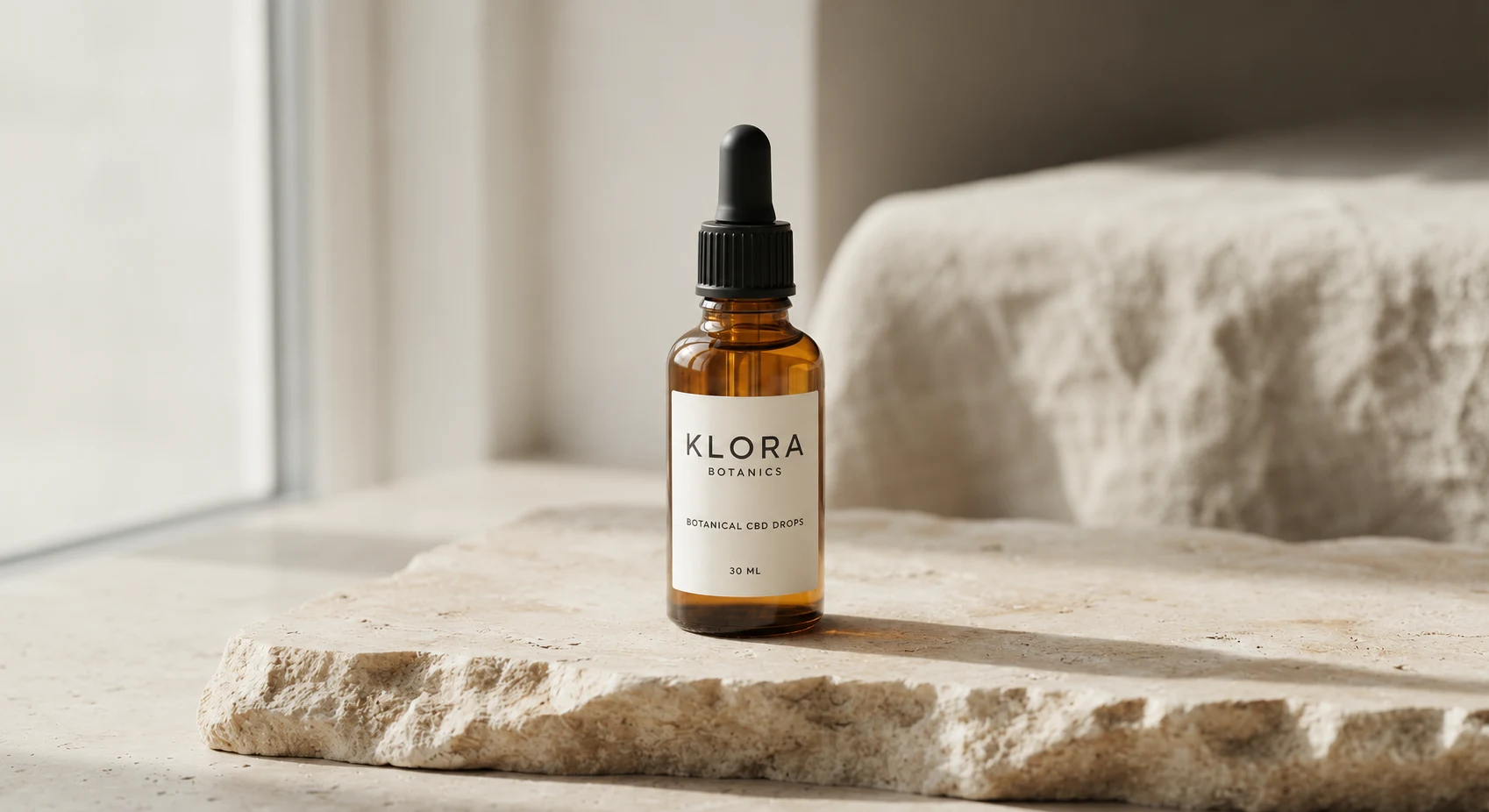
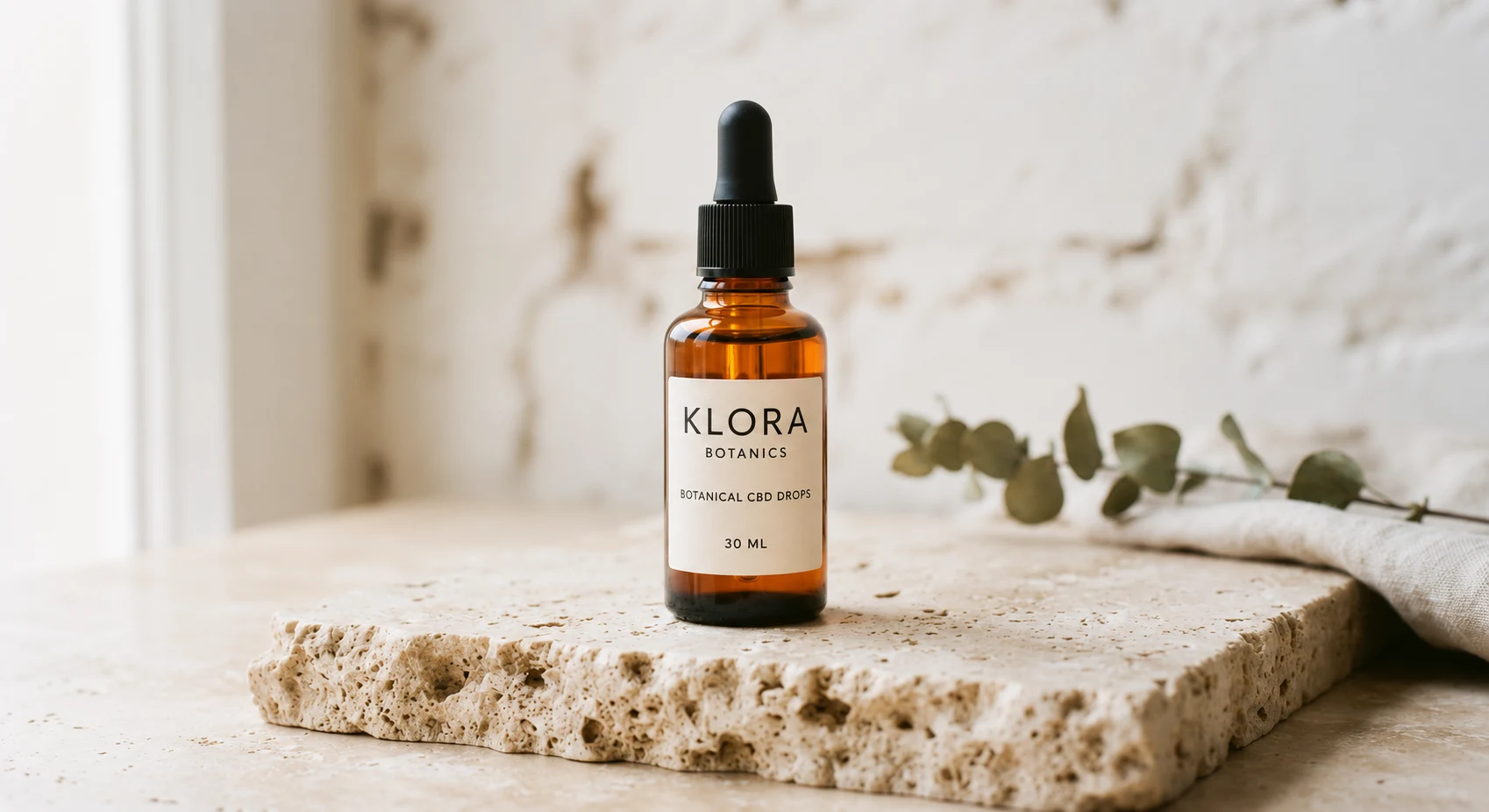
The proposed variants in Klora’s own-label oil range are collection concepts. Their displayed quantities help explain the intended formats; they are not a substitute for final labels or verified reports. Where information is pending, leave the comparison open. Clear gaps are more useful than confident guesses.
Primary references
Read the original guidance
General information, not personalised medical or legal advice. Product and regulatory details can change. Read the exact product label and current source guidance.