Separate the three units
Millilitres, written as ml, describe liquid volume. Milligrams, written as mg, describe an amount of CBD. A drop describes a dispensed portion of liquid. These terms cannot be swapped: 1 ml is not 1 mg, and one drop is not necessarily one milligram.
Start with figures explicitly identified as CBD. A total for hemp extract, or a combined CBD and CBDA figure, should not be entered as CBD alone without clarification. If a percentage is prominent, look for the manufacturer’s explanation in mg and ml before converting it.
Calculate concentration from a clear label
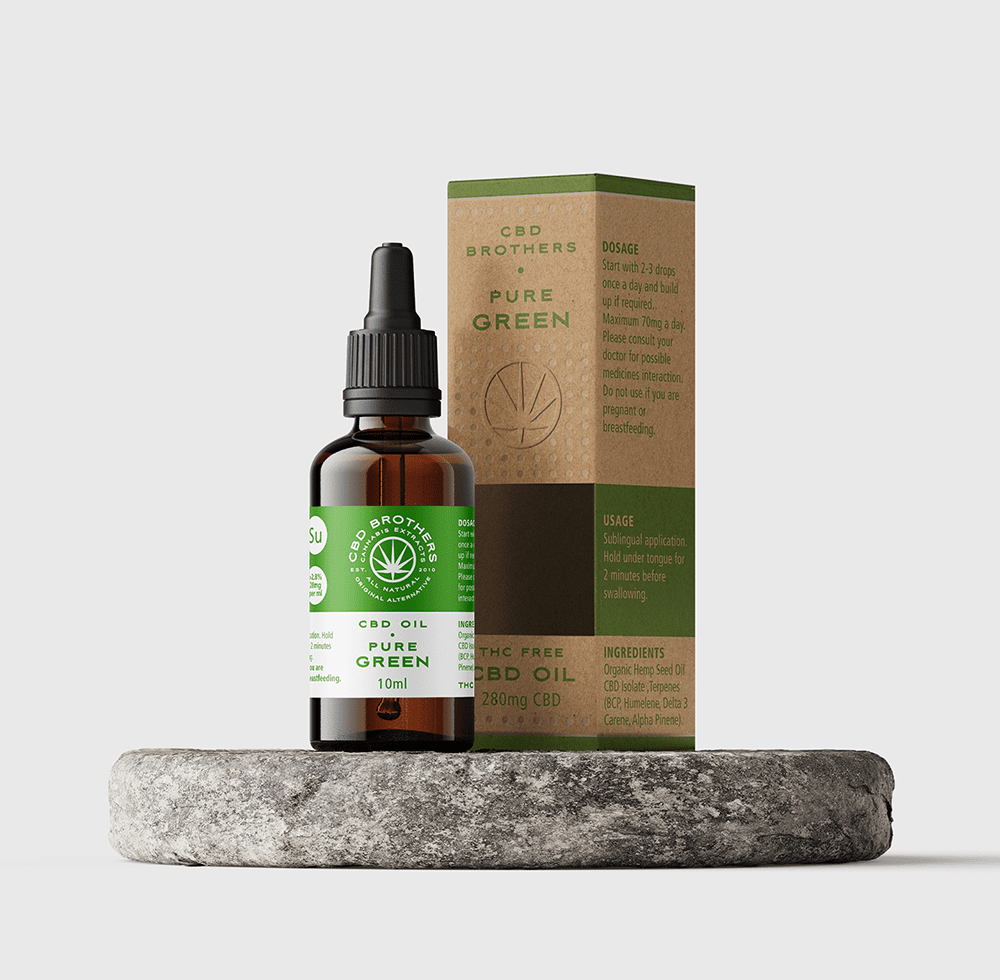
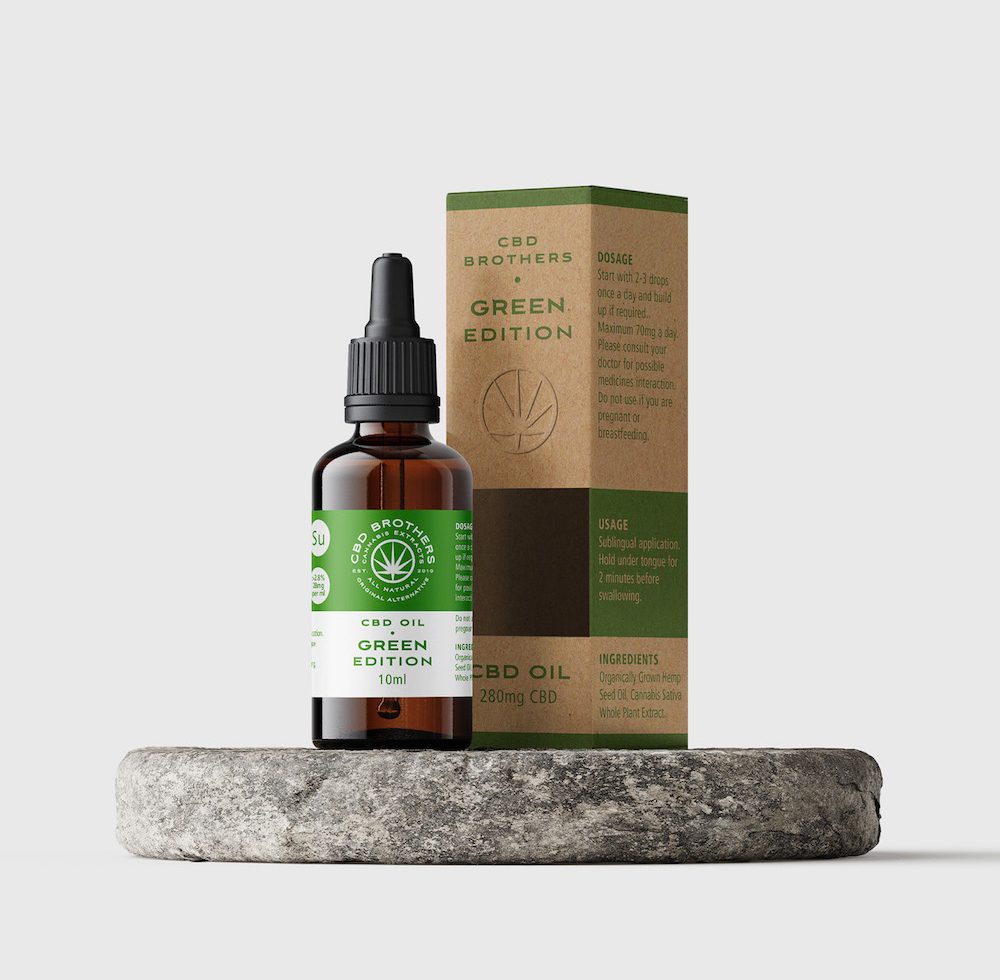
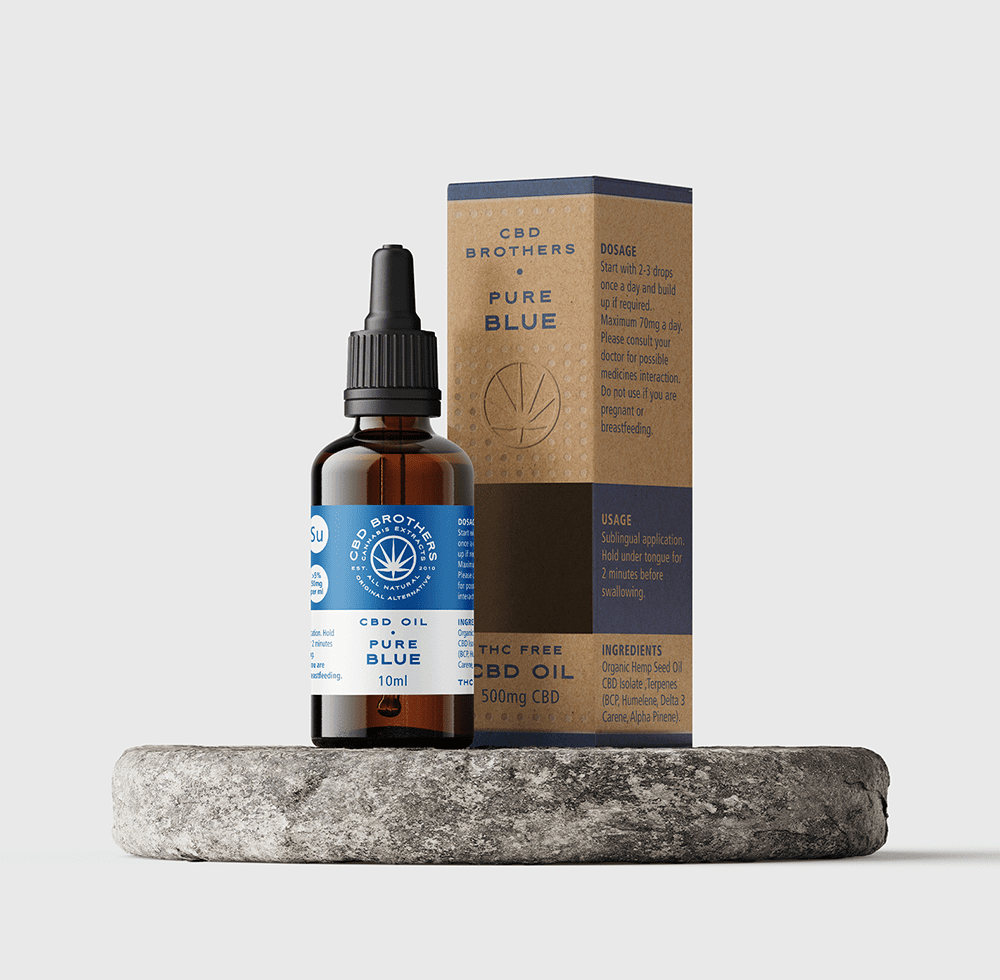
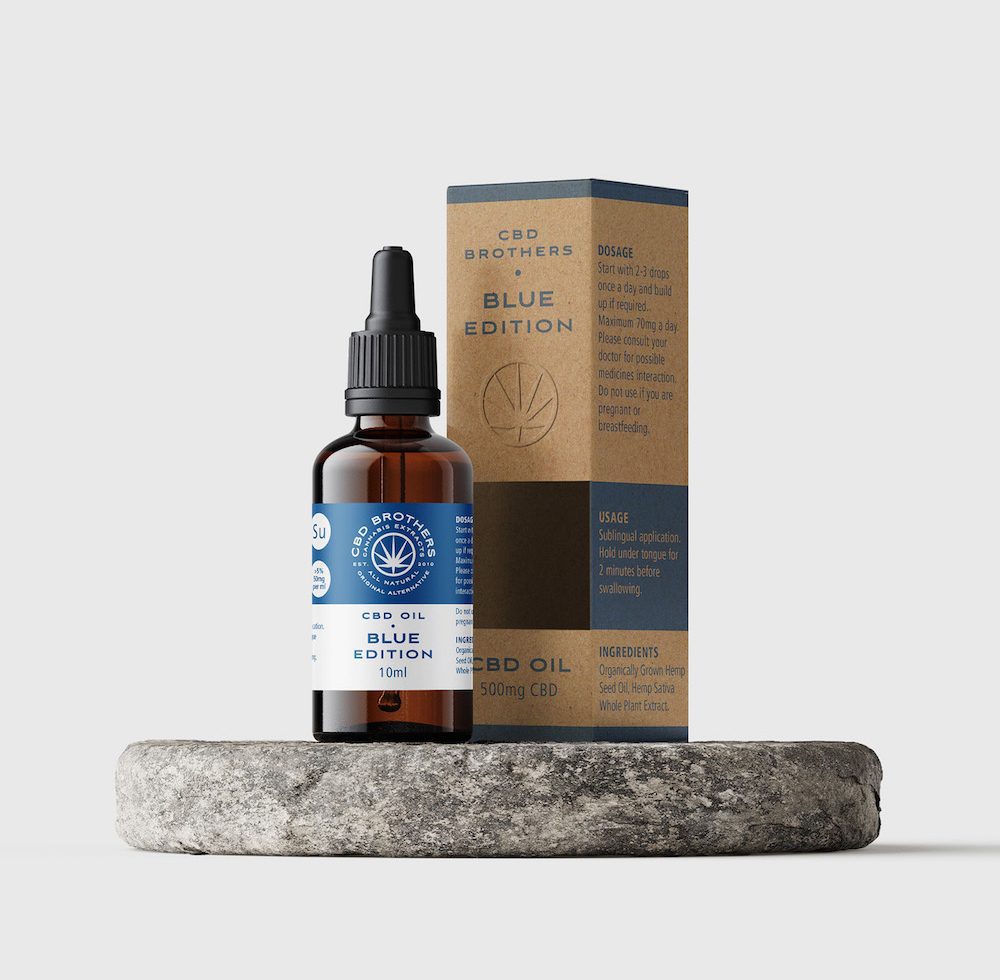
Divide the stated whole-bottle CBD quantity by the bottle volume. The result is the CBD concentration in mg per ml. Then multiply that concentration by a measured liquid volume to understand the amount it contains.
For arithmetic only, imagine a bottle labelled 100 mg CBD in 10 ml. Its concentration is 10 mg/ml. A hypothetical measured volume of 0.2 ml contains 2 mg CBD: 100 ÷ 10 × 0.2 = 2. These invented figures explain the calculation; they are not a suggested serving or a product recommendation.
A drop count needs product-specific information
Do not assume a universal number of drops per millilitre. Dispensers and liquids differ, so an estimate copied from another bottle can give a misleading result. Use a stated CBD amount per drop only when it belongs to the exact formulation and dispenser in front of you.
Where instructions specify a marked volume, use the supplied measuring method. An unmarked pipette described simply as “one dropper” leaves an important question unanswered. Ask what volume is intended and how the manufacturer expects you to measure it.
Recheck when the bottle changes
A familiar brand name does not guarantee an unchanged concentration. A new pack size, strength or recipe can change the amount in the same liquid volume. Compare the new label before carrying over a previous measurement.
Keep a short note of the product name, CBD total, bottle volume and measuring instructions. When comparing two oils, complete those same fields for both. An empty field is a reason to ask, rather than a space to fill with a standard internet conversion.
Keep arithmetic separate from a dose recommendation
The FSA’s precautionary advice for healthy adults is a maximum of 10 mg CBD from food per day. Include other CBD foods and drinks when checking a total. A calculated amount below that figure does not establish individual suitability.
The calculator does not use body weight, symptoms or a desired effect to produce a dose. If you need advice about whether CBD is appropriate alongside a medicine or a health concern, that question belongs with a qualified healthcare professional.
Common measurement questions
Can I use a “drops per ml” chart? Only product-specific information can explain the dispenser supplied with your bottle; a general chart is an estimate.
Is a full pipette a serving? Not automatically. Read the marked volume and the manufacturer’s directions.
What if a gummy label gives mg per piece? That is a different presentation. Use the stated amount per piece; do not translate it into oil drops.
Primary references
Read the original guidance
General information, not personalised medical or legal advice. Product and regulatory details can change. Read the exact product label and current source guidance.