Recognise two different names
CBD is cannabidiol and CBDA is cannabidiolic acid. They are separately identified compounds, not alternative spellings of one ingredient. A label may declare them individually or combine their quantities in one figure. Read the complete declaration, including any explanation of how the total has been calculated.
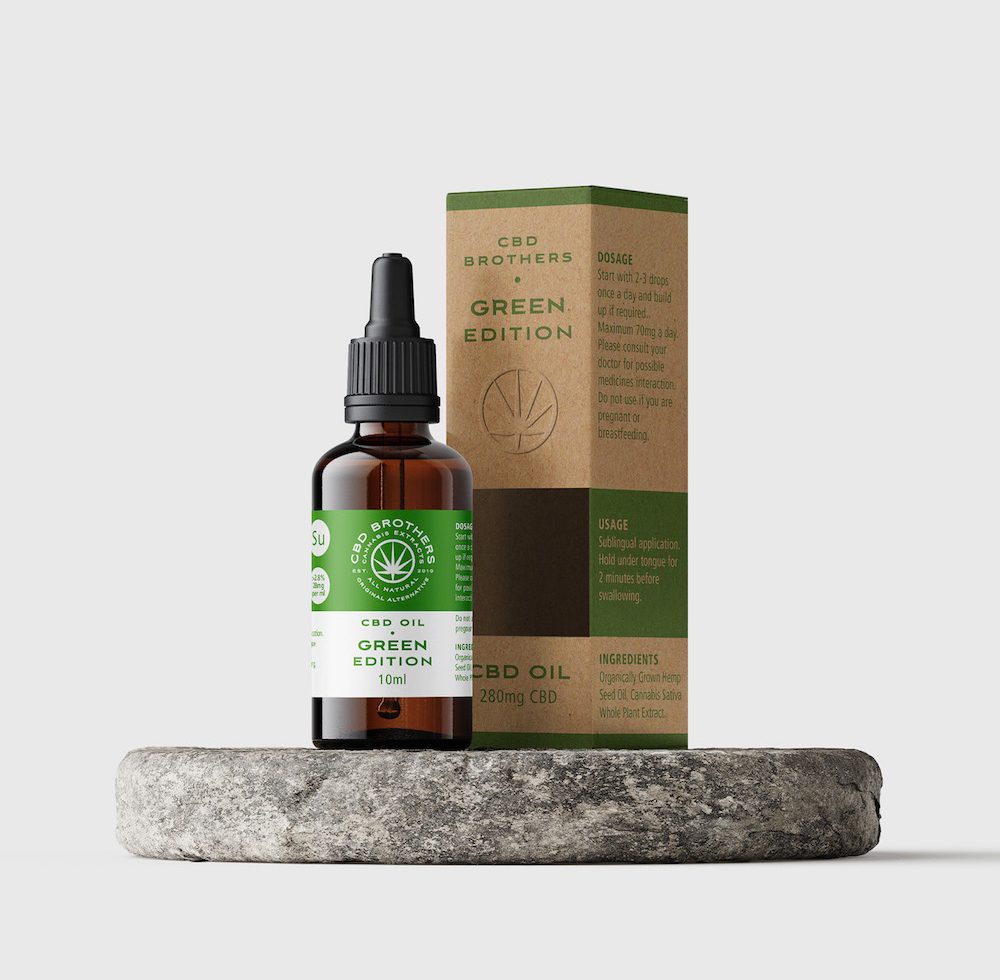
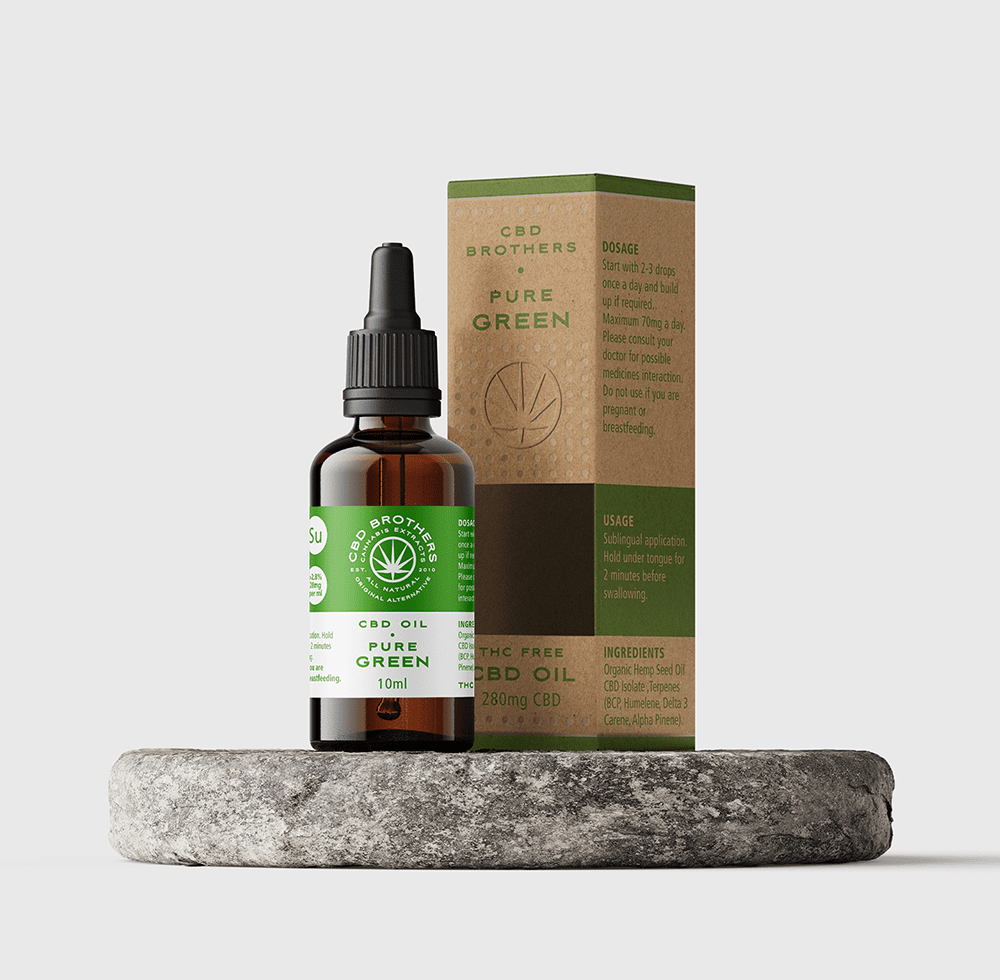
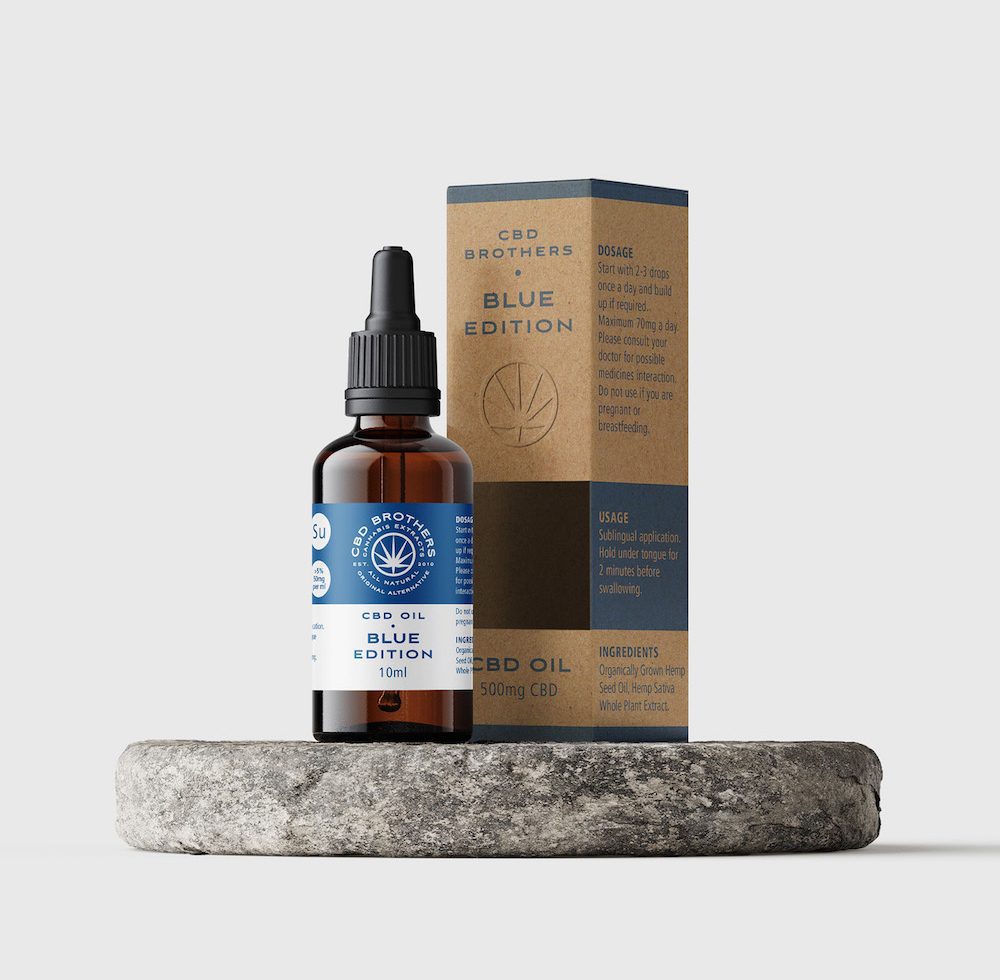
The practical shopping point is straightforward: do not shorten a combined declaration to CBD alone. If the product page states 500 mg CBD/CBDA per bottle, keep both names when recording it, comparing it or discussing it with the seller. A photograph showing a large number is not enough to remove the distinction.
Read what a combined total can establish
A combined figure describes the stated combined amount on its defined basis. Without separate values, it does not tell you how much of the total is CBD and how much is CBDA. Do not divide the number in half, borrow a ratio from another bottle or assume that every batch has an identical breakdown.
If the seller provides separate values, check that they concern the exact product, pack size and relevant batch. A laboratory result may use different units from the retail declaration, or a calculation called total CBD may have a stated analytical convention. Ask for an explanation rather than assuming every total is a simple addition.
| Illustrative wording | A careful reading |
|---|---|
| 500 mg CBD per bottle | A stated CBD-only bottle total |
| 500 mg CBD/CBDA per bottle | A stated combined bottle total |
| CBD and CBDA separately measured | Read both values and the report units |
| Hemp extract 500 mg | Not a stated 500 mg CBD declaration |
Do not mix comparison bases
A price-per-milligram table needs the same named quantity in each row. A CBD-only pack and a combined CBD/CBDA pack do not supply matching denominators when the breakdown is unknown. You may record the price per stated combined milligram separately, with that wording visible, but do not rank it as CBD alone.
The same applies to concentration. Dividing a combined total by bottle volume gives a combined quantity per millilitre on the stated basis. It does not reveal the CBD-only concentration. A mathematically correct division cannot supply chemical information that the label has not provided.
Use calculators only with the information they request
A calculator asking for CBD in milligrams needs a CBD-only figure. Entering a combined total as CBD gives the tool a different input from the one it describes. If the breakdown is unknown, leave the calculation unresolved and ask the supplier. Unknown is not the same as zero.
The FSA’s advice about limiting CBD from food to 10 mg per day for healthy adults is not permission to invent an equivalent allowance for CBDA. It is also not a personal dose. A combined label is not a way around suitability guidance, product directions or the need to understand the actual contents.
Ask for a product-specific explanation
Send the seller the full product name, size, variant and wording that needs clarification. Ask whether separate CBD and CBDA values are available, what units they use and which sample or batch they cover. Keep any report and reply with the product information so that later comparisons use the same basis.
Do not alter a product by heating or changing its preparation to make a label resemble another one. This guide is about reading a retail declaration, not modifying a formulation. Follow the manufacturer’s intended use and ask about unclear instructions before considering the product.
Three combined-total questions
Does CBD/CBDA mean there is no CBD in the bottle? No. It means the stated figure combines named quantities; the breakdown needs its own information.
Does full spectrum tell me the CBD-to-CBDA ratio? No. A spectrum description is not a numerical breakdown of the exact product.
Can Klora silently relabel a combined figure as CBD? No. Our comparison and product information should preserve the named substance and units. Ask our team about any declaration that remains unclear.
Primary references
Read the original guidance
General information, not personalised medical or legal advice. Product and regulatory details can change. Read the exact product label and current source guidance.