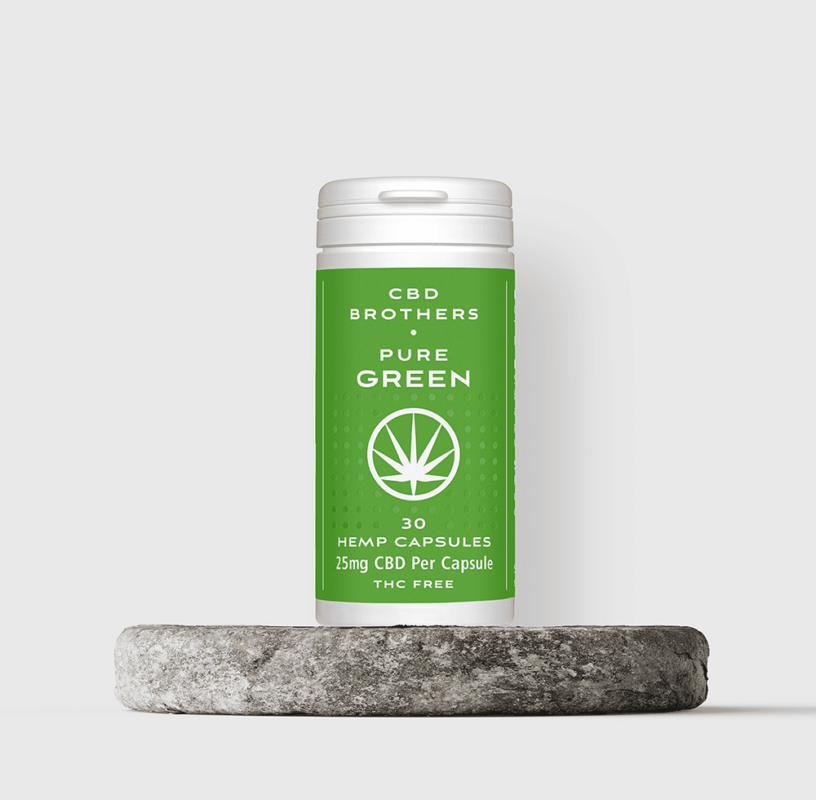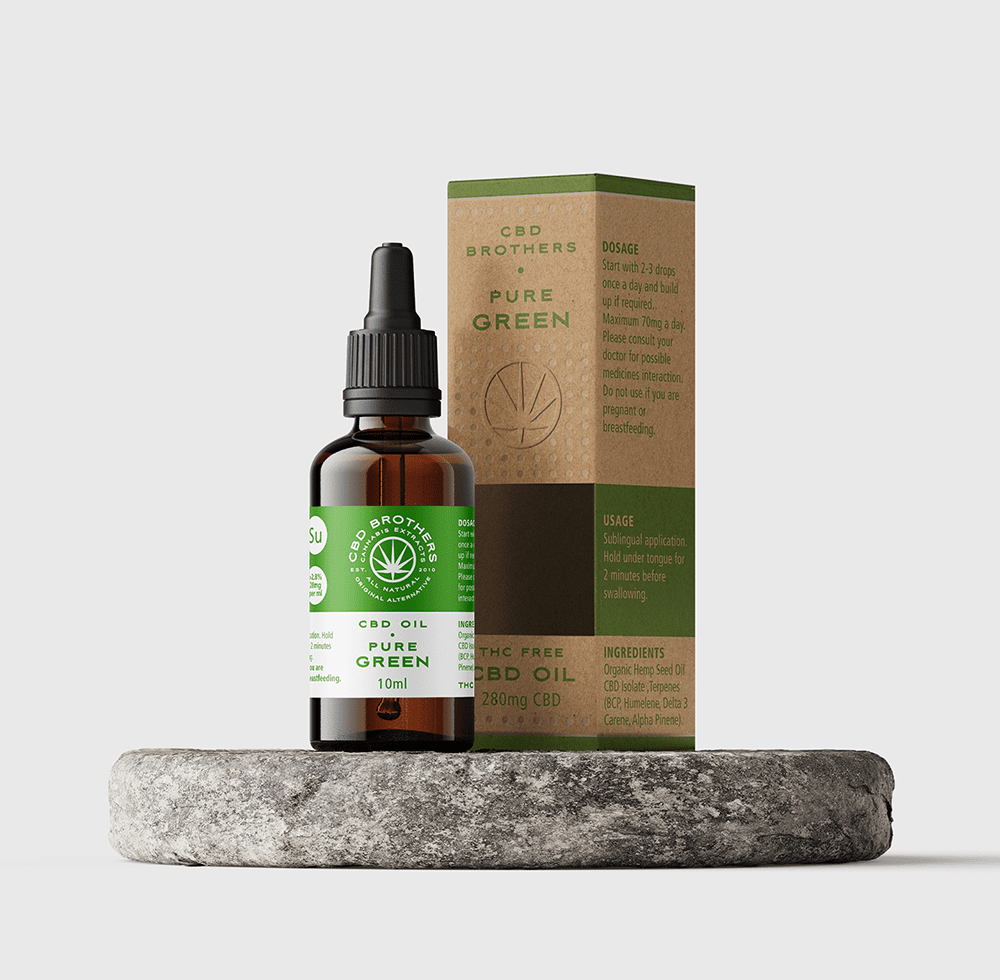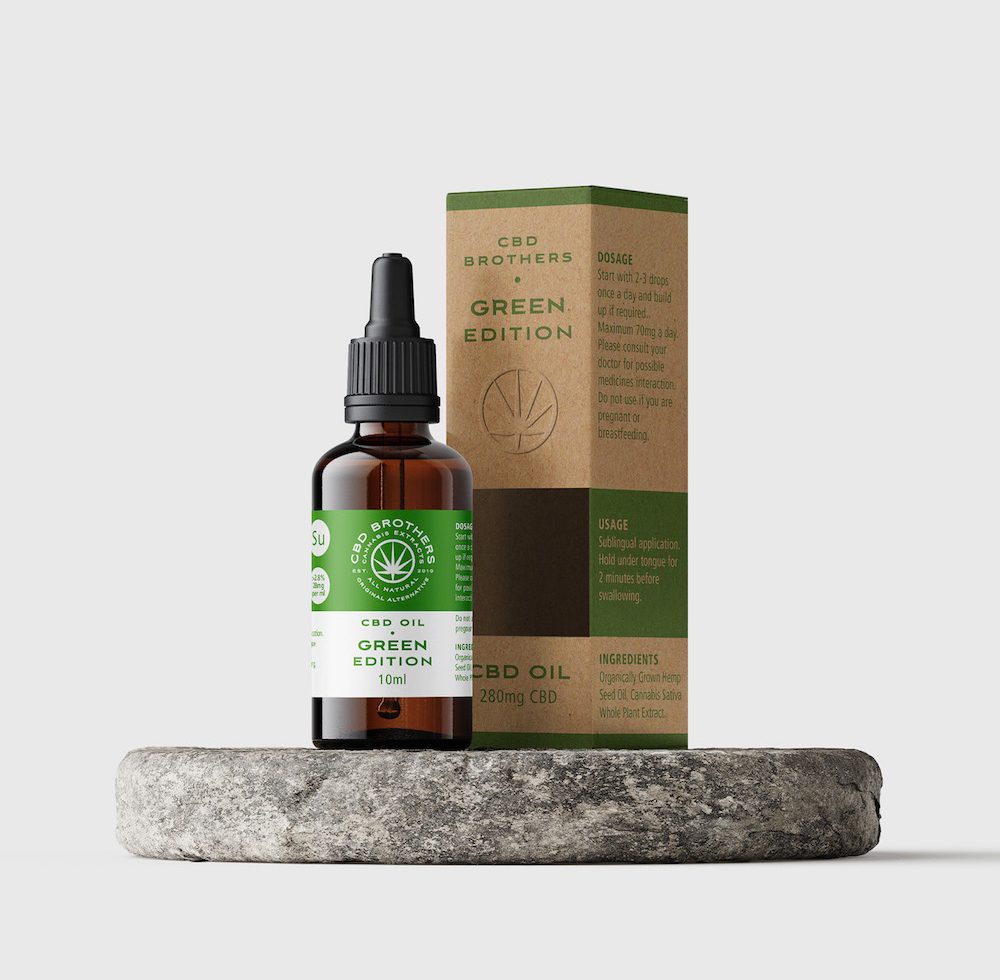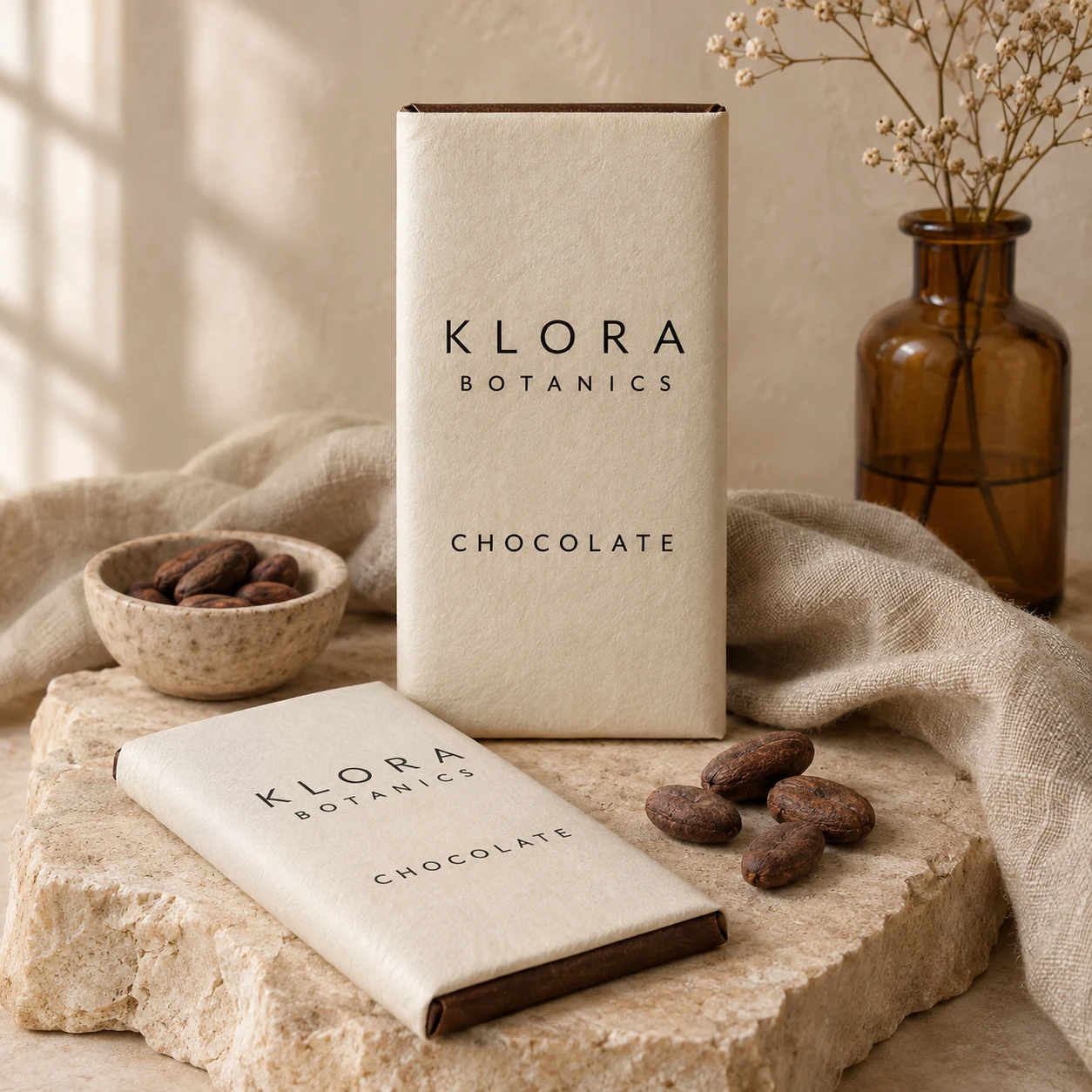
Find the complete declaration
Read the current ingredients and allergen information for the exact product, including its flavour and size. A shop summary or a front-of-pack photograph may not show the complete declaration. If the information is missing, ask for it before deciding whether to consume the product; do not infer an absence from a blank space.
GOV.UK explains that specified allergens used as ingredients in prepacked food must be highlighted in the ingredient list, for example through bold type. Keep the complete wording in view. An ingredient table copied into plain text may lose that visual emphasis, which is another reason to check the current pack.
Know what the 14-allergen list covers
The official list comprises celery; cereals containing gluten; crustaceans; eggs; fish; lupin; milk; molluscs; mustard; nuts; peanuts; sesame; soya; and sulphur dioxide or sulphites above the specified threshold. GOV.UK gives that threshold as more than 10 mg per kilogram or litre. The list groups several ingredients, so read the particular cereal or nut named on the pack.
A product containing milk chocolate, for example, needs a different review from a plain oil. Capsule shells, flavourings, sweetening ingredients and additions to drinks can also affect the complete recipe. These are prompts for inspection, not a declaration that a particular Klora listing contains or excludes an allergen.
Separate ingredients from cross-contact warnings
An allergen deliberately used in the recipe and a precautionary warning about possible unintended presence are different pieces of information. Wording such as may contain should not be ignored because the ingredient list looks suitable. Equally, an omitted warning is not a personal assurance from the retailer that every risk has been excluded.
When the distinction matters to your allergy management, ask the manufacturer or supplier about the exact product and follow the advice of your healthcare professional. Tell the seller what information is missing, rather than asking a broad question such as whether a product is clean or natural.
| Statement | What to check |
|---|---|
| Ingredient declaration | Which allergens are intentionally present in the recipe? |
| Precautionary allergen wording | What possible cross-contact is declared? |
| Vegan or dietary statement | What does the statement cover, separately from allergen information? |
Use dietary filters as a starting point
Vegan does not mean allergen-free. Official guidance specifically distinguishes the two, and allows precautionary allergen wording to sit alongside a vegan statement. Sugar-free is a separate nutrition description again. None of these labels can replace the relevant allergen declaration.
Take particular care when comparing a set or ordering several variants. Check every included product individually. A chocolate, gummy and capsule can have different manufacturers, recipes and production statements even when they appear together in one shop or gift box. A substitution should trigger a fresh check.
Recheck the product that arrives
Match the pack to the product and variant you selected, then read its current declaration before opening or using it. Keep the batch reference and any supplier clarification. Recipes and packaging can change, so an answer for an earlier purchase should not automatically carry forward.
If the delivered pack differs from the information you used, set it aside and contact the seller. Send the product name, batch and a clear photograph of the relevant label. Do not taste a small amount to investigate an unresolved allergen question, and do not substitute a cosmetic product for a food product because their bottles look alike.
Allergen questions, answered
Is an oil with only a few ingredients automatically suitable for my allergy? No. Use the complete product-specific information, including any relevant precautionary wording, and obtain clarification where needed.
Can I rely on a vegan badge? It answers a different question. Official guidance advises checking allergen information independently rather than treating vegan as an allergen-free guarantee.
What if the website and pack disagree? Set the product aside and ask the supplier to resolve the discrepancy for your exact variant and batch before using it.
Primary references
Read the original guidance
General information, not personalised medical or legal advice. Product and regulatory details can change. Read the exact product label and current source guidance.