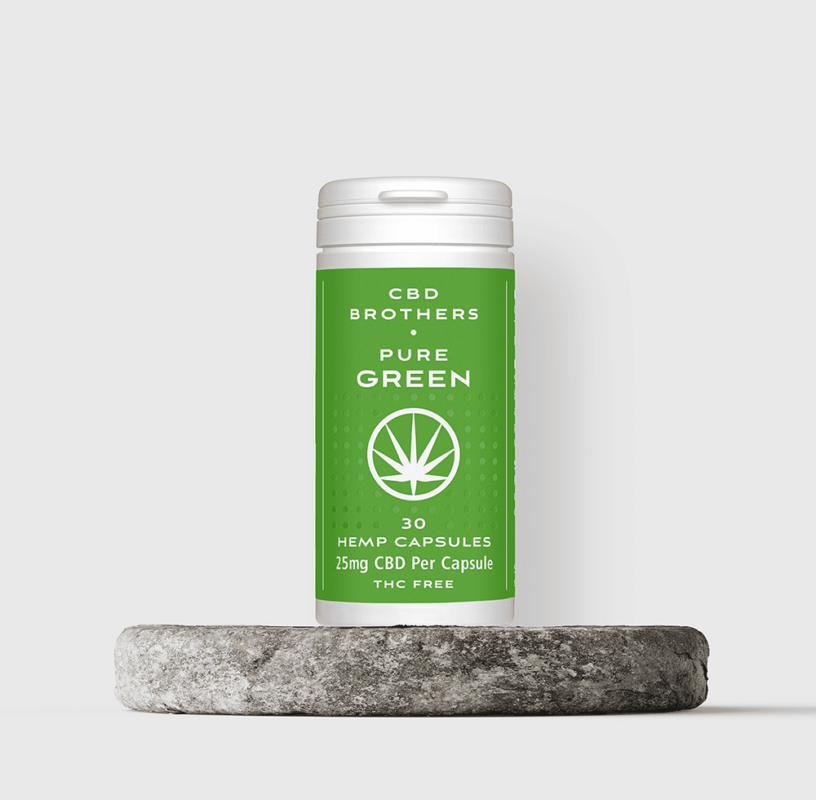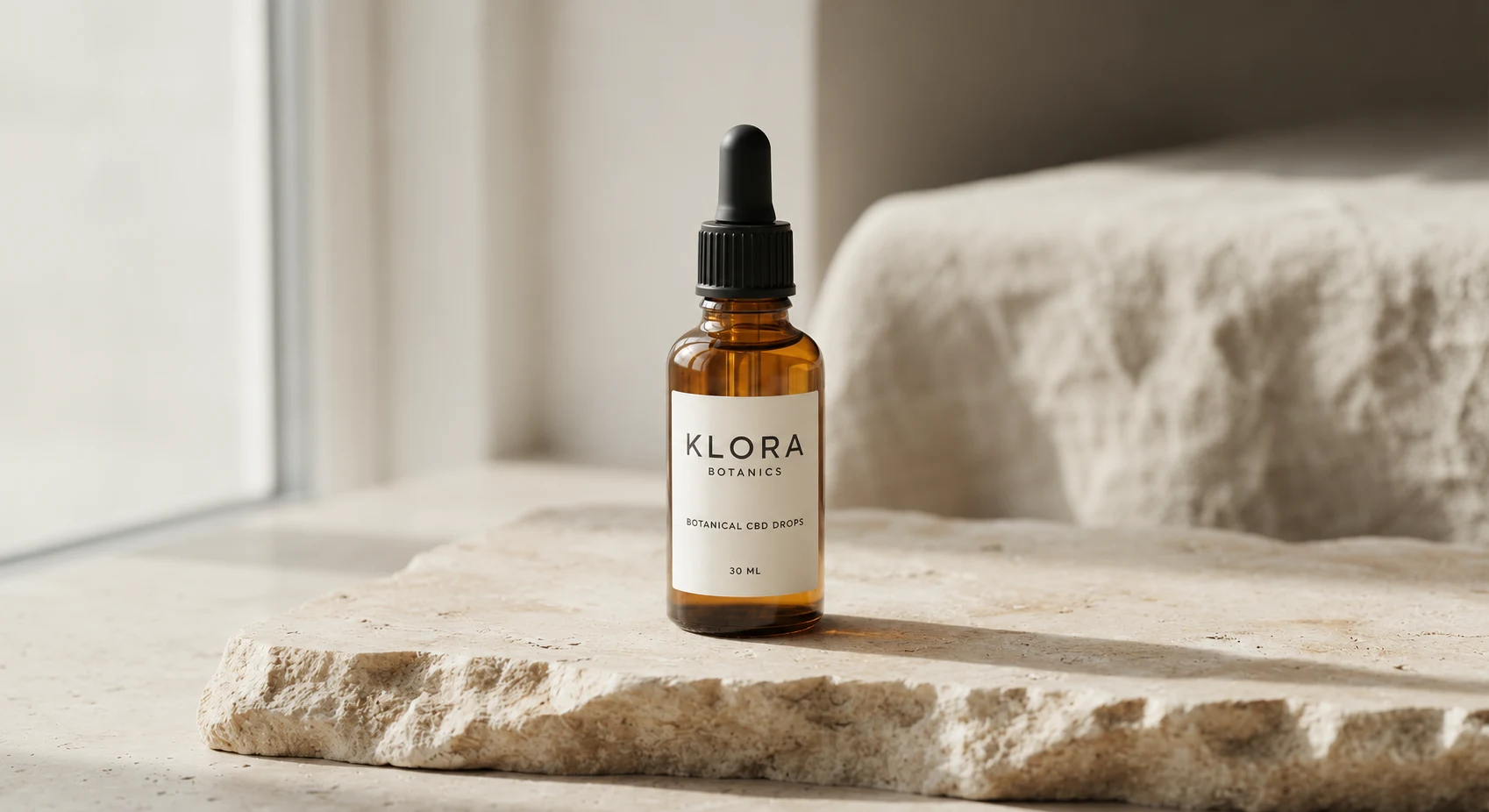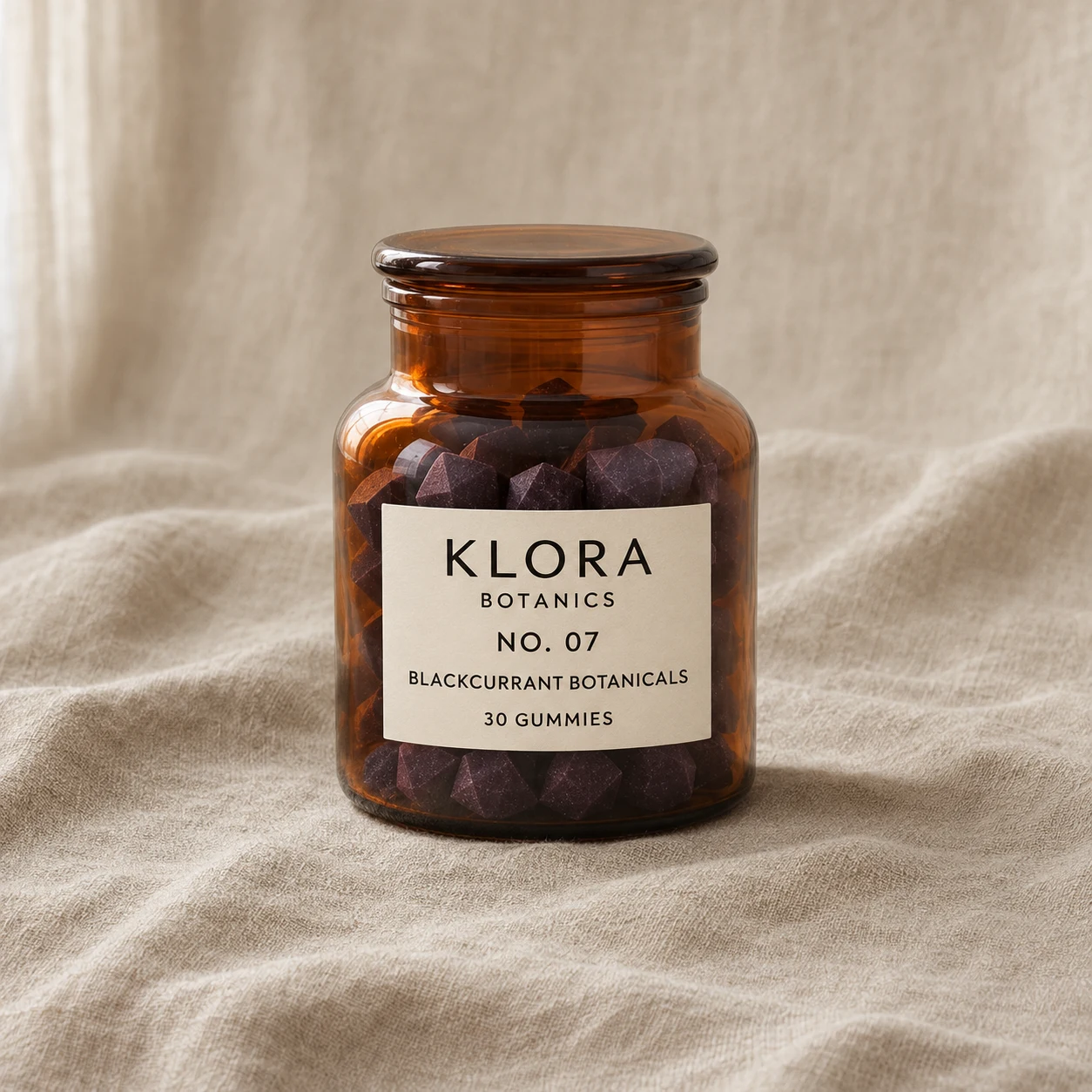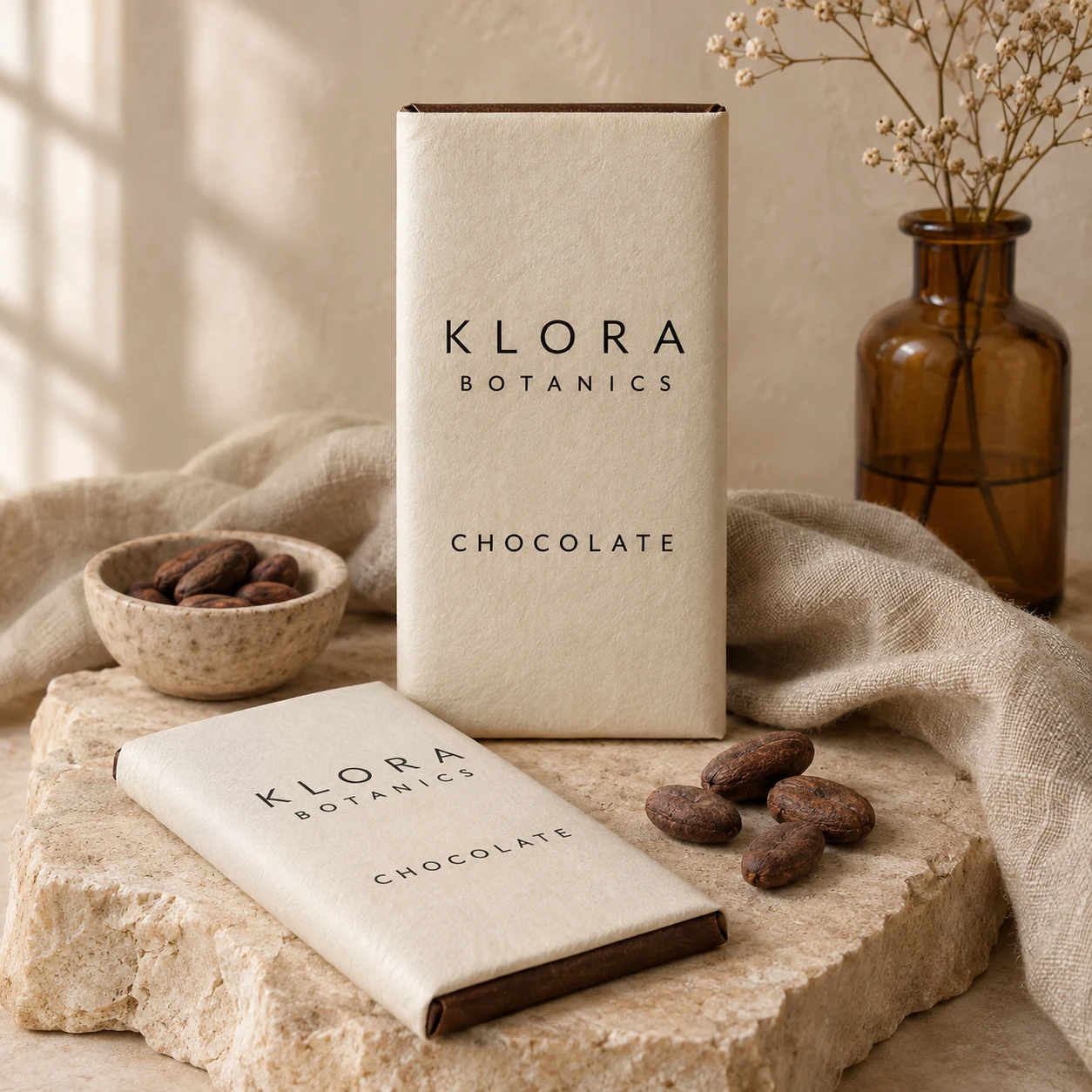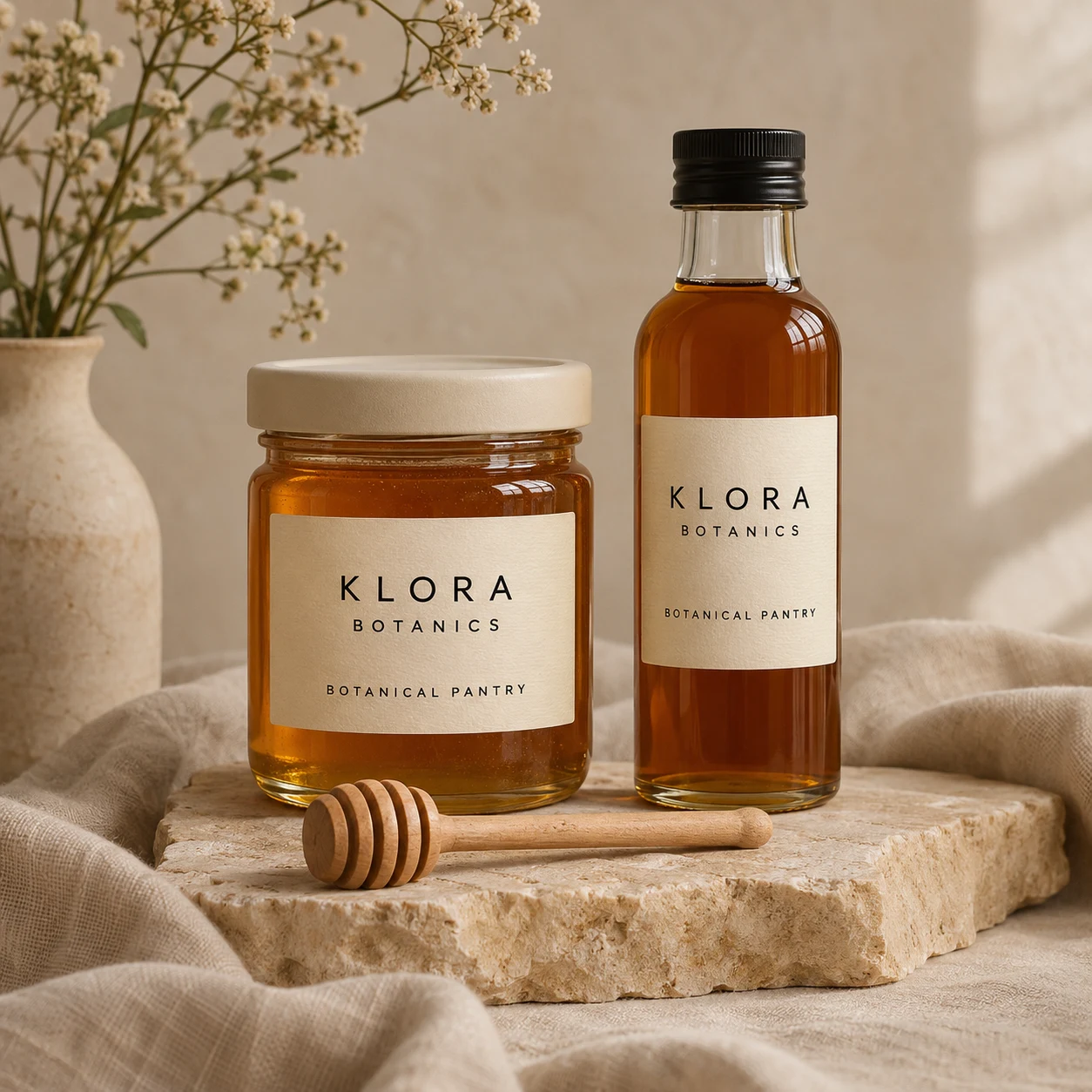
Match each item to the confirmed selection
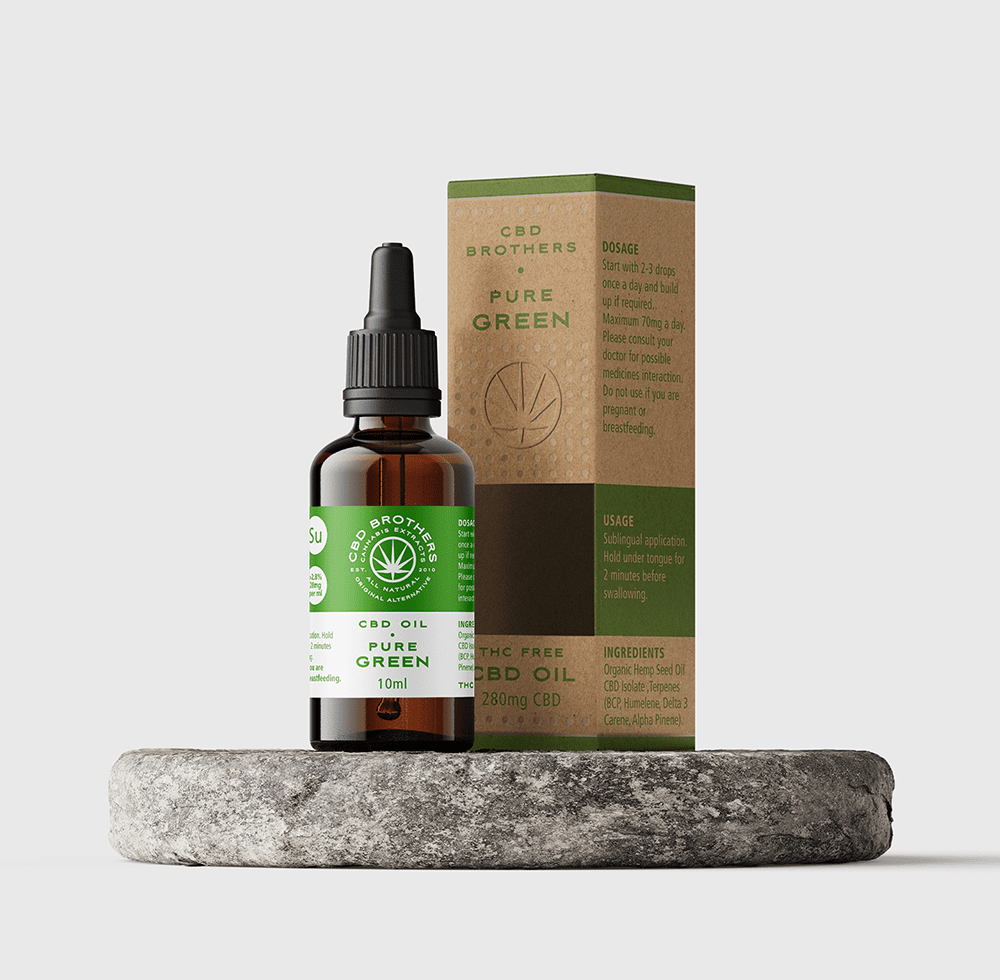
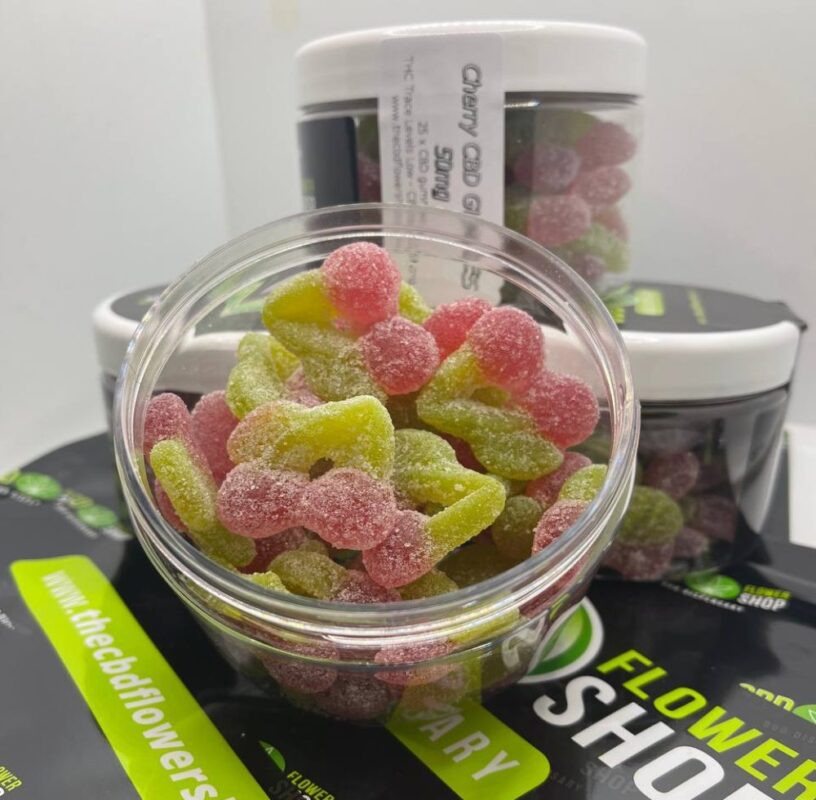
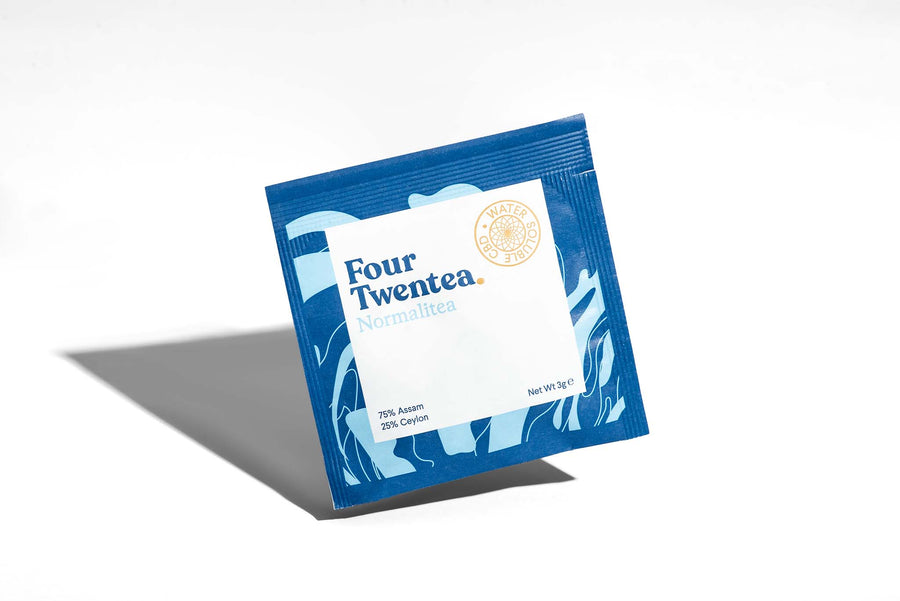
Check the brand, product name, flavour, pack size and concentration against the details agreed with the seller. A bottle with a similar design may be a different strength; a capsule or gummy may have a different amount per unit. Check the full description rather than relying on the colour of the carton.
For a set, identify every item individually and check any included sizes or variants. If a substitution was discussed, compare the delivery with the substitution you actually agreed, including its ingredients. Do not assume that a different flavour or format has the same recipe, allergen information or directions.
Inspect the packaging before using the contents
Look for leakage, obvious damage and any seal or closure feature described for the product. Not every pack uses the same seal design, so compare with information for that exact item. Photograph an unexpected condition before discarding outer packaging or opening the primary container.
If you cannot establish that a damaged or leaking item is in the condition intended by the supplier, set it aside and contact the seller. Do not taste it or transfer it into an unlabelled container to see whether the problem is only cosmetic. Keep children and pets away from the product while the question is unresolved.
| Record | Useful detail |
|---|---|
| Selection | Brand, product, variant and order reference |
| Identity | Batch or lot reference visible on the pack |
| Condition | Clear photographs of the relevant packaging |
| Question | What differs from the confirmed product or instructions? |
Read the current ingredients and intended use
Read the label on the delivered product, even if you checked an ingredient list online before ordering. Formulations and packaging can change. For food products, review the full ingredients and allergen information; for cosmetics, check that the intended external use matches the product you expected.
If you rely on a dietary or allergen statement, recheck it for each delivered variant. Vegan and allergen-free communicate different information. When the pack and information supplied before ordering do not agree, ask the seller to resolve the discrepancy before you use the product.
Find the dates, directions and batch reference
Locate the printed date and any instructions about use after opening. Read the storage conditions before deciding where to put the product. If an opening date needs recording, keep your note separate from the original information so that you do not cover the batch or instructions.
The batch reference also helps connect the delivered item with any supporting documentation. A report should not be assumed to apply simply because the brand name matches. If a document is available, check the product and sample details; if the connection is unclear, ask for an explanation.
Send a clear, narrow question
Include the order reference, product and variant, batch reference and a short account of what you have noticed. A photograph of a damaged closure or an inconsistent label is more useful than a general statement that the product looks wrong. Keep the packaging until the seller has explained the next step.
Use the retailer’s current contact and delivery information rather than sending a product to an address found on an old leaflet or an unrelated website. This checklist does not decide a return outcome or diagnose a product defect; it helps you preserve the information needed to investigate a specific delivery.
Delivery-check questions, answered
Should I open a product which appears to be the wrong strength? Set it aside and ask the seller to confirm the identity before using it. Similar packaging does not establish that the variants are equivalent.
Can a website photograph replace a missing label? No. The actual product needs its relevant information. Ask the supplier for clarification rather than identifying contents from a picture.
What should I keep after unpacking? Retain the pack, batch reference, instructions and order details. For an unresolved issue, keep the relevant outer packaging and photographs too.
Primary references
Read the original guidance
General information, not personalised medical or legal advice. Product and regulatory details can change. Read the exact product label and current source guidance.