Find the instructions before choosing a place
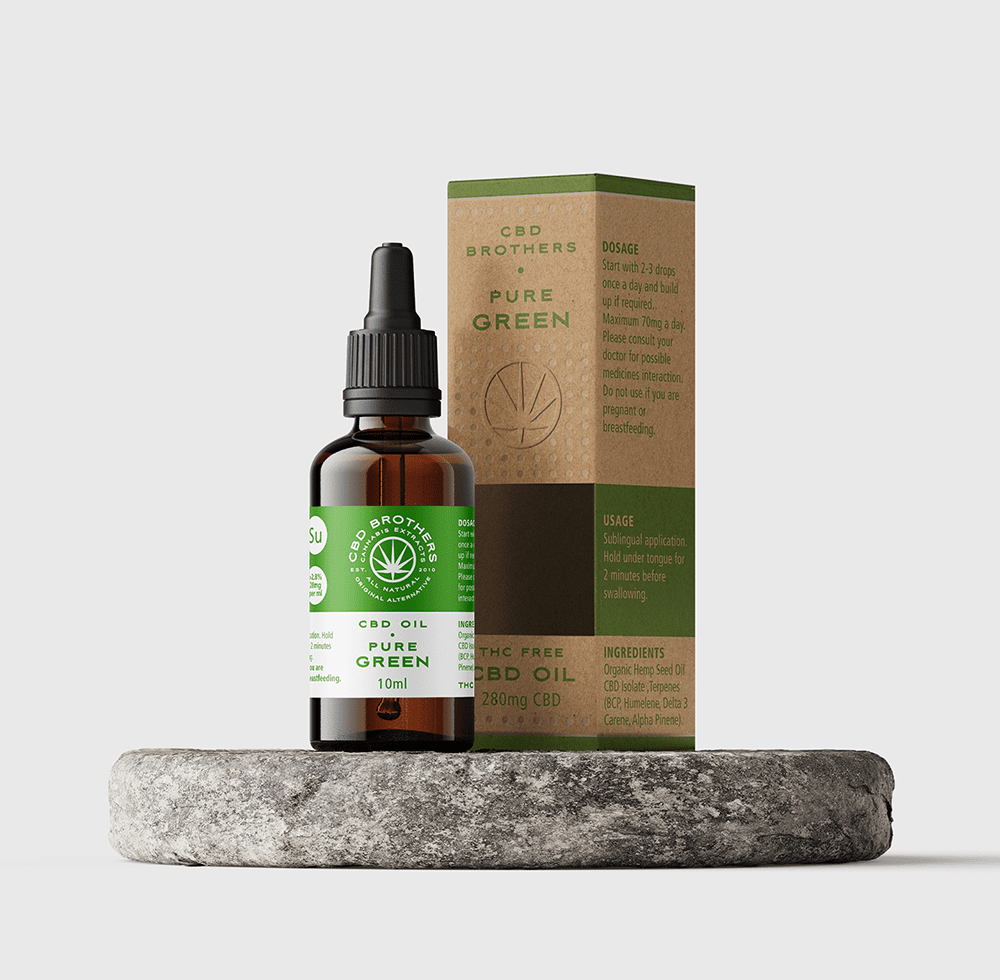
Look over the bottle, outer carton and any supplied leaflet. Note the storage wording, date marking and any separate instruction beginning with “once opened”. If a pack refers you elsewhere for the date, find it while the packaging is still together.
UK food-labelling guidance includes special storage conditions and necessary use instructions among the information that belongs on a food label. A product page can help you compare, but keep the current physical label available rather than relying on a remembered description from an earlier purchase.
Reference: GOV.UK: food-labelling information (opens in a new tab)
Keep the useful parts of the packaging
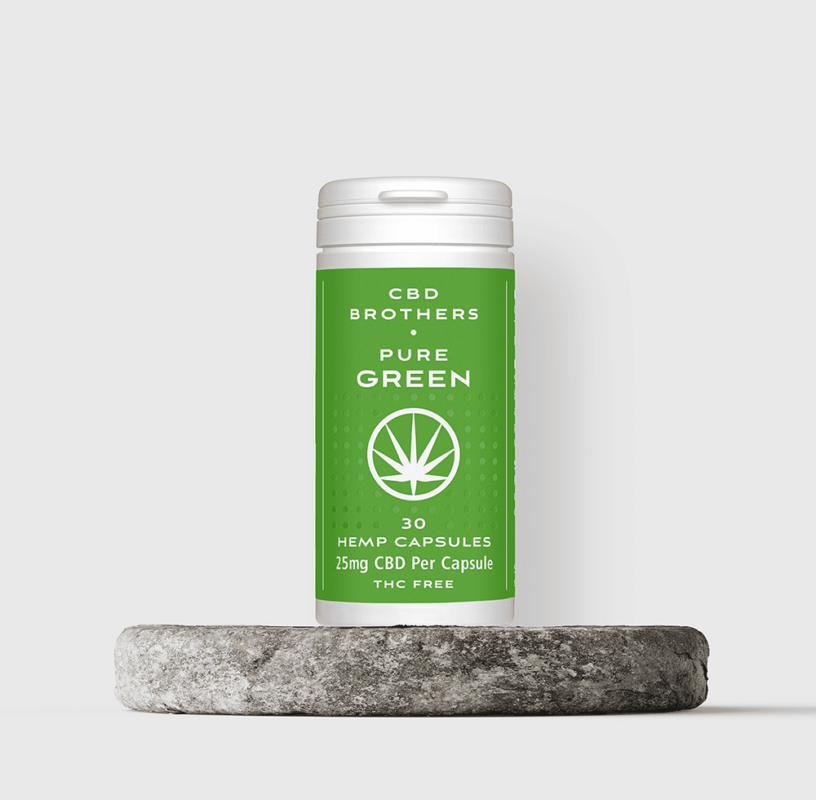
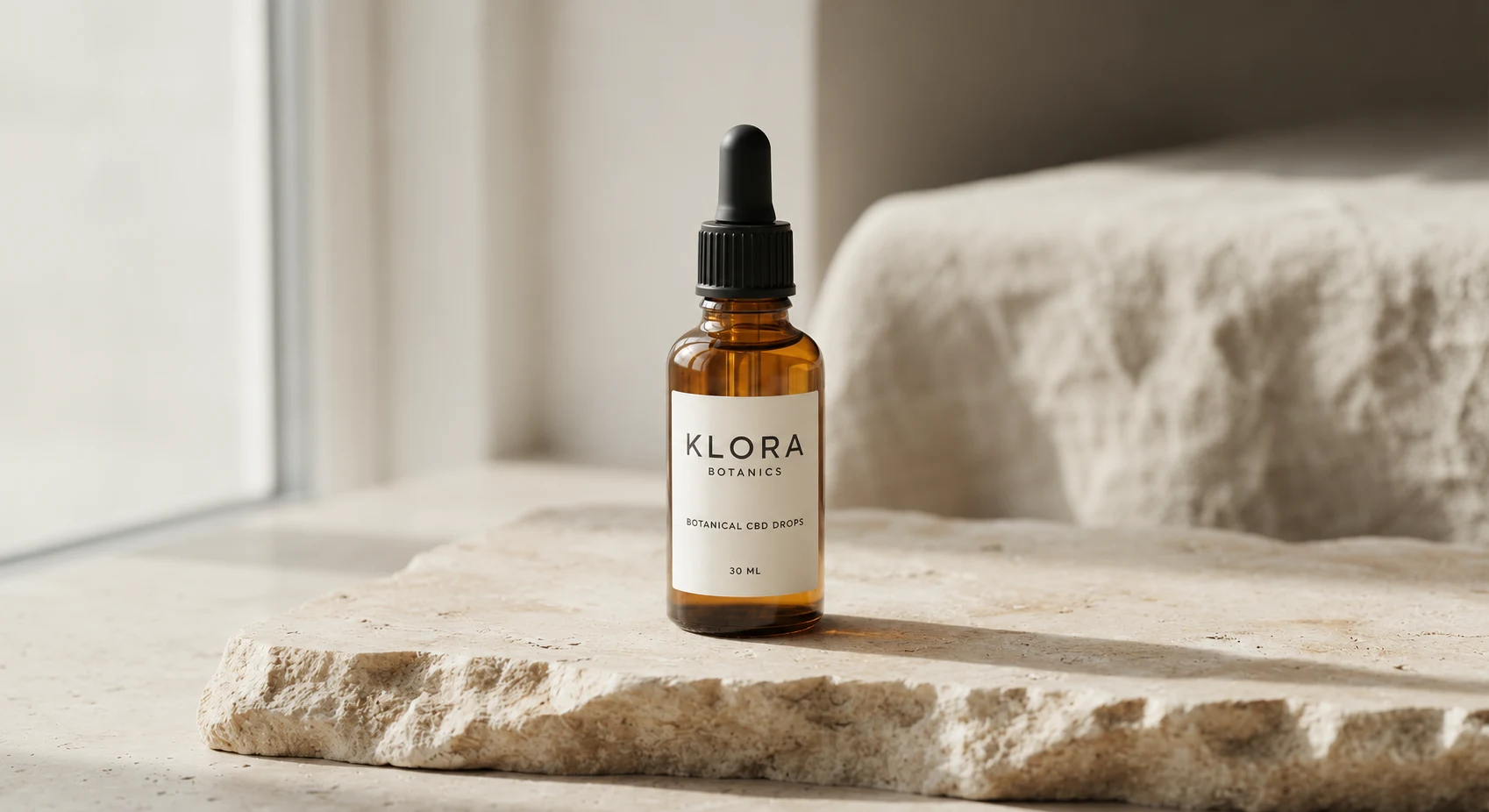
The original container keeps the product name, ingredients, concentration and batch reference together. Keep its carton if important information is printed there. Decanting an oil into an unmarked bottle makes it harder to establish what it is or answer a supplier’s questions later.
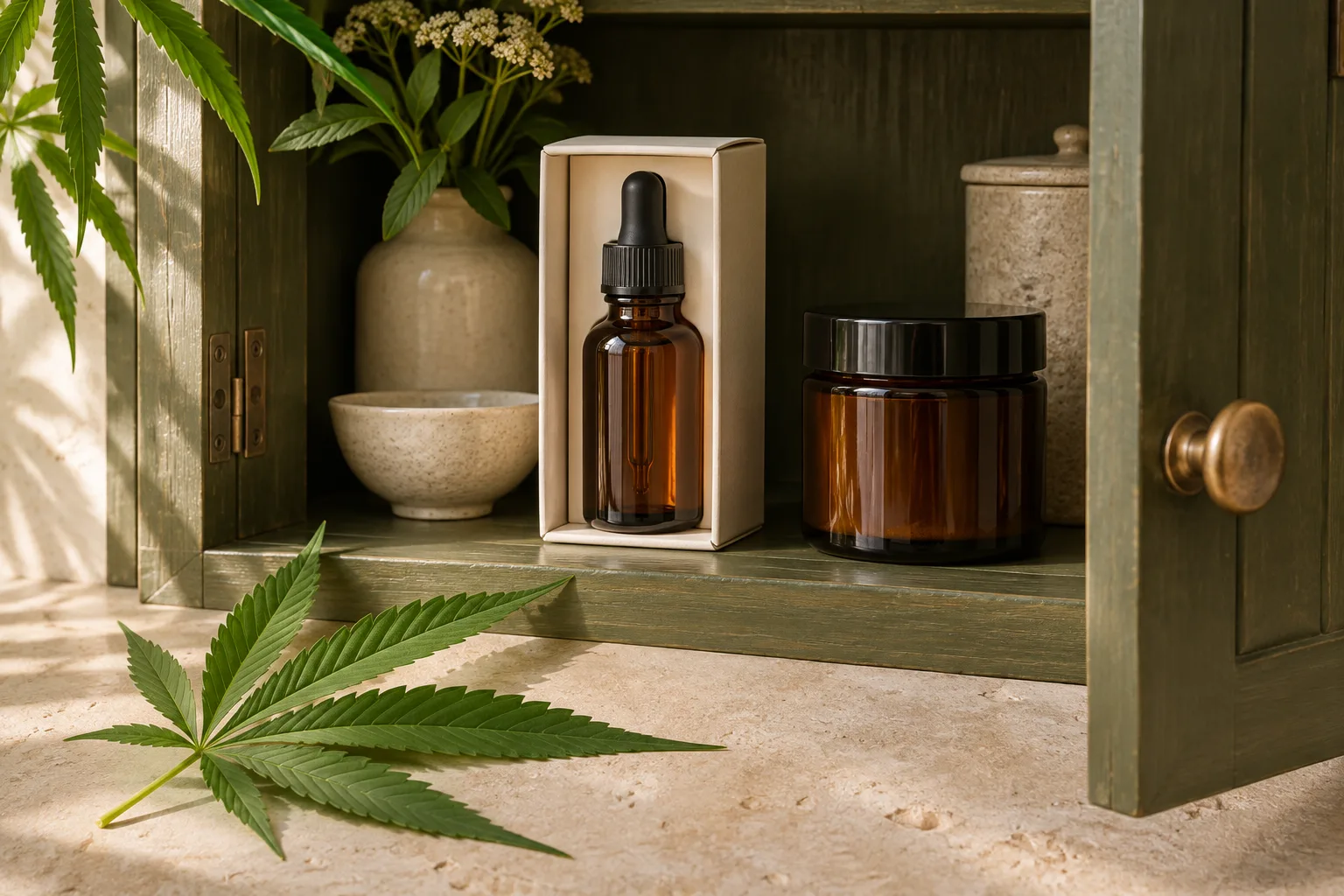
Check that the closure fits properly after use. Keep the supplied measuring device with the correct product, and follow any instructions for cleaning it. A tidy tray can help separate food products from cosmetics, especially when several amber bottles look similar.
Make opening dates easy to remember
If the label gives an after-opening period, write the opening date on a removable sticker without covering the original information. A phone note can work too: include the product name and batch rather than just “oil opened”. Check that note before opening another bottle of the same product.
An after-opening instruction and a printed date answer different questions. Read both. Neither a calendar reminder nor a cool cupboard extends a manufacturer’s stated period. If the wording is unclear, ask the brand to explain which date or instruction applies to your pack.
Give each format its own place
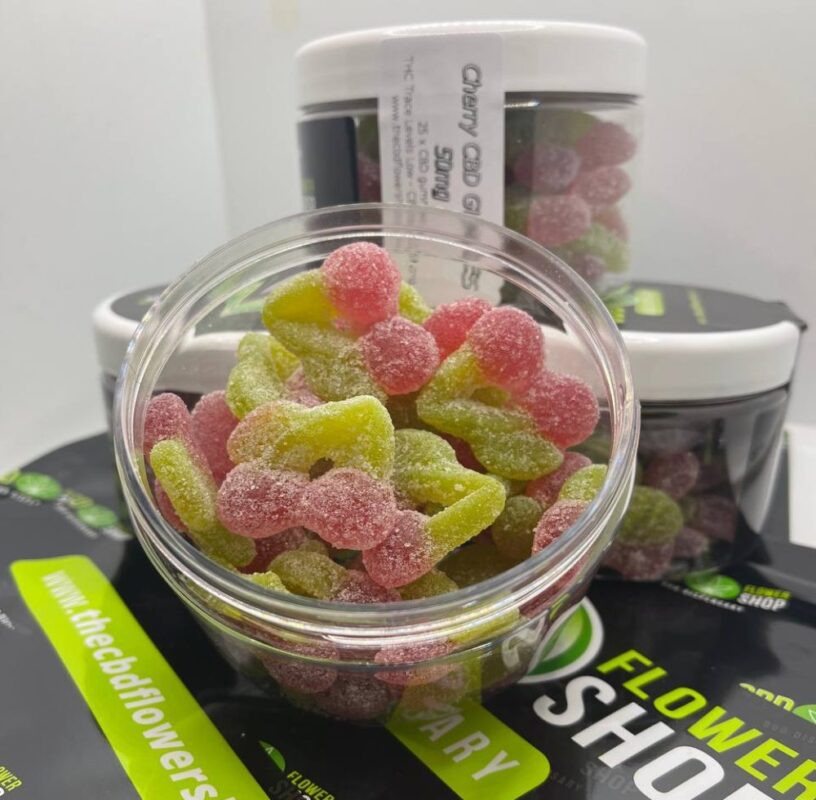
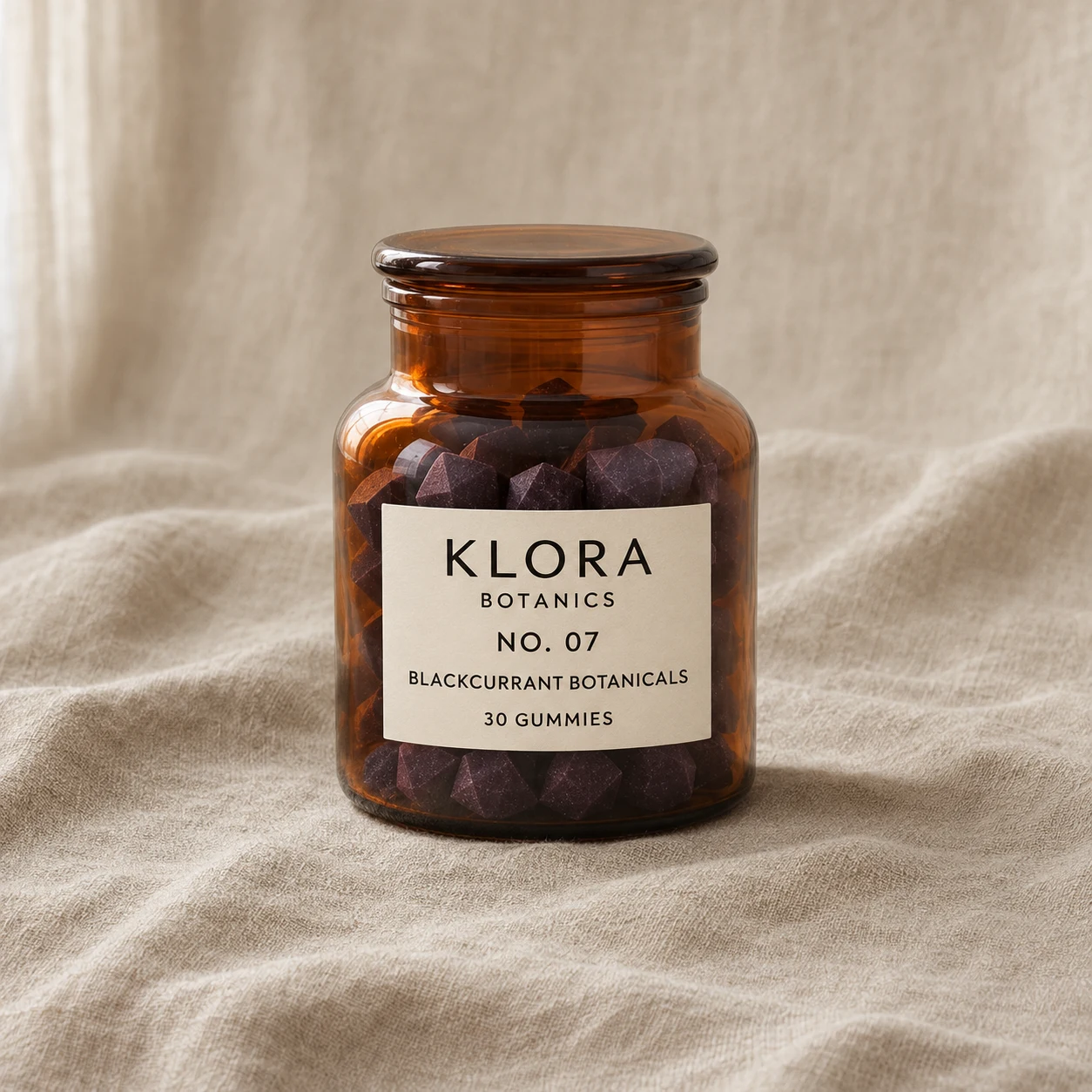
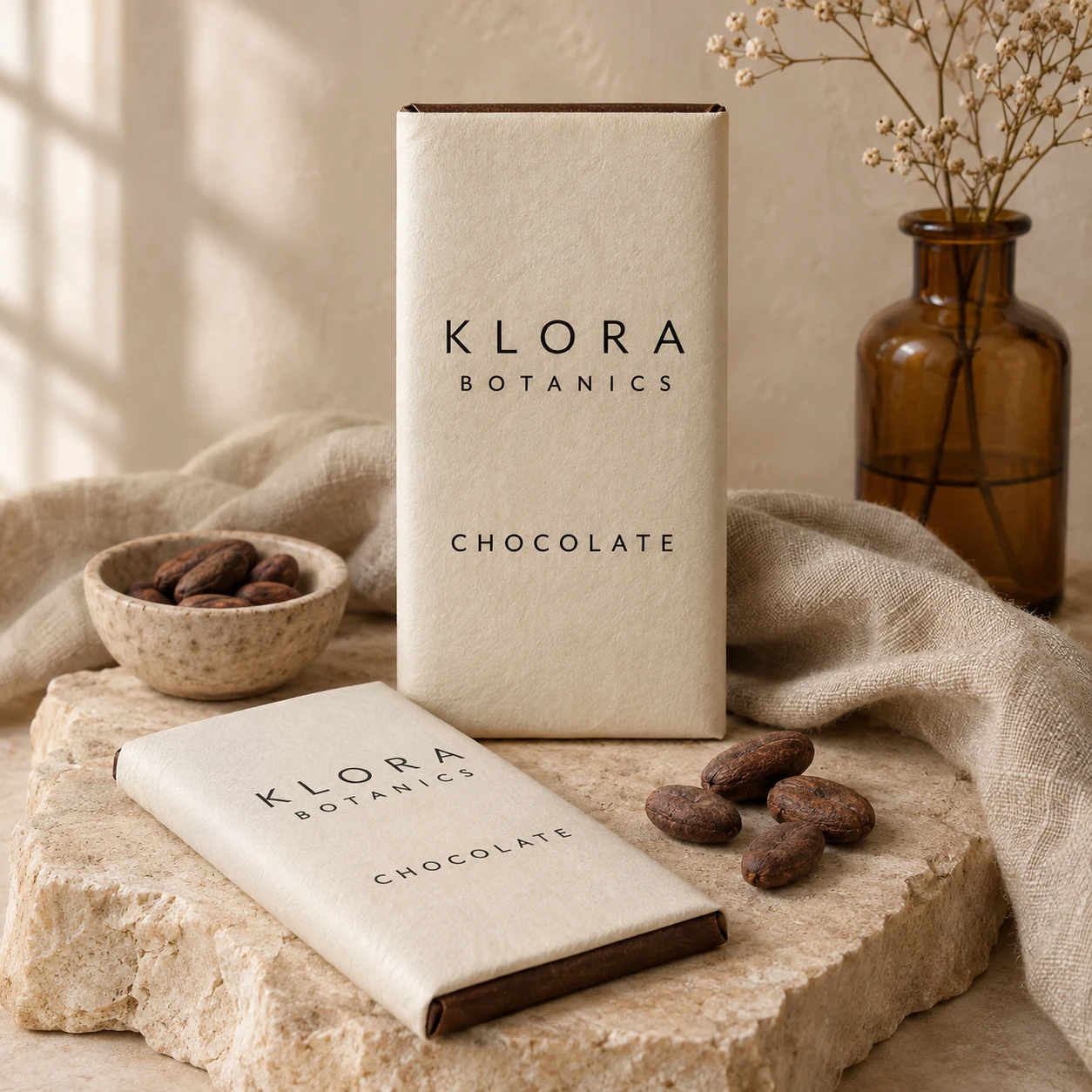
Check a gummy jar’s closure and handling instructions, a chocolate wrapper’s storage wording and a drink’s directions for any remainder. Do not move all CBD products into the fridge simply because one opened drink needs refrigeration. Food Standards Scotland explains that date guidance depends on following the stated storage conditions.
For skincare, follow the cosmetic label and keep it clearly separate from anything intended to be swallowed. CBD on the front of two products does not make their uses or care instructions interchangeable. Keep all products away from children and pets.
Reference: Food Standards Scotland: dates and storage conditions (opens in a new tab)
Questions you may have
Should CBD oil go in the fridge? Check the exact bottle’s instructions. A general online recommendation cannot establish what is appropriate for every carrier oil, flavouring or formulation.
Can I keep a bottle in my bag? Consider whether the journey and destination meet its storage instructions. Keep it closed and labelled, and avoid choosing a location where you cannot maintain the required conditions.
What if the label is missing? Set the product aside and contact the supplier with any remaining order or batch details. Do not identify its contents or storage needs from the bottle colour alone.
Primary references
Read the original guidance
General information, not personalised medical or legal advice. Product and regulatory details can change. Read the exact product label and current source guidance.