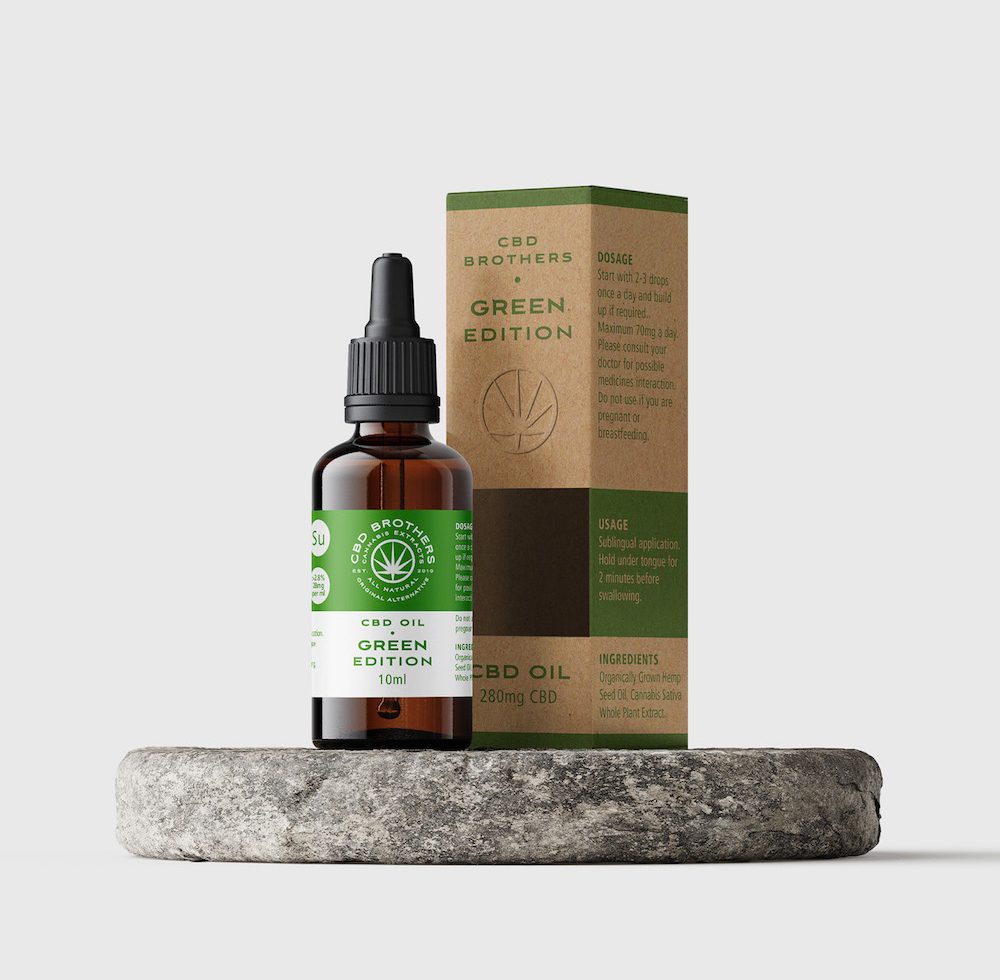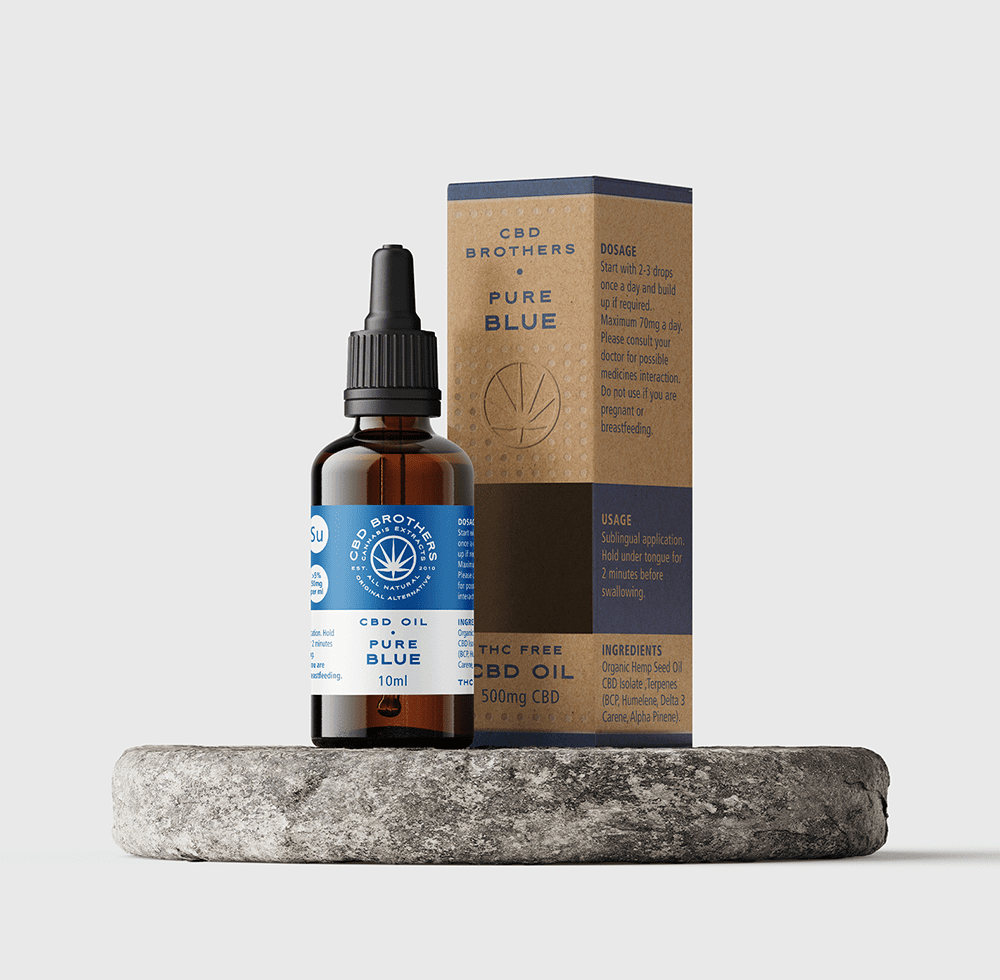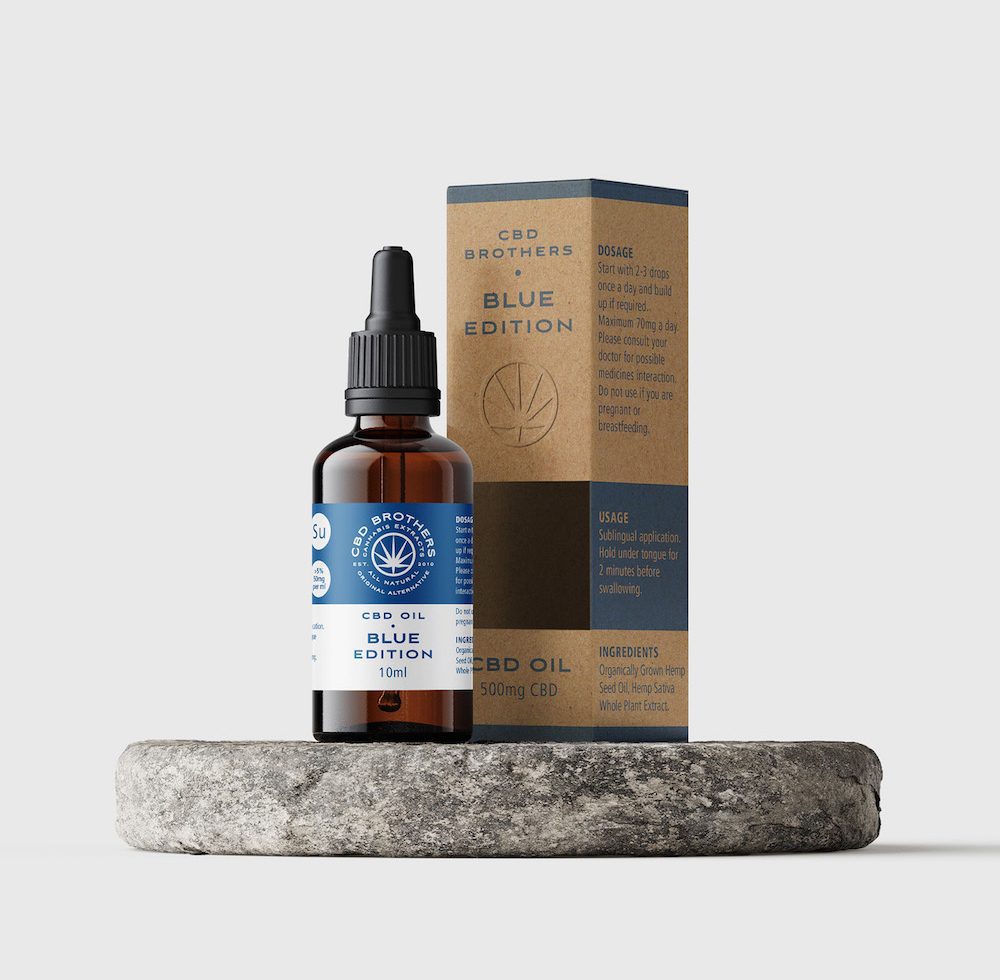
Read the words next to the date
Food Standards Scotland distinguishes a use-by date, which concerns safety, from a best-before date, which concerns quality. Food should not be eaten after its use-by date even if it looks or smells normal. A best-before date has a different meaning and must still be read alongside the storage instructions.
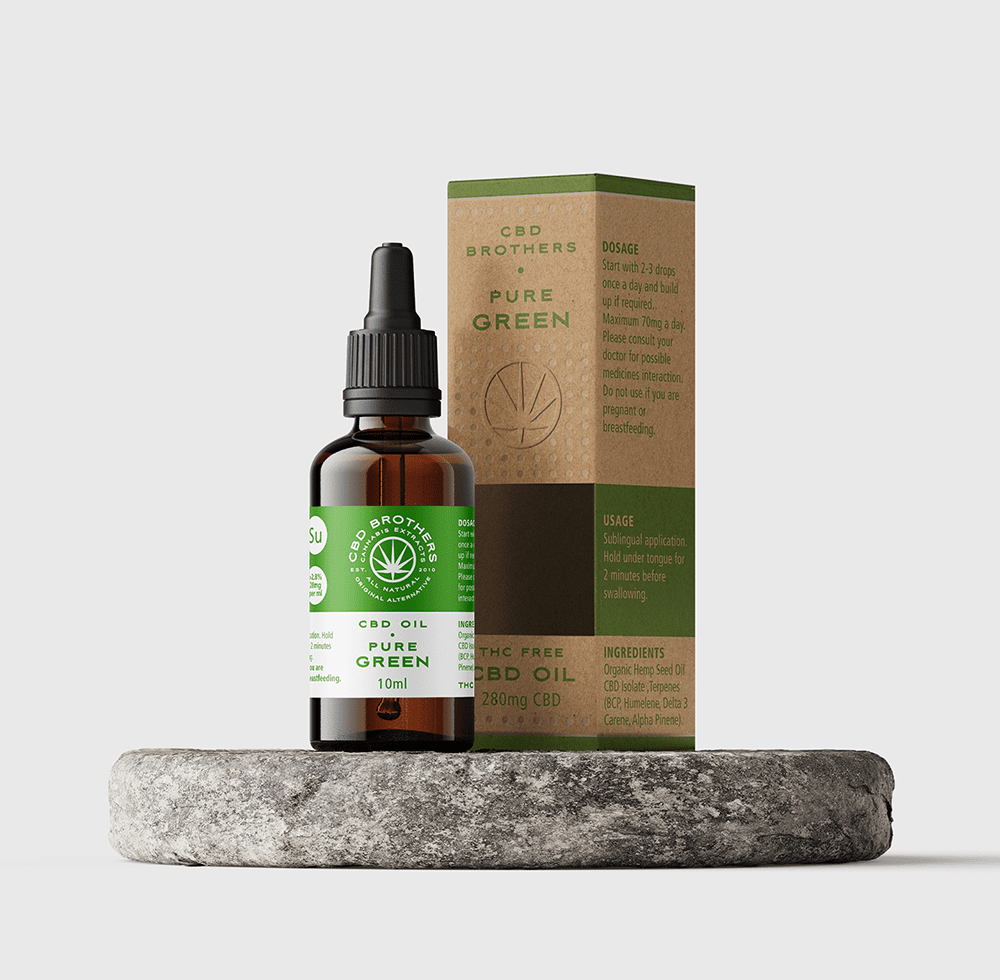
Check whether the mark you found is actually a date. A batch code or manufacturing reference is not automatically an expiry instruction. If the date is printed on the carton rather than the bottle, keep the two together. Ask the manufacturer to explain a code instead of guessing its format.
Reference: Food Standards Scotland: use-by and best-before dates (opens in a new tab)
Check what changes after opening
Look for a separate period or instruction that applies after opening. If one is given, the printed date on an unopened pack is not the only detail to consider. Record the opening date when you first use the product so that you do not have to reconstruct it months later.
There is no single after-opening period stated here for all CBD oils. The carrier, other ingredients and packaging differ. A timetable from another brand, or even an older version of the same product, should not replace the directions for the bottle you actually have.
Consider the bottle’s history
A useful check includes where the bottle has been kept, whether its cap and seal are intact, and whether anyone transferred the contents into another container. Make a note of anything that does not match the label’s storage directions. “Still in date” cannot answer a question about unknown handling on its own.
If you cannot establish what is inside, when it was opened or which instructions belong to it, set it aside while you contact the supplier. Avoid mixing an uncertain remainder into a new bottle: that loses the distinction between two batches and two storage histories.
Do not turn appearance into a potency test
Colour, flavour and texture are not measurements of CBD content. Nor does a stronger taste demonstrate a higher concentration. If an oil looks or smells different from the manufacturer’s description, ask for advice about that exact product and batch rather than trying to calculate what remains from its appearance.
The useful information to send is simple: the full product name, date wording, batch code, when it was opened, storage history and a clear photograph of the label. A laboratory report also needs to match the product and batch; it does not automatically describe an old bottle after unknown storage.
Questions you may have
Does every CBD oil last two years? Do not use a general two-year rule. Read the shelf-life and after-opening information supplied for the finished product.
Can I take extra because an older oil might be weaker? No. Age is not a reliable concentration measurement, and it does not provide a basis for increasing an amount.
Does a best-before date guarantee the CBD figure afterwards? The distinction between quality and safety dates does not verify a particular cannabinoid concentration. Ask the manufacturer about the exact bottle rather than making that assumption.
Primary references
Read the original guidance
General information, not personalised medical or legal advice. Product and regulatory details can change. Read the exact product label and current source guidance.