Check that the product belongs in food
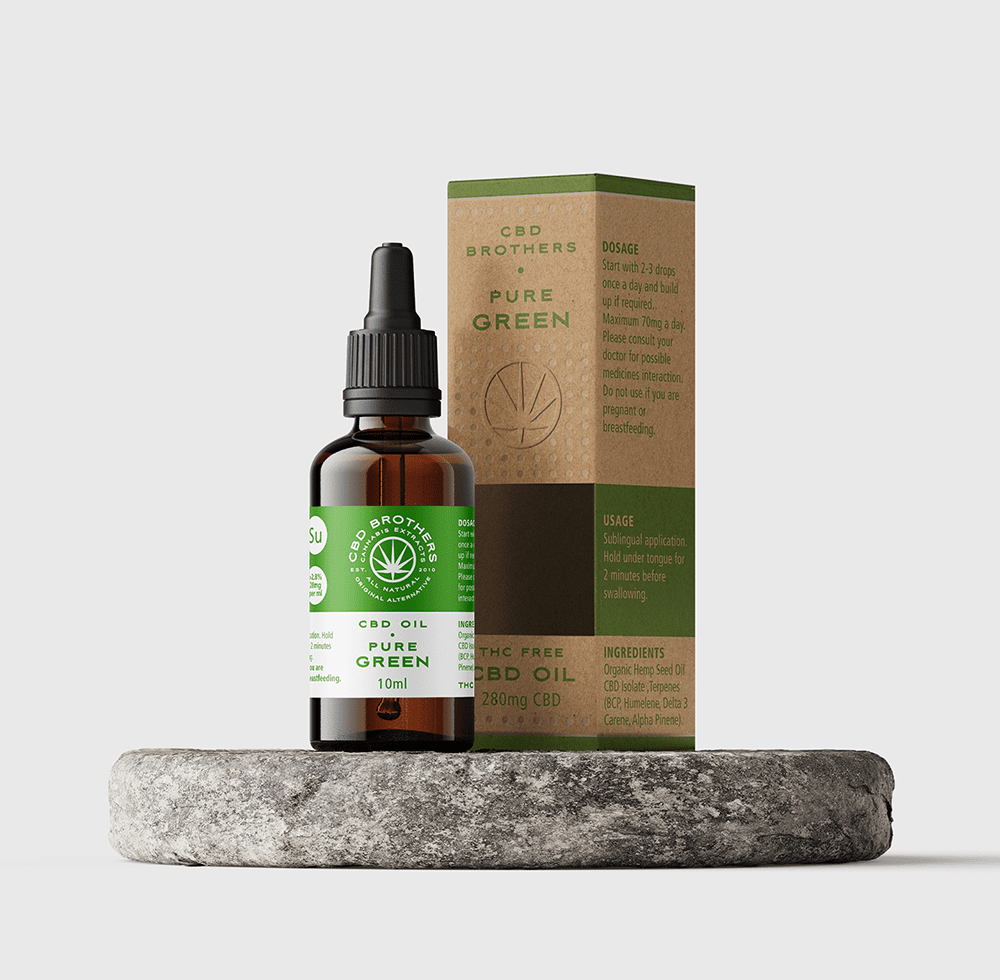
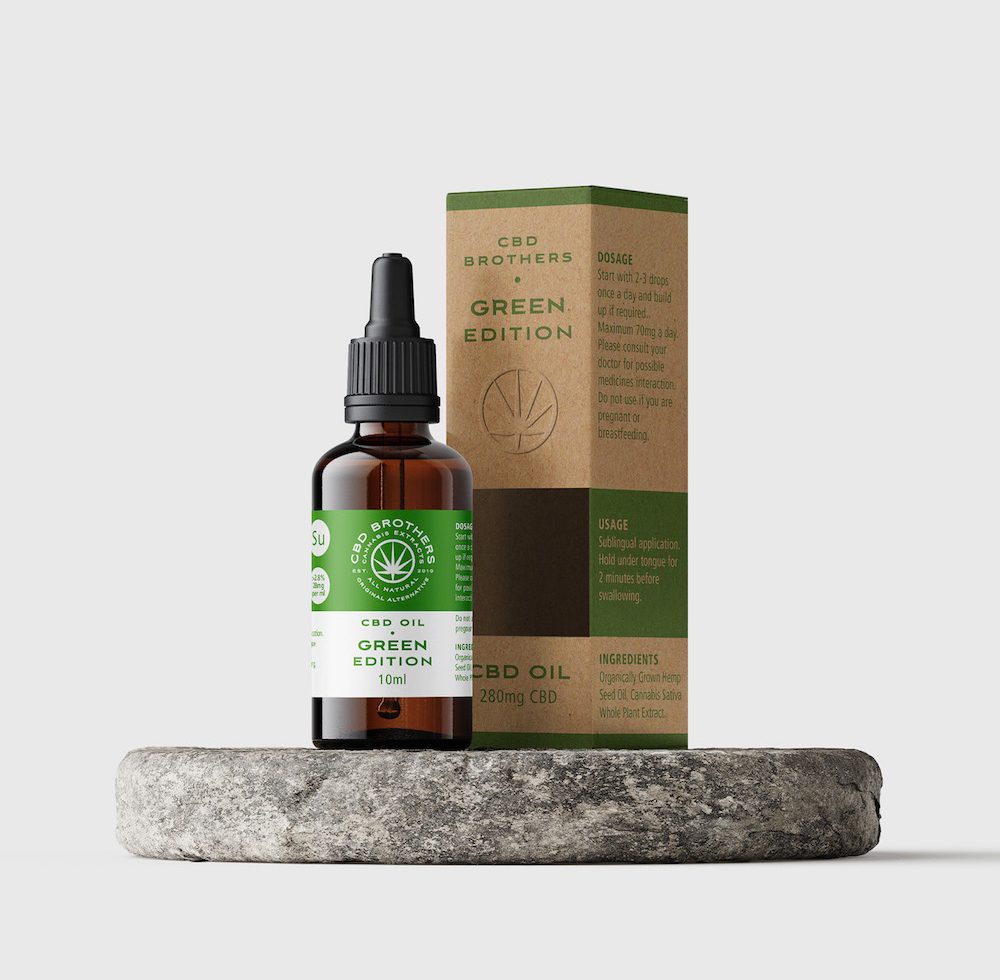
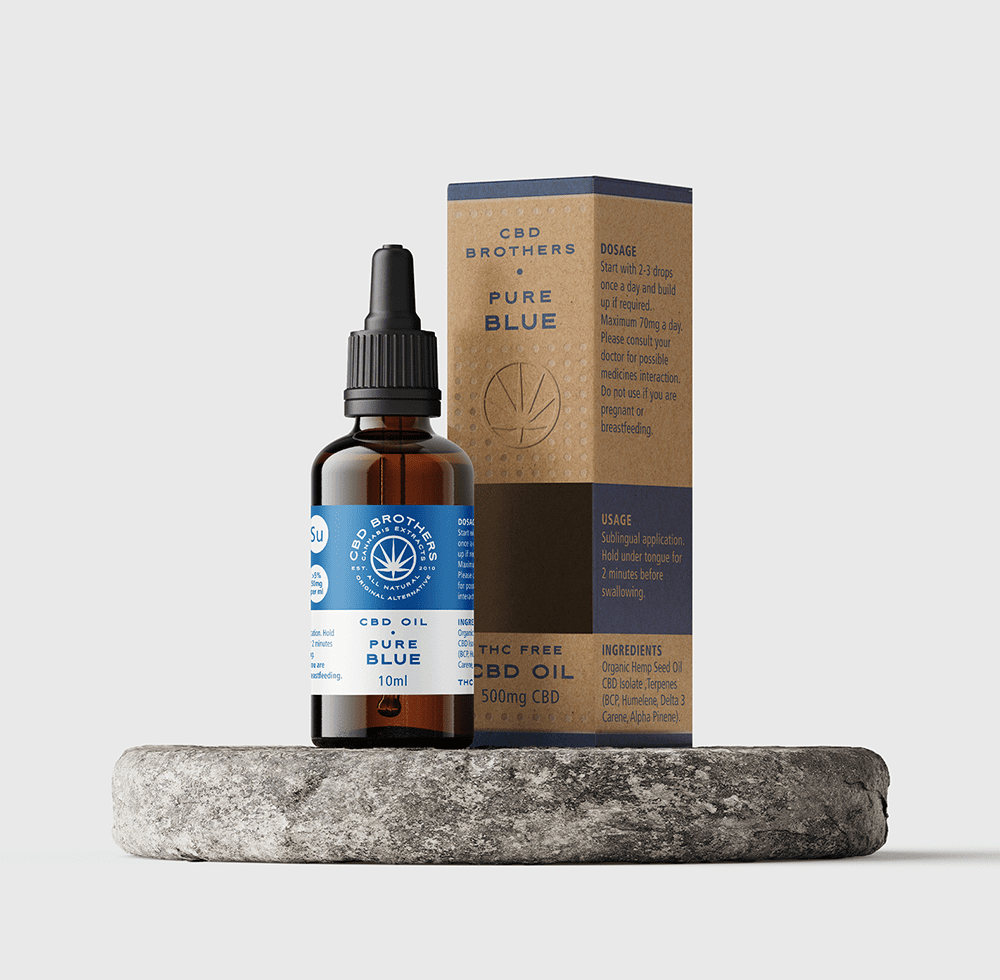
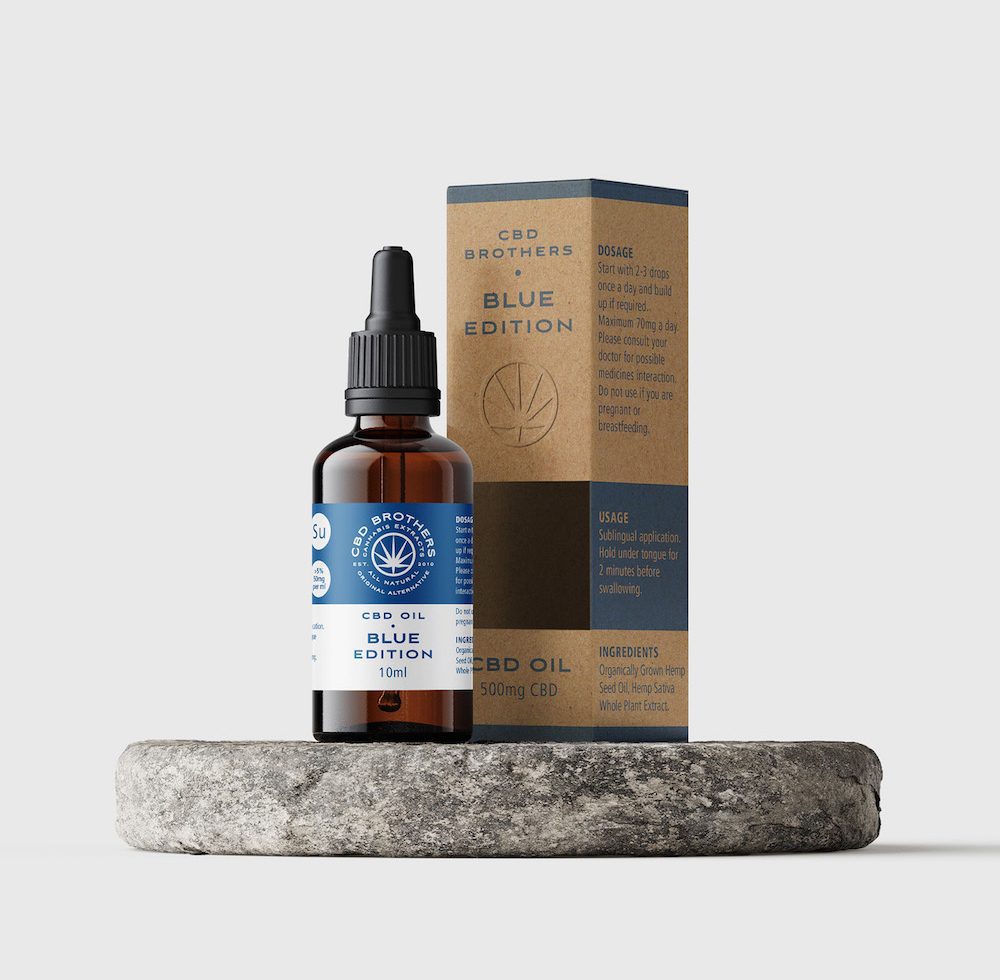
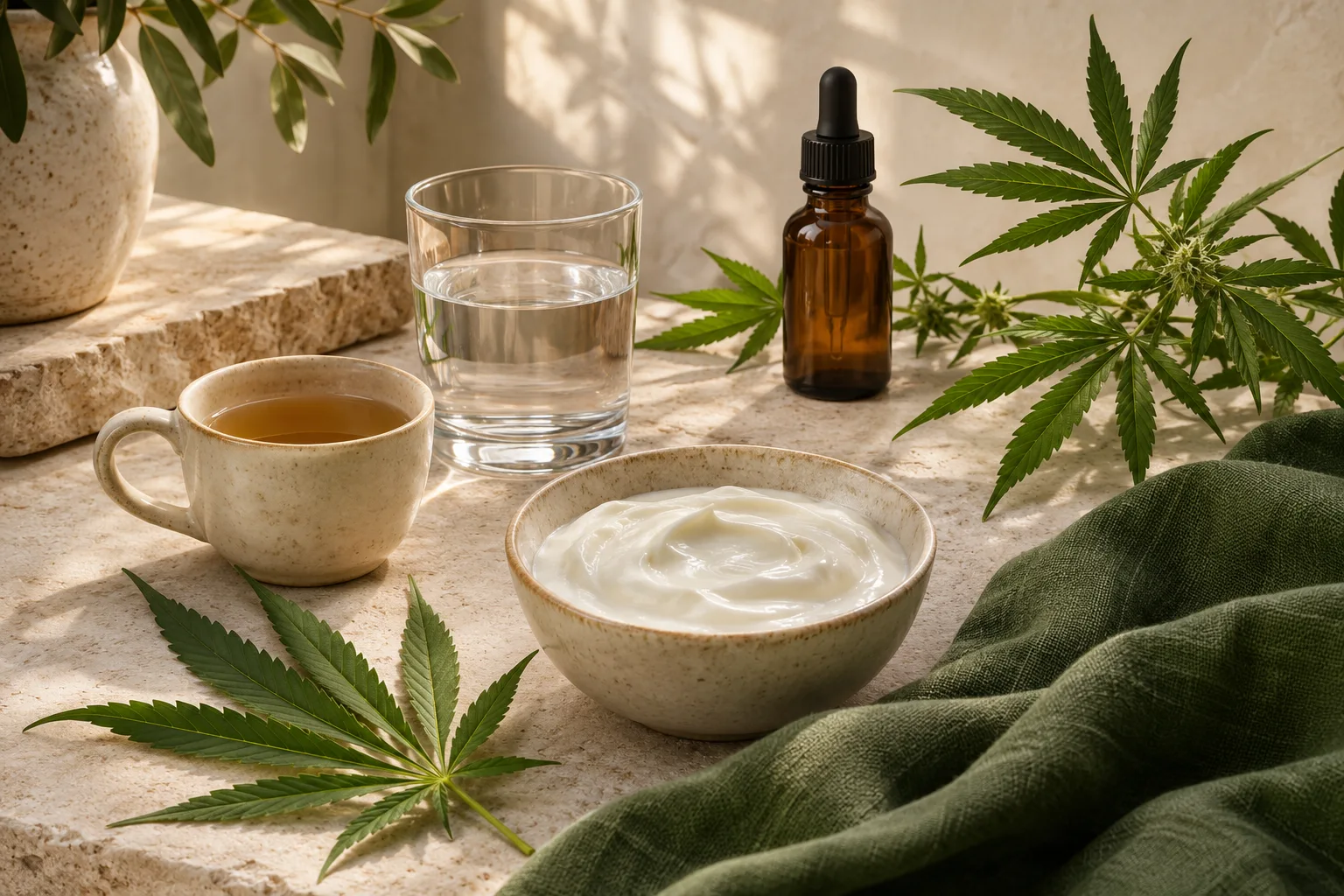
Read the intended use on the complete label. An oil for facial care or massage is not a food ingredient, even if its bottle resembles an oral CBD oil. Do not use a shared ingredient name to transfer instructions between the two.
For a food product, look for directions covering the proposed use: taken as supplied, mixed into a drink or used in another stated way. UK food-labelling guidance includes necessary instructions for use. If the label does not explain the preparation you have in mind, ask the manufacturer before improvising.
Reference: GOV.UK: food-labelling information and use instructions (opens in a new tab)
Read the preparation as carefully as the flavour
Check whether the directions specify a cold or hot drink, a particular mixing method, or shaking the product before measuring. A coffee suggestion from another brand does not establish the method for your bottle. There is no universal cooking temperature or holding time supplied by this guide.
Ask what the prepared product should look like if that is unclear. A clear drink, a cloudy drink and a floating oil layer cannot tell you the CBD amount by themselves. Likewise, a food-pairing suggestion is not evidence that the combination will work faster or have a stronger effect.
Keep the amount added separate from the cup size
The CBD quantity comes from the measured product added. Adding more plain water changes the drink’s volume, not that starting CBD total. Read the concentration and measuring instructions together; a large bottle total is not the amount in every portion.
Use a labelled measuring method rather than an assumed number of drops. Do not assume that dividing an improvised mixture into several cups gives each person an accurately measured share. Our calculator explains the arithmetic for a stated concentration and measured volume; it does not validate a home recipe or choose an intake.
Do not turn mixing into a multi-product routine
The FSA advises healthy adults to limit food CBD to 10 mg a day; this is precautionary advice, not an amount to aim for. Its current business guidance encourages labels warning against multiple CBD intakes on the same day, and says a product providing 10 mg in an individual daily serving should be the only product type consumed that day.
Mixing one product into ordinary food according to its directions is a different question from adding oil to an already CBD-containing drink. Do not treat a change of format as a fresh allowance. If you take medication or have a health concern, speak to a healthcare professional before considering CBD.
Reference: FSA: CBD consumer advice (opens in a new tab) · FSA: CBD guidance, section 7.9 on safety labelling (opens in a new tab)
Questions you may have
Can CBD oil go in hot coffee? Only use a product in a way covered by its directions. Ask about hot-drink preparation if it is not specified; the word oil alone does not answer that question.
Should I take CBD before or after food? Follow the exact product instructions and any professional advice relevant to you. This guide does not recommend using meals to increase absorption.
Can I save a prepared drink for later? Follow the preparation and storage directions for all of its ingredients. Adding CBD does not replace a perishable food’s storage instructions or extend its use-by date.
Reference: Food Standards Scotland: food dates and storage instructions (opens in a new tab)
Primary references
Read the original guidance
General information, not personalised medical or legal advice. Product and regulatory details can change. Read the exact product label and current source guidance.