Ready to drink: read the whole-container figure
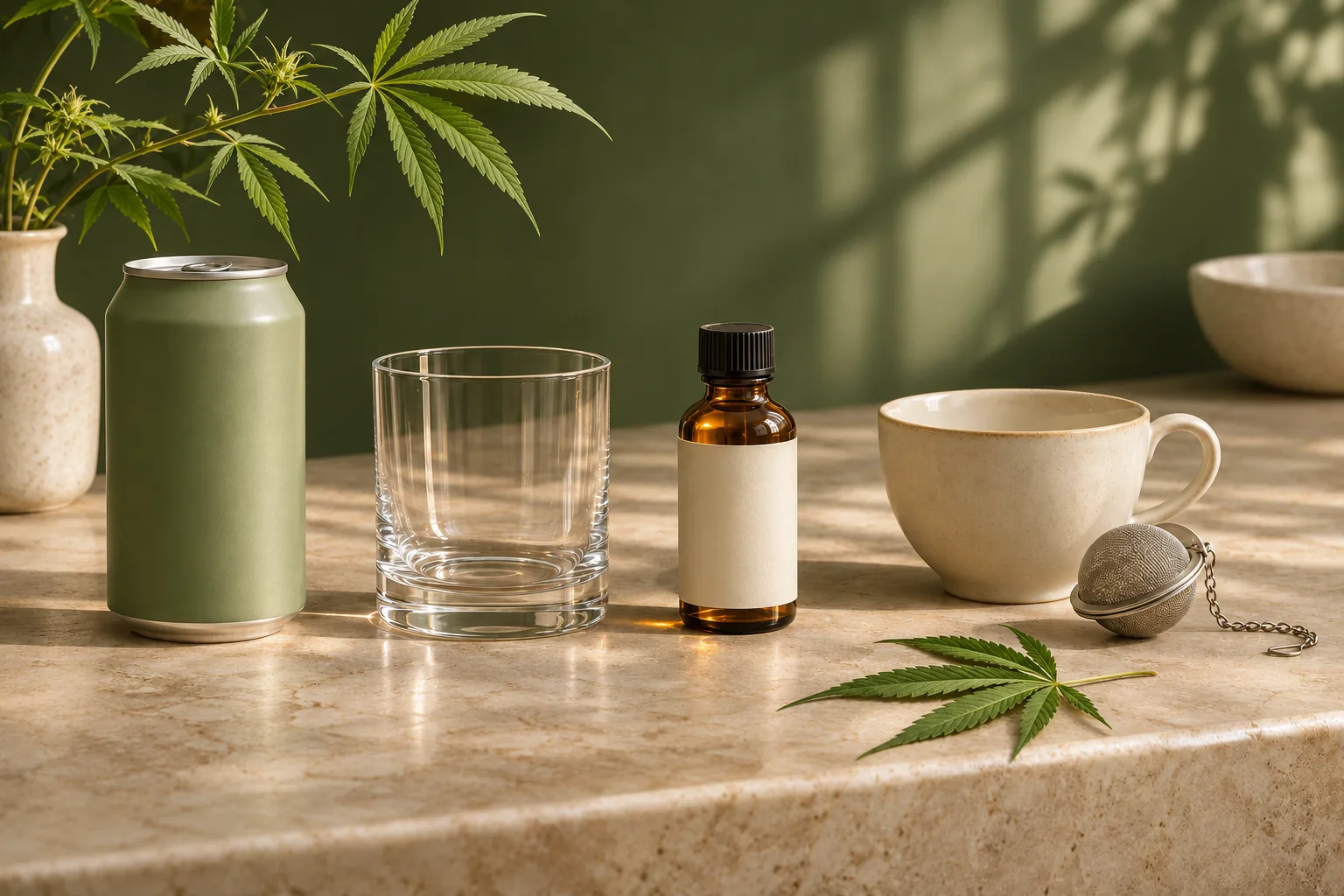
A can or bottle offers a familiar format with relatively little preparation. Check its volume, the stated CBD for the complete container and any separately described portion. If the label presents a figure per 100 ml, do not mistake that figure for the amount in a larger bottle.
Consider the flavour and practicalities together. Would you prefer still or sparkling, citrus or a botanical flavour? Is the container intended to be finished once opened, or are there storage instructions for the remainder? A clearly written page should answer these ordinary drink questions alongside the CBD particulars.
Our own-label Citrus Botanical Sparkling preview describes a proposed 250 ml can containing 5 mg CBD in total. That figure belongs to the whole-can concept; the final formula and supporting records remain to be confirmed. It is not a claim about every CBD drink of the same size.
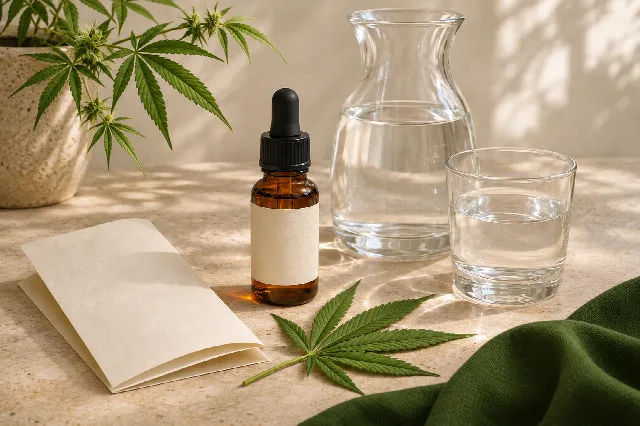
Mixing drops and syrups: check the measured addition
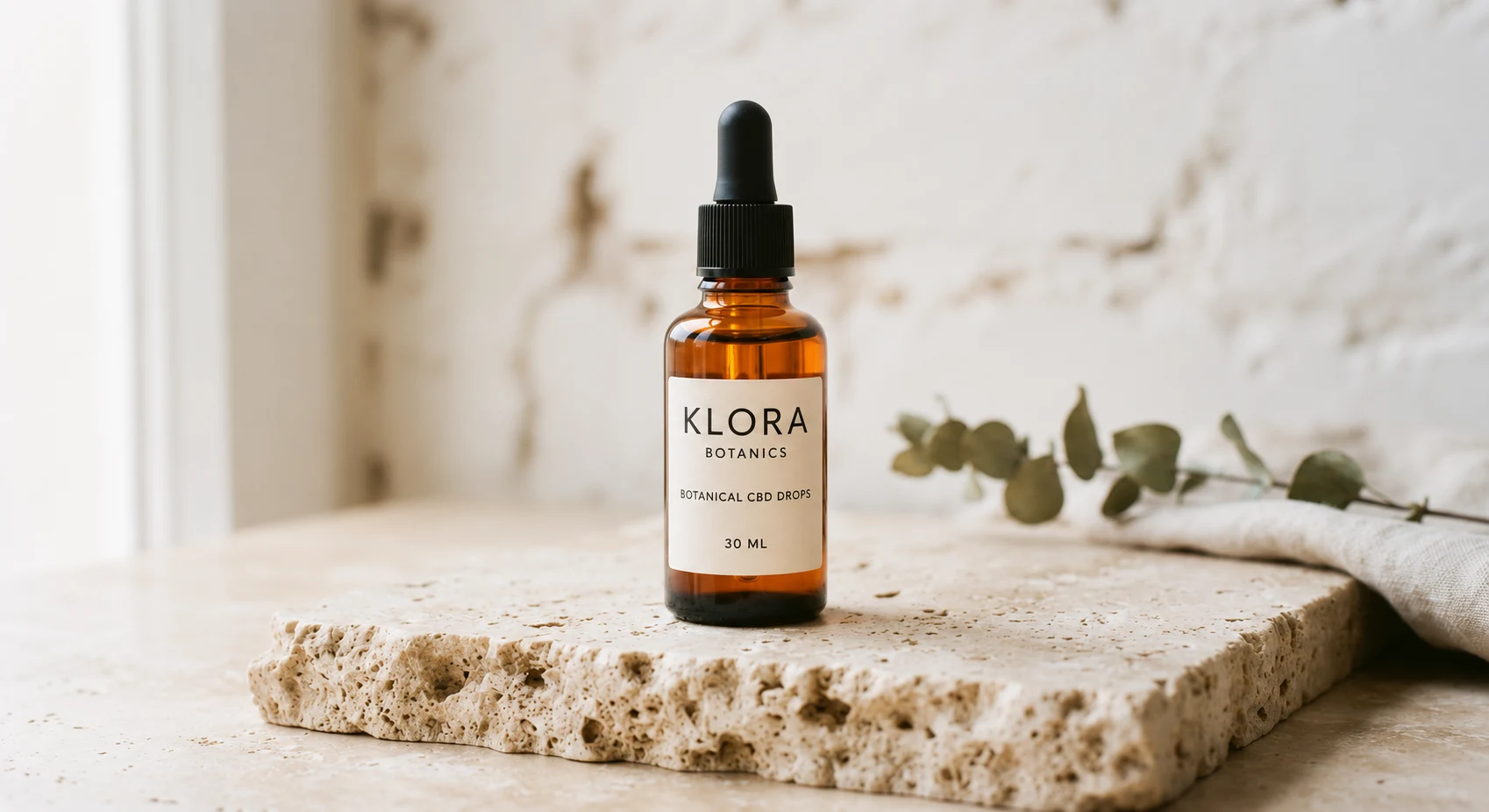
For a liquid added to another drink, the key figure is the CBD in the measured amount added. Look for a concentration in milligrams per millilitre, a specified measuring method and clear preparation instructions. A bottle total alone leaves you doing more work than necessary.
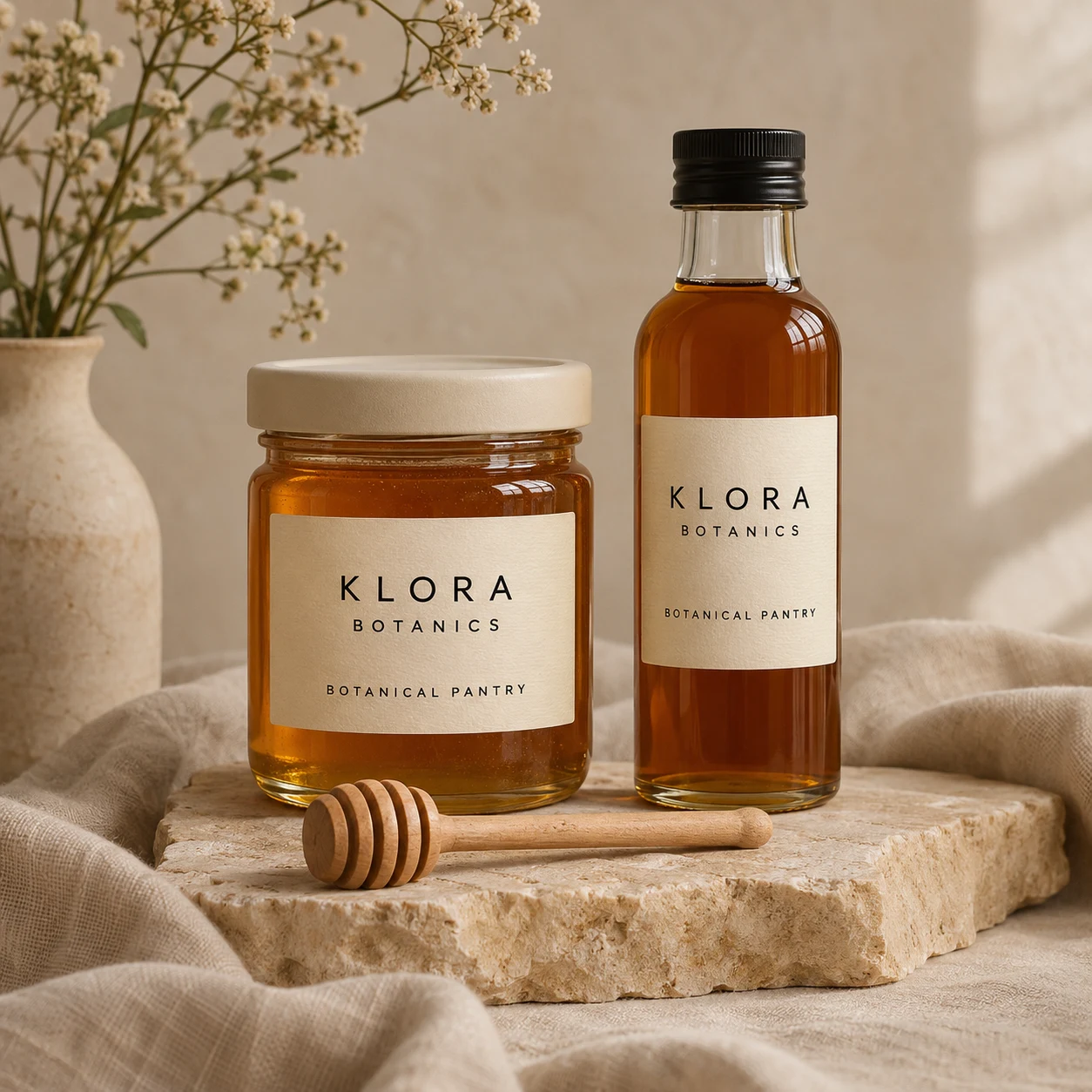
Syrup, honey and emulsion drops need not use the same measuring unit. A honey instruction expressed in grams calls for a weight measurement, while a syrup instruction in millilitres describes volume. An ordinary spoon is not evidence that those two units have been measured accurately.
Diluting a measured addition changes the volume of the drink without changing the CBD amount you added. For example, adding more plain water to the same measured syrup does not create a smaller CBD total. Follow the product’s preparation directions and distinguish the quantity added from any separately validated finished-drink figure.
Tea and coffee: ask about the prepared cup
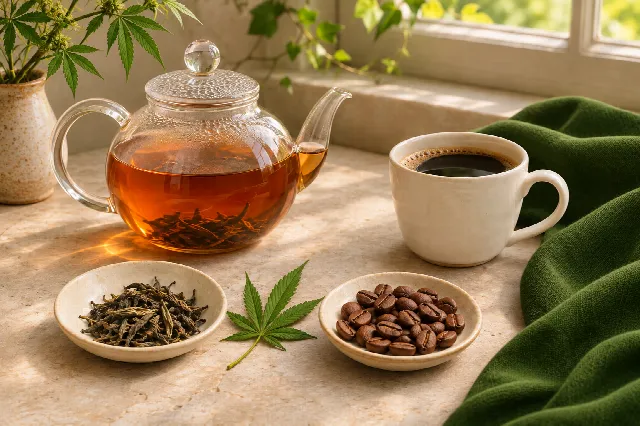
A pack of coffee or box of sachets adds a preparation step between the product label and the drink. Ask what the CBD figure describes: the dry product, a measured quantity used for brewing, or the finished cup prepared according to a specified method.
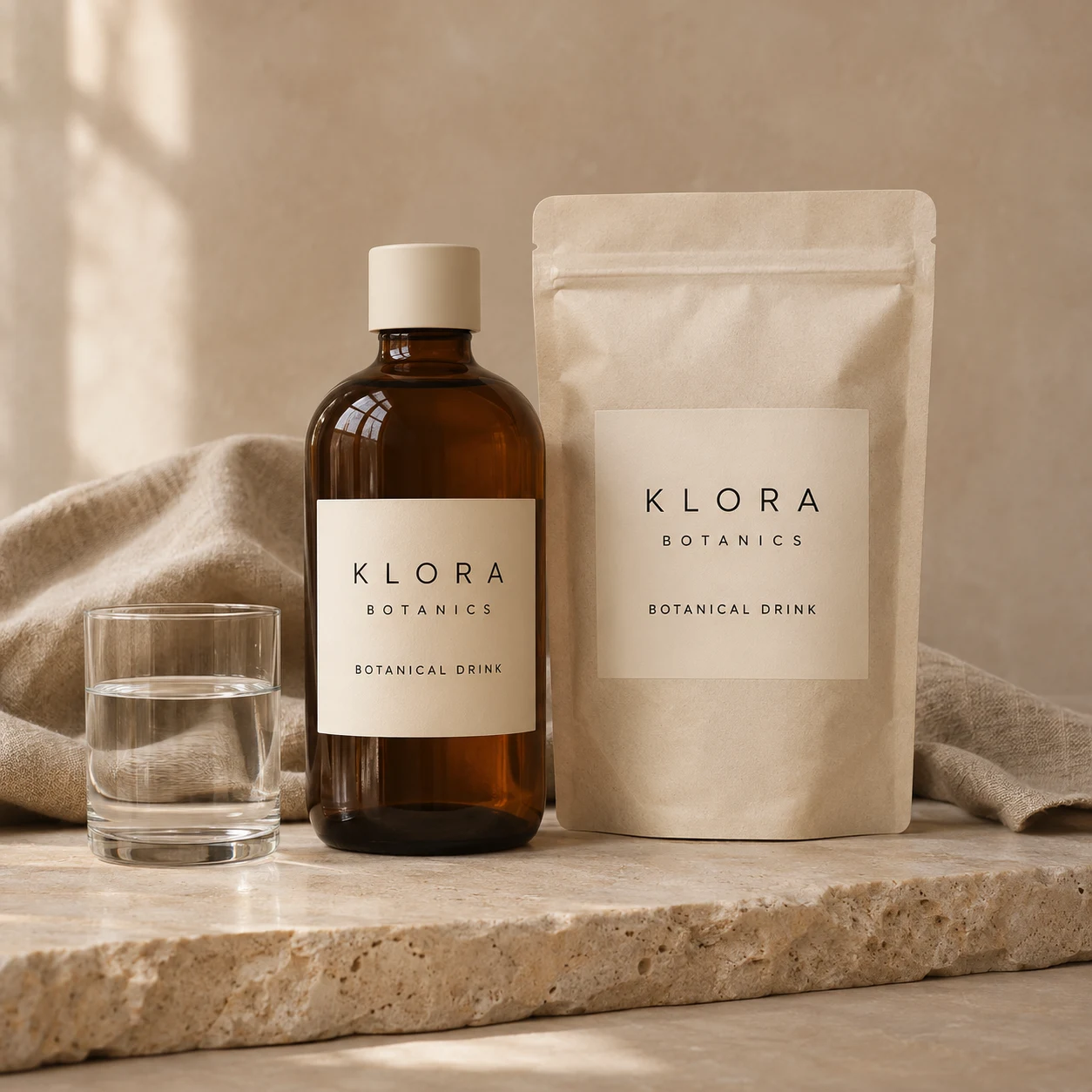
Klora’s own-label coffee and botanical tea concepts currently give proposed dry-product amounts. The amount in a prepared cup has not been established. Dividing a pack total by a number of cups cannot supply that missing validation. The final preparation method and finished-drink information are needed before these concepts can be released.
Choose the base with the same attention you would give any other drink. Read the coffee, tea or botanical ingredients and any caffeine information rather than assuming that every infusion has the same composition. A time-of-day description is a styling choice, not evidence of an effect.
Let the ordinary drink information matter
Look beyond the CBD figure to ingredients, flavourings and the nutrition panel. Compare nutritional values on the same basis, such as per 100 ml, then read any portion information. A small bottle and a large can may use different portions even when their front labels look similar.
If you want an unsweetened drink, check the actual recipe and stated nutritional information. A citrus photograph or the word botanical cannot answer that question. The same applies to caffeine and allergens: use the exact product details, and ask where the page leaves something unresolved.
Compare the finished product and its records
A drink’s flavour, colour or clarity cannot establish its CBD content. Find the product’s batch information and ask which sample any laboratory document describes. A report for an ingredient should not be silently treated as a report for the finished can or brewed cup.
Before choosing any CBD food, read the current suitability and product-status guidance linked below. Keep the labelled quantities from other CBD foods in view when considering a drink. Choosing a different format does not make the information from the rest of your day irrelevant.
Primary references
Read the original guidance
General information, not personalised medical or legal advice. Product and regulatory details can change. Read the exact product label and current source guidance.