Compare the same products and variants
Write down the name, size, flavour and concentration of each included item. Then compare the set with the same versions sold separately, using the prices available at the same time. A different bottle strength or smaller jar can change the calculation even when the product names look almost identical.
A hypothetical example makes the arithmetic clear. If two matching individual items cost £30 and £20, their combined price is £50. A £45 set would save £5 against that comparison, or 10%. These are illustrative figures, not current Klora prices or a claim about a particular offer.
Calculate the cost of the order, not just the box
Include delivery and any relevant charges in the comparison. A lower item price may lead to a different final total once shipping is included. If a promotion applies, check whether it includes sets, whether a minimum spend applies and whether it can be combined with another offer.
An offer can also encourage you to add something you did not intend to buy. Compare the final spend with the cost of the items you actually want. Reaching a delivery threshold is not automatically a saving if the extra product has no place in your original choice.
Klora’s checkout calculates an estimated total in GBP, including any valid promotional code, before you send an order request. Our team must confirm availability and the final total before any purchase proceeds. A displayed price does not reserve stock or promise dispatch.
Keep food and cosmetic quantities separate
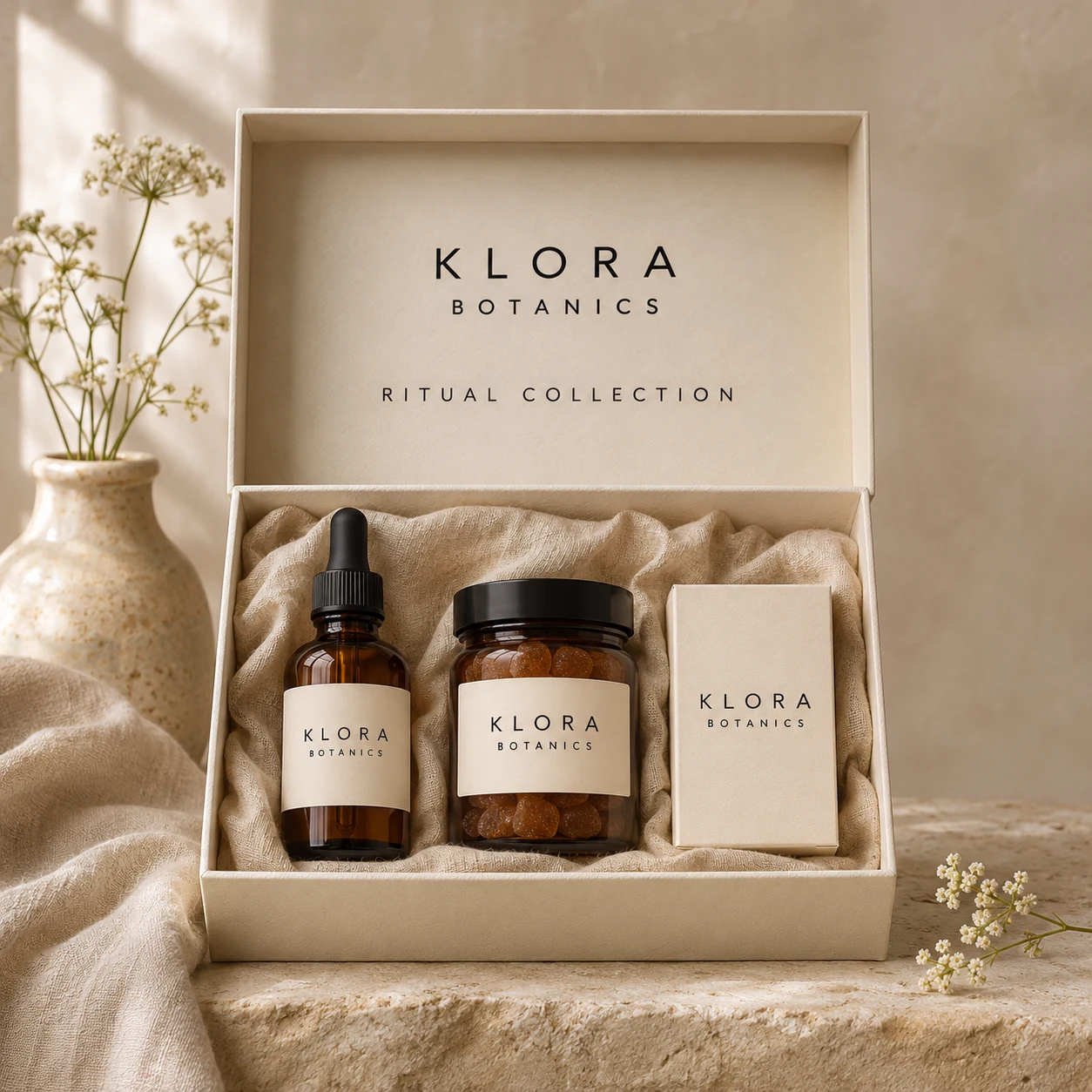
The proposed Evening Botanical Edit contains 500 mg CBD across its drops bottle, 150 mg across its gummy pack and 300 mg across an external-use balm. The useful description is 650 mg across the food components, with 300 mg separately identified in the cosmetic. None of those pack totals is a serving.
Combining them into a single impressive figure hides the different intended uses. It also makes comparison with a food-only or skincare-only set less meaningful. Read each component’s label and keep the unit attached to its quantity. The number across a box should never replace the directions for an item inside it.
Recognise when a unit-price comparison stops helping
Price per ml can help compare similar bottles, while price per piece can help compare matching food formats. But a face oil, a chocolate bar and a capsule pack do not become equivalent because you can divide their prices by total CBD. Their ingredients, packaging and intended uses remain different.
The Concentration Duo concept is a useful example of another distinction: two 30 ml bottles have different proposed CBD totals. Compare the versions by their stated concentrations and exact prices. A more concentrated bottle is not an instruction to use a larger amount, and a lower price per milligram does not establish a better choice for you.
Give presentation its own place in the decision
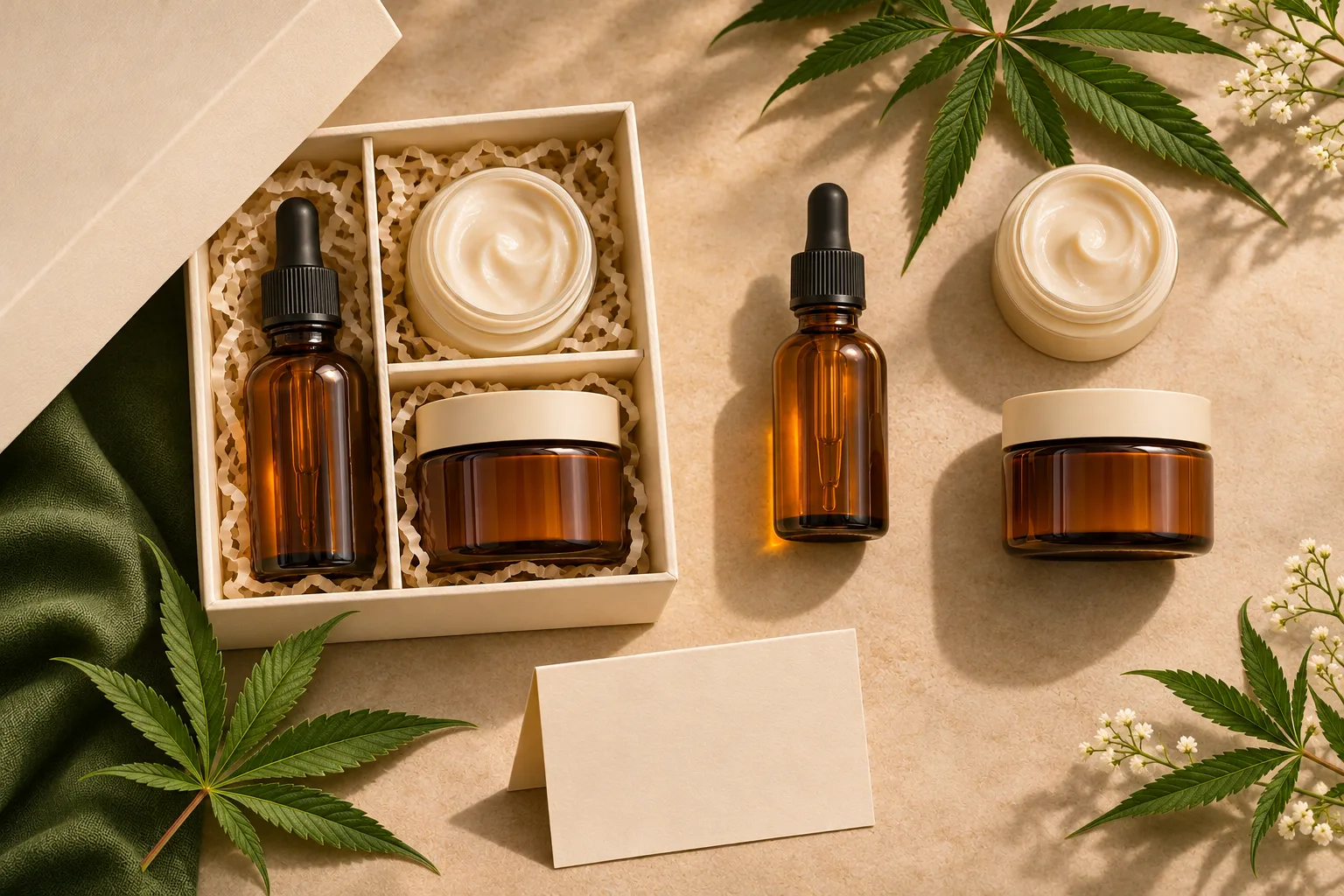
You may value a particular presentation for a gift. Check whether the outer box, inserts or gift options are actually included and whether they add to the price. Keep that preference separate from claims about the contents: attractive packaging does not verify ingredients or supporting documents.
Think about what happens after opening. Individually identified products are easier to keep with their directions and compare later. If a set is being shared, each recipient still needs the relevant product information. An outer contents card should help organise those details, not replace the labels.
Finish with a value check you can explain
A considered purchase should be easy to explain without referring only to a discount badge. You know what is included, why you want it, which details are confirmed and what the order would cost. If one of those answers is missing, pause the comparison at that point.
The Klora own-label sets currently show proposed combinations, with final product details still to come. Use their structure to practise this comparison rather than treating the preview as a verified offer. For a first set, our checklist helps turn a broad collection into a small number of practical questions.
- Are the individual comparison products identical?
- Does the final total include delivery and the applicable promotion?
- Would I choose every component separately?
- Are food and cosmetic quantities clearly distinguished?
General information, not personalised medical or legal advice. Product and regulatory details can change. Read the exact product label and current source guidance.