Begin with aroma, not a benefit chart
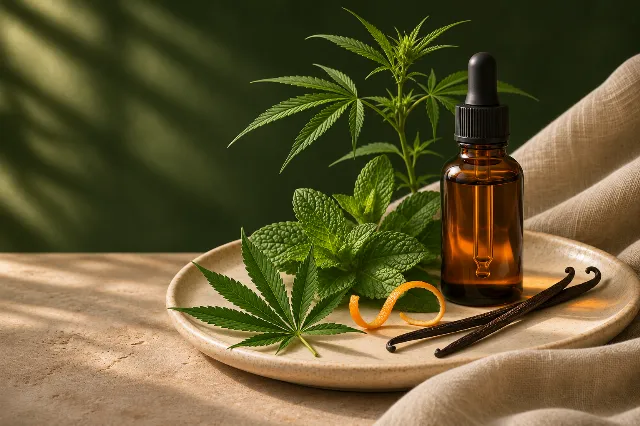
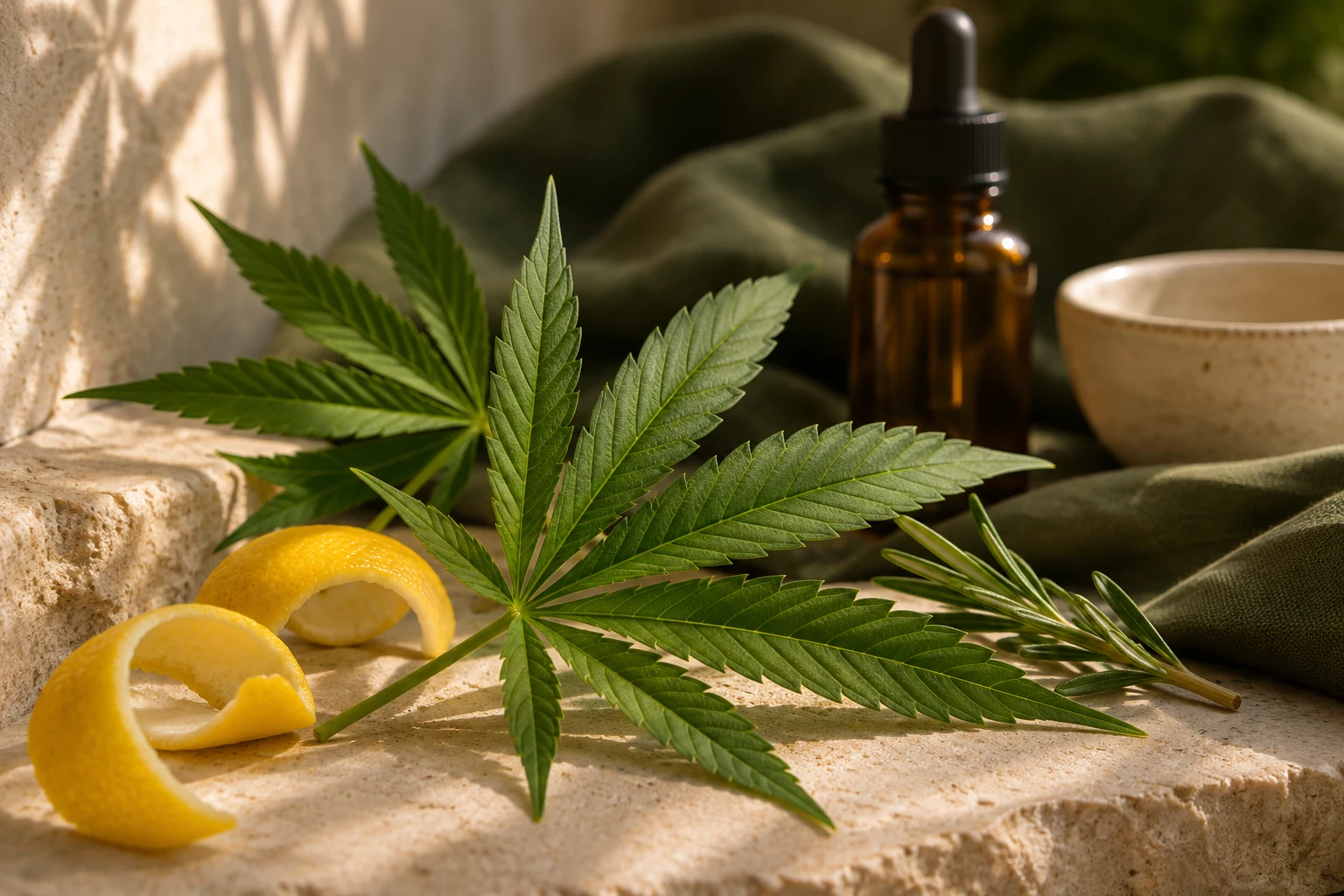
Terpenes are among the compounds associated with plant aromas. Health Canada’s explanation of cannabis odours notes that many of the same terpenes also occur in other plants and foods; limonene, for example, occurs in citrus fruit. That helps explain the vocabulary you may encounter when comparing ingredient descriptions.
An aroma description is not a timetable, a treatment claim or a reliable prediction of how a person will feel. A chart that assigns a desired effect to each terpene may look precise while answering a very different question from the one a product label can support. Keep the ingredient description separate from those implied outcomes.
Ask where the terpene information comes from
A seller might describe compounds retained in an extract, a separately added terpene blend or a general flavour profile. Those statements are not interchangeable. Read the complete recipe and ask whether the description concerns the extract before formulation or the bottled product you would receive.
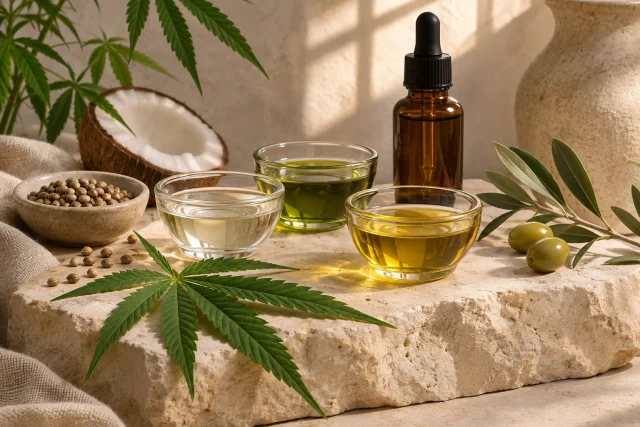
The source matters when you are comparing products by ingredients. A botanical description does not establish that every ingredient came from hemp. Equally, the presence of terpenes does not establish that an oil is full spectrum. A CBD isolate can be formulated with other ingredients; the finished formula needs to be described in its own terms.
Read the front and back together
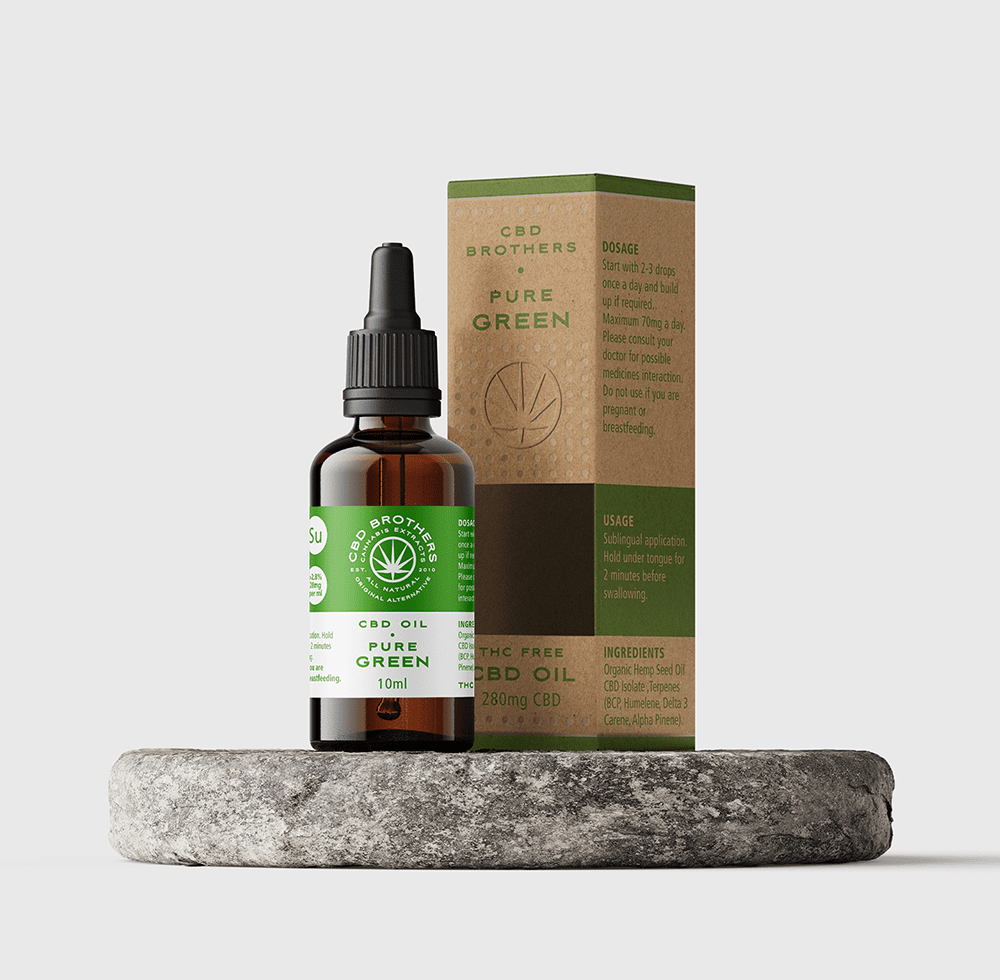
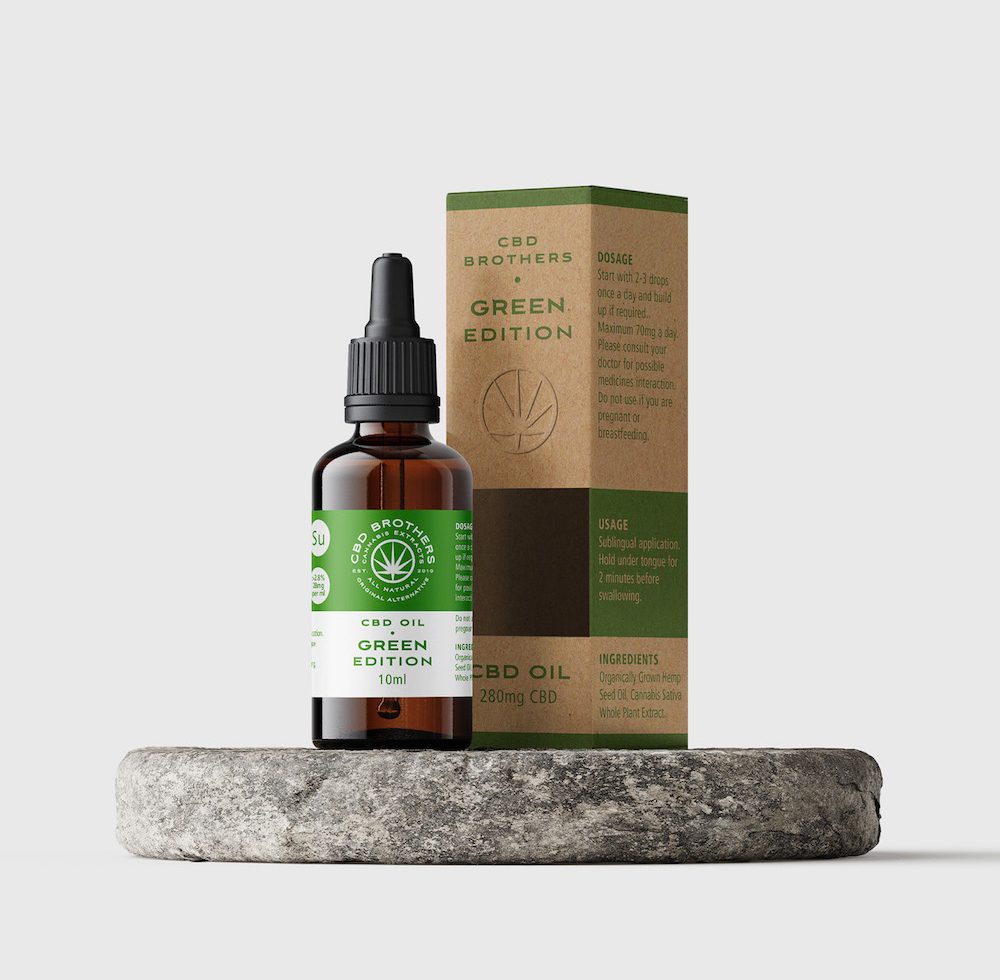
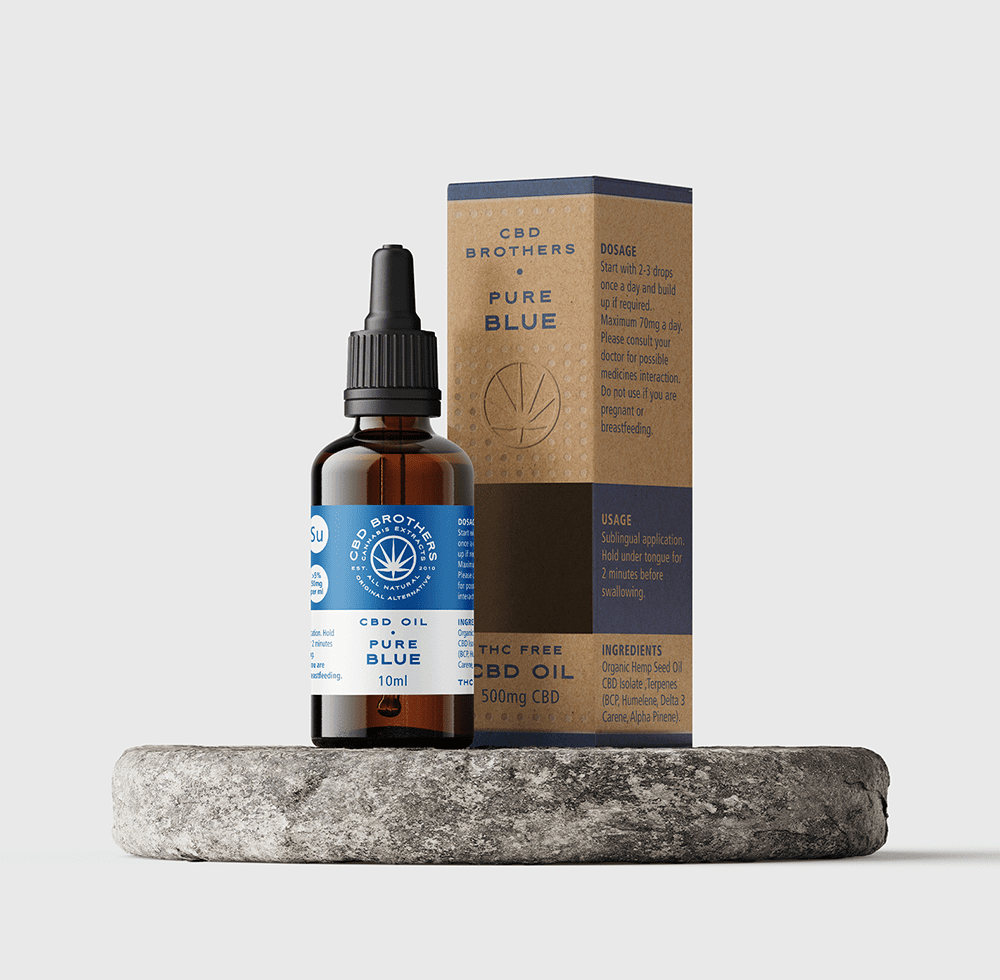
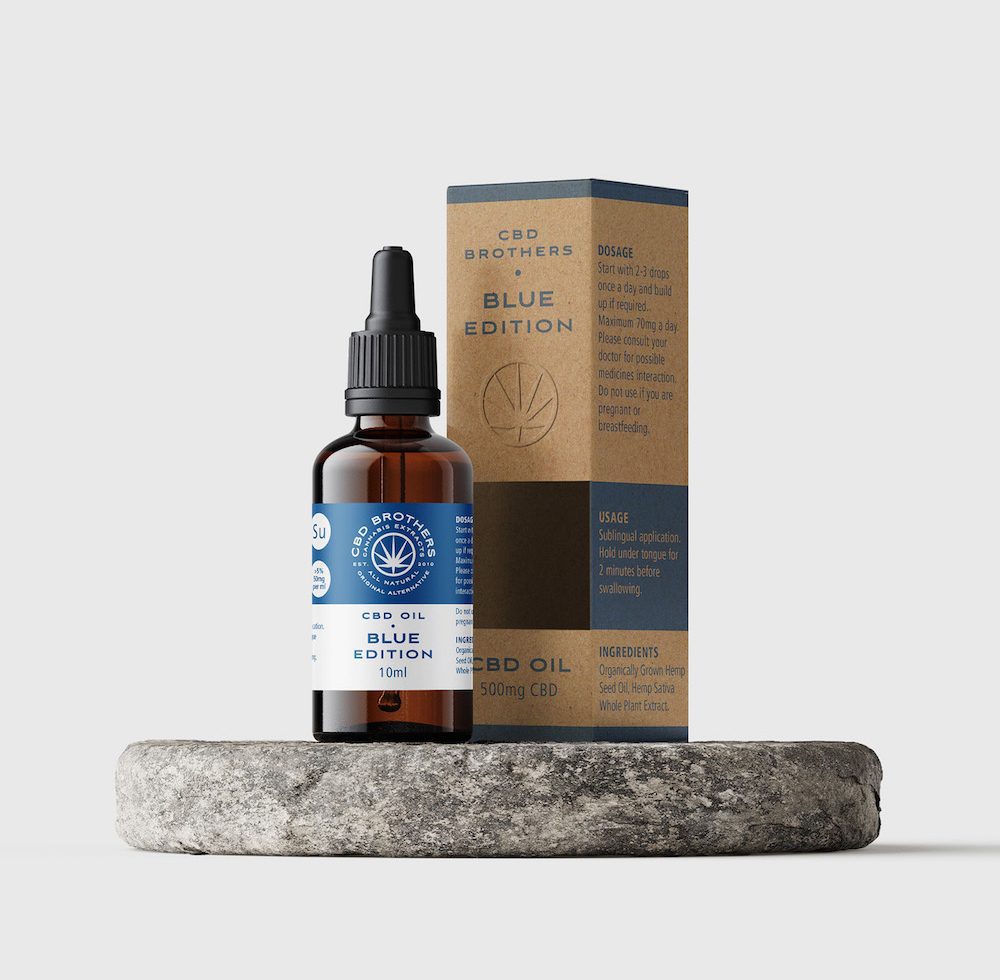
A name such as citrus botanical drops may be useful for browsing, but it leaves several practical questions open. Is there an added flavouring? Which carrier is used? Is a terpene blend named? Is the product intended for oral use or for the skin? Check those particulars before treating similar names as comparable recipes.
If a label and a web description appear inconsistent, ask for clarification for the exact size and concentration. A photograph may show an older pack, and a brand may use several formulas across its range. Do not apply one product’s ingredient answer to every oil sold under the same brand.
| Description | Question to ask |
|---|---|
| Botanical terpenes | Which ingredients and sources are declared? |
| Citrus profile | Is this an added flavour, terpene blend or sensory description? |
| Full spectrum | What does the finished-product report actually measure? |
| Unflavoured | Does that mean no added flavouring, rather than no taste? |
Look for the evidence that answers your question
A cannabinoid report and a terpene analysis are not necessarily the same document. Check the list of substances tested, the sample identity, the batch reference and the units. A report that measures CBD and THC does not automatically verify a detailed terpene claim. Missing information should remain an unanswered question.
The report must also belong to the relevant material. An analysis of an ingredient before it is mixed into a carrier is not a direct measurement of every constituent in the retail bottle. Ask how the document relates to the finished product, rather than accepting a laboratory logo as the entire explanation.
Make a preference-based shortlist
Useful shortlist notes are concrete: no added flavouring, a clearly named base, a particular bottle size, or enough ingredient information to make a decision. They are easier to check than a promise that one aroma is right for a particular time of day. Compare the whole recipe and labelled CBD quantity alongside those preferences.
At Klora, product names and ingredient descriptions help you browse different brands; they do not amount to a personalised recommendation. For questions about medication or a health concern, a healthcare professional is the appropriate source. Changing a flavour or terpene description does not resolve a suitability question.
Terpene questions, answered
Are terpenes the same as CBD? No. They describe different constituents. A terpene figure should not be added to a CBD figure to create a larger CBD total.
Does an earthy taste prove full spectrum? No. Taste cannot establish the cannabinoid composition, testing limits or legal status of the finished product.
Does a terpene blend make an oil better? The label alone cannot support that conclusion. Compare the actual recipe, supporting information and your ingredient preferences without assuming a health advantage.
Primary references
Read the original guidance
General information, not personalised medical or legal advice. Product and regulatory details can change. Read the exact product label and current source guidance.