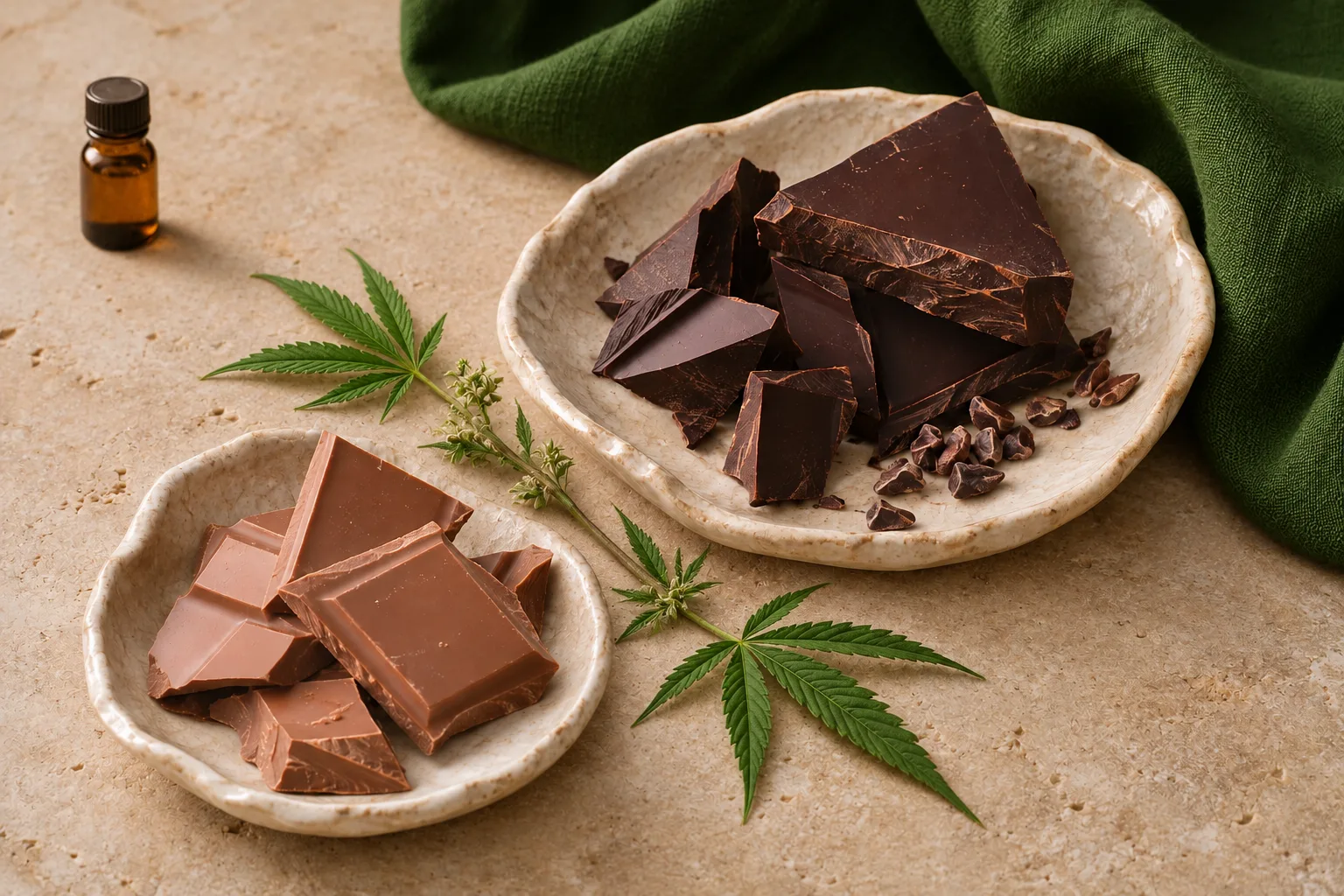
Choose a flavour direction first
Consider the descriptions that help you choose chocolate: a pronounced cocoa flavour, a creamy texture, caramel notes or a salted finish. These are useful preferences to bring to a CBD range. Look for a product description that explains the intended experience of eating the chocolate, rather than attaching a promised effect to its flavour.
Two dark bars can have very different recipes, as can two milk bars. Added flavours, fillings and textures may matter more to your choice than the broad category. If you usually prefer a plain bar, read carefully before selecting an edition whose name puts a single added ingredient in the foreground.
Cocoa percentage and CBD are separate details
A cocoa percentage describes the chocolate recipe. It is not the percentage of CBD, and it cannot be used to calculate the CBD in a square. Keep it alongside the ingredient information, then find the separately stated CBD amount and the unit that amount refers to.
The same principle applies when comparing a dark bar with a milk bar. Either could have a higher or lower labelled CBD amount; the chocolate style does not settle the question. If you want to compare like with like, note pack weight, number of labelled portions and CBD per portion for each product.
A high cocoa figure can be part of your flavour preference without becoming a quality verdict on every other ingredient. Read the complete recipe and relevant records. A single percentage cannot describe the finished product in all the ways a buyer needs.
Use the ingredient list to compare recipes
Ingredients are listed in descending order by weight. This helps you see the structure of a recipe, although the list alone does not provide every ingredient’s exact quantity. Compare the same part of each label, rather than setting one product’s detailed list against another product’s front-of-pack slogan.
Look for the chocolate ingredients, additions such as caramel or salt, and the way the CBD ingredient is described. If a coating or filling has its own ingredient list, include that in your reading. It is part of the product, even when the bar’s main description concentrates on cocoa or flavour.
Reference: GOV.UK: food ingredient lists (opens in a new tab)
Dark does not establish dairy-free status
Use the allergen information for the exact product. Do not infer the absence of milk from the words dark chocolate, a high cocoa percentage or the colour of the bar. Check both the ingredients and any precautionary warning about possible allergen traces.
Vegan wording also answers a different question from an allergen-free claim. Government consumer guidance explains that a vegan label does not guarantee the absence of a particular allergen. If milk, nuts or another allergen matters to you, the relevant product information needs to answer that question explicitly.
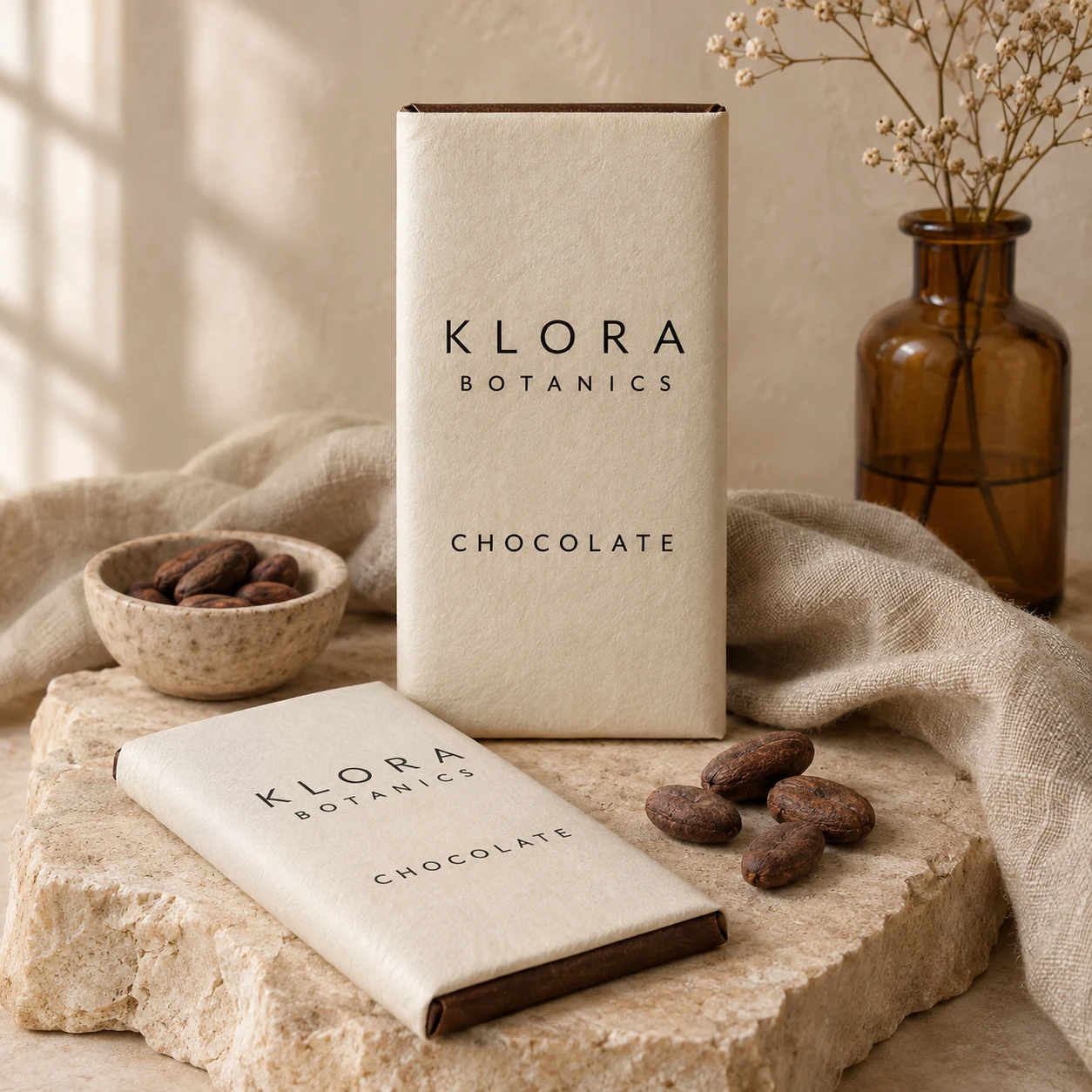
An unfinished recipe cannot give that certainty. For the Klora own-label concepts, final ingredient and manufacturing information is still pending. The absence of an allergen from a proposed ingredient list should not be read as a finished-product assurance.
Reference: GOV.UK: understanding allergen labelling (opens in a new tab)
Let the nutrition panel answer nutrition questions
For a comparison of sugars or saturated fat, use the stated nutritional values on the same basis, such as per 100 g. Then check the amount in the labelled portion. A cocoa percentage is not a complete nutrition panel, and a darker colour does not settle every nutritional comparison.
Likewise, a reduced-sugar or no-added-sugar phrase is a specific claim to check, not a general description of all dark chocolate. A flavour name cannot establish it. Where nutritional information is not yet available, leave the comparison open instead of filling the gap with an assumption.
Two own-label concepts, with the particulars still to come
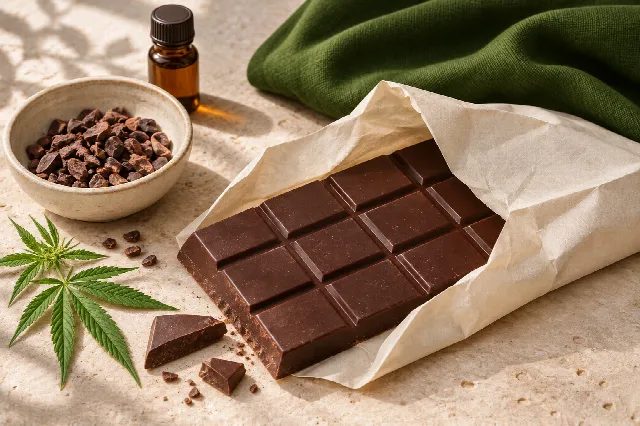
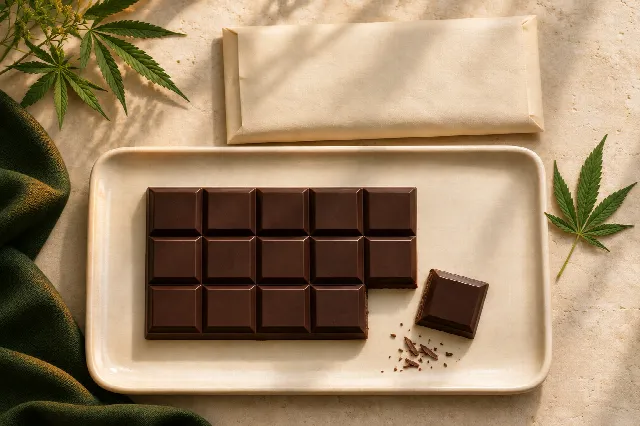
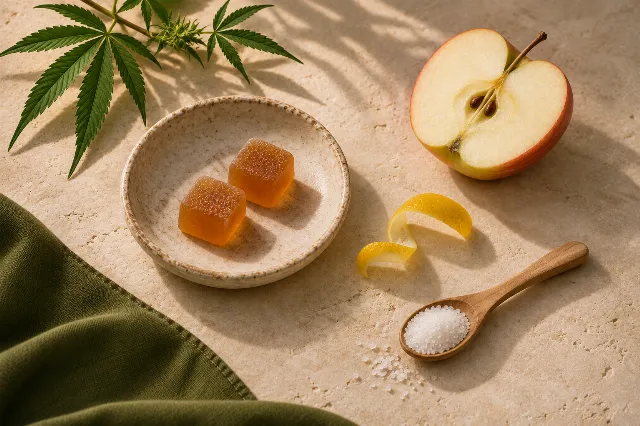
Dark Cacao No. 70 is planned around a 70% cacao recipe. Sea Salt Caramel is our own-label milk-chocolate concept. They offer two flavour directions within the same proposed 100 g, 20-square format. Neither is presented as providing an advantage in CBD effects.
The final recipes, allergen statements and nutritional values will be needed for a complete comparison. For now, explore the intended style, read the concept status and keep your own ingredient preferences in view. Choosing chocolate can remain a matter of taste while the product information does the careful work.
Primary references
Read the original guidance
General information, not personalised medical or legal advice. Product and regulatory details can change. Read the exact product label and current source guidance.