Choose your comparison criteria first
Decide what you need to know before looking at a ranking. You might be comparing an unflavoured oral oil, a particular capsule shell or a cosmetic texture. Add any ingredient exclusions and the pack size you are considering. These details define the comparison more clearly than asking for the best brand in general.
Keep health goals out of the scoring exercise. A brand cannot establish that its retail CBD product is the appropriate treatment for a symptom. The FSA recommends a conversation with a healthcare professional where health concerns are involved; its advice also identifies groups for whom CBD is not recommended unless under medical direction.
Look for complete, consistent particulars
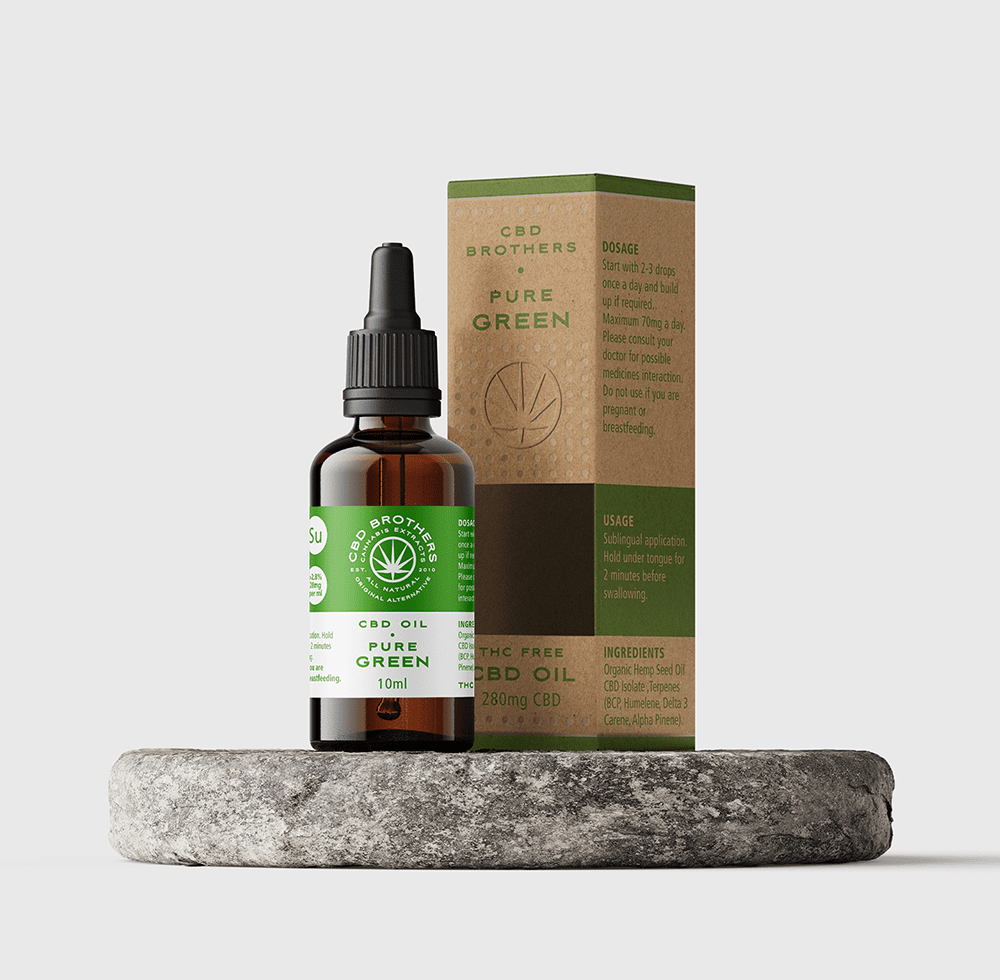
A useful brand makes the recipe and quantity declaration understandable. Check the intended use, carrier or base, other ingredients, pack size and named cannabinoid total. Compare the carton wording with the online description where both are available. A changed flavour or bottle size deserves its own check.
Consistency matters more than the number of badges on the page. If a headline says CBD but the specification gives combined CBD/CBDA, the distinction needs to remain visible. If the brand describes a product as vegan or free from an ingredient, look for a clear statement covering the exact formulation rather than the range in general.
Ask what the evidence actually covers
Laboratory evidence is most useful when it can be connected to the product you would receive. Look for an identifiable sample, report date and batch relationship, then ask what the test covers. Cannabinoid measurements do not automatically establish that every other possible issue has been assessed.
Read supplier and origin descriptions with the same care. Growing a plant in one country, extracting an ingredient in another and filling bottles elsewhere are different stages. A country flag or a statement about cultivation does not establish the finished product’s composition, legal position or suitability for an individual.
| Question | Useful information |
|---|---|
| What is in this product? | Full ingredients and the named quantity declaration |
| What was tested? | A report identifiable to the sample and relevant batch |
| What does the claim cover? | The exact variant, scope and supporting information |
| Who answers a question? | A working contact route and a specific response |
Judge the answer, not just the response time
Try one precise question if a material detail is missing. Ask whether the report relates to the finished bottle, what a combined total contains or which storage instruction applies after opening. A useful response addresses your question and identifies any information the brand still needs to obtain.
A quick reply repeating a slogan does not resolve an uncertainty. Equally, a careful answer may require the product team to check a batch document. Keep a record of the question, the product variant and the answer so you can compare what different suppliers actually provided.
Compare value after the product checks
Once two products meet your information requirements, compare their prices on a consistent basis. Use the same named substance and include delivery. A higher price does not prove better evidence, while a discount does not make missing information less important. Separate an introductory offer from the usual cost of the exact variant.
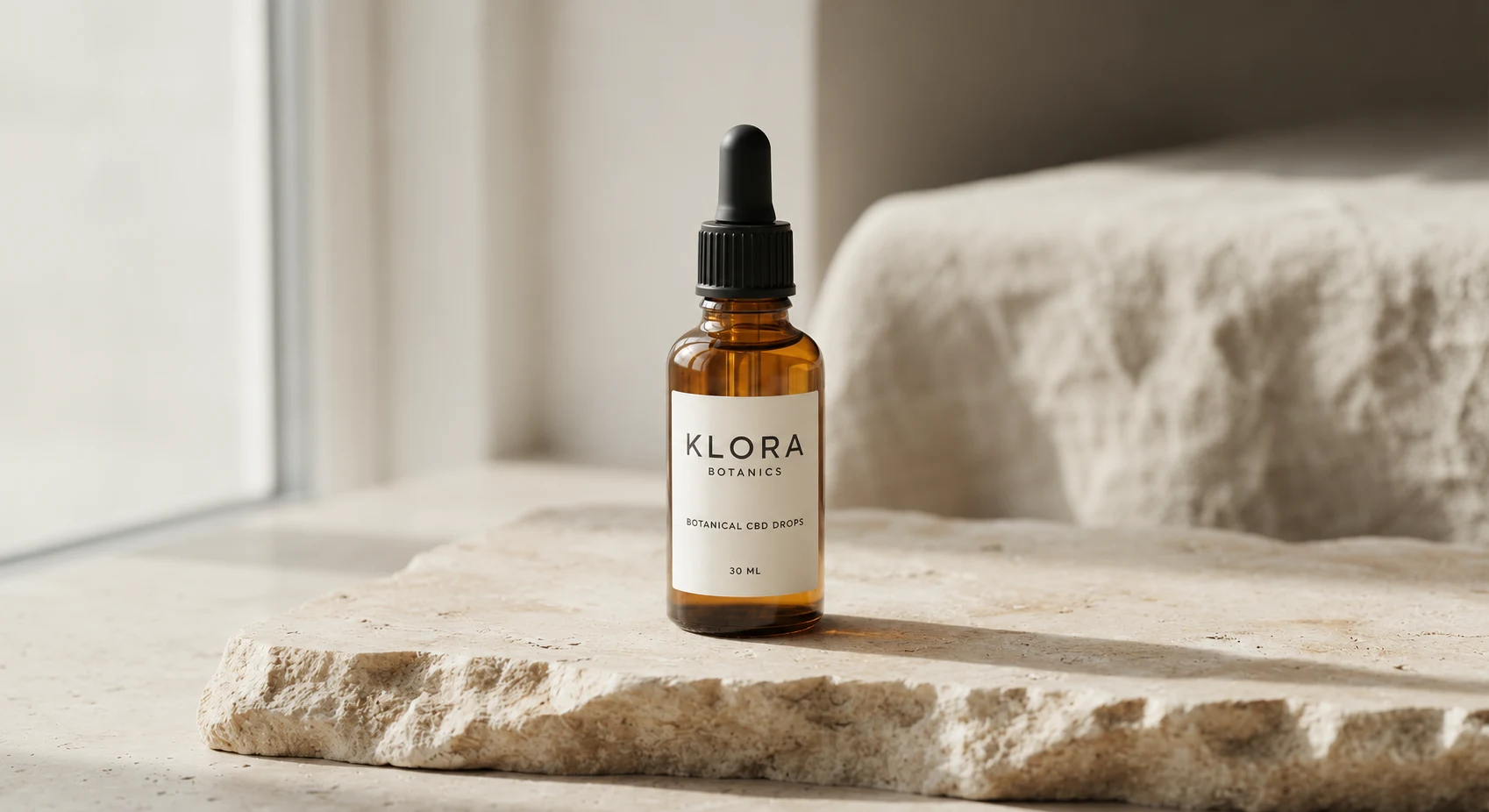
Klora brings together products from different brands and identifies its own developing range separately. The shop name is not the manufacturer of every product. Use the brand shown on the individual card, then check the product particulars before sending an order request for our team to review.
Questions about brand shortlists
Is the most reviewed brand automatically the best choice? Reviews describe experiences, not a complete assessment of a formulation or evidence for a health claim. Read them alongside the exact product details.
Does one good product validate an entire range? Each format, concentration and recipe has its own particulars. Carry your comparison method across the range rather than assuming the answer is identical.
Should I choose only one brand? That is a shopping preference, not a safety rule. Products from different brands still contribute to the same CBD food total; changing brands does not create a separate allowance.
Primary references
Read the original guidance
General information, not personalised medical or legal advice. Product and regulatory details can change. Read the exact product label and current source guidance.