Begin with the kind of product
CBD is short for cannabidiol, one of many cannabinoids. On a shop shelf, however, CBD describes an ingredient rather than one standard product. An oral oil, a gummy, a drink and a body cream have different recipes, intended uses and instructions. Their shared wording does not make them interchangeable.
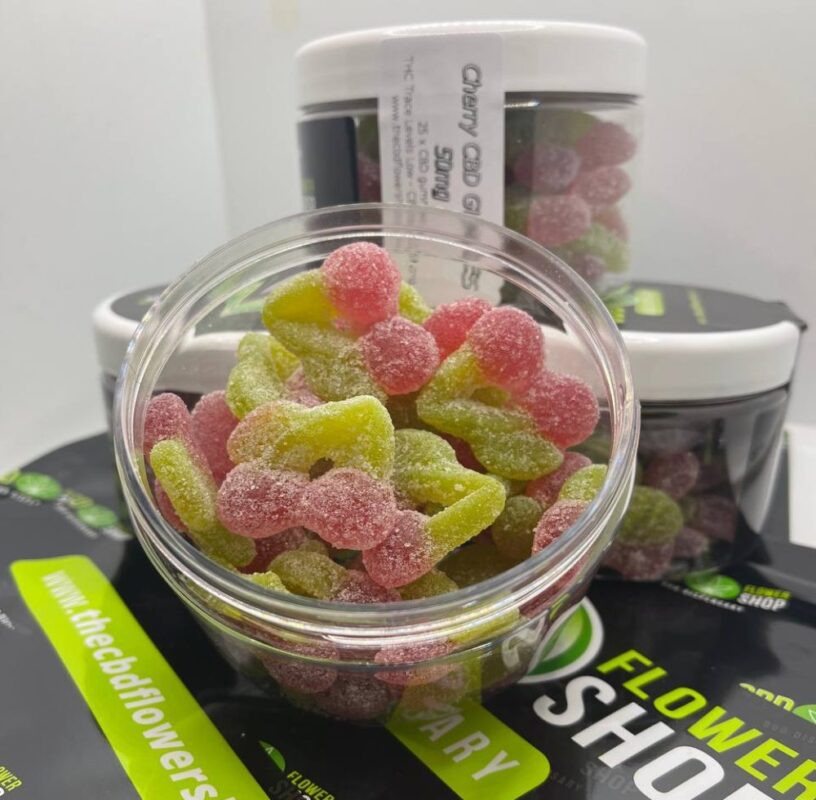
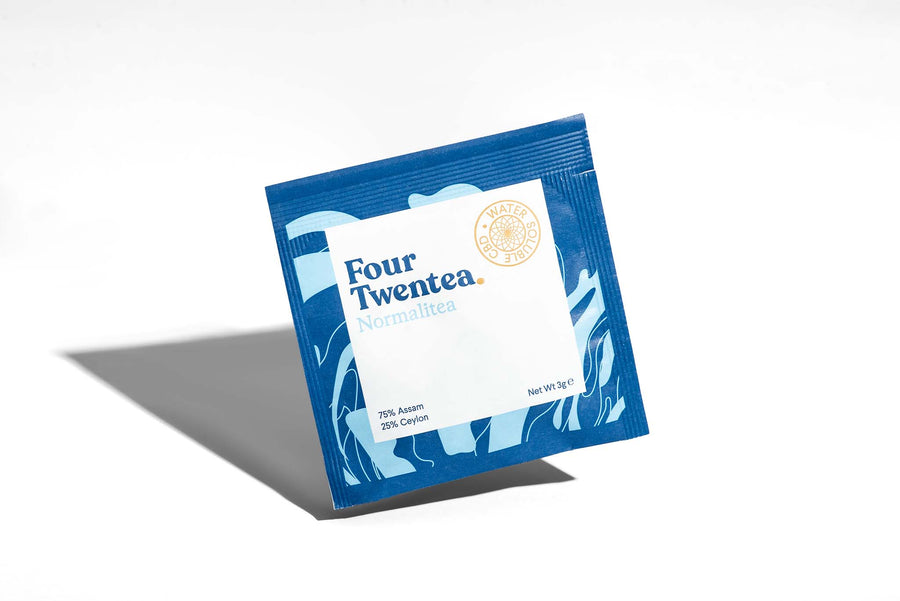
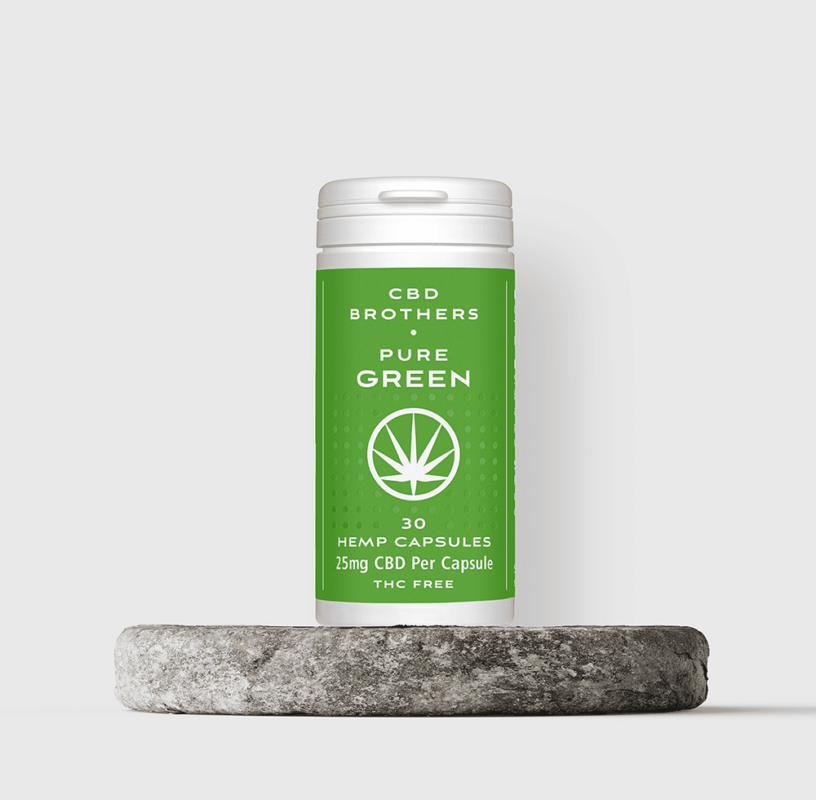
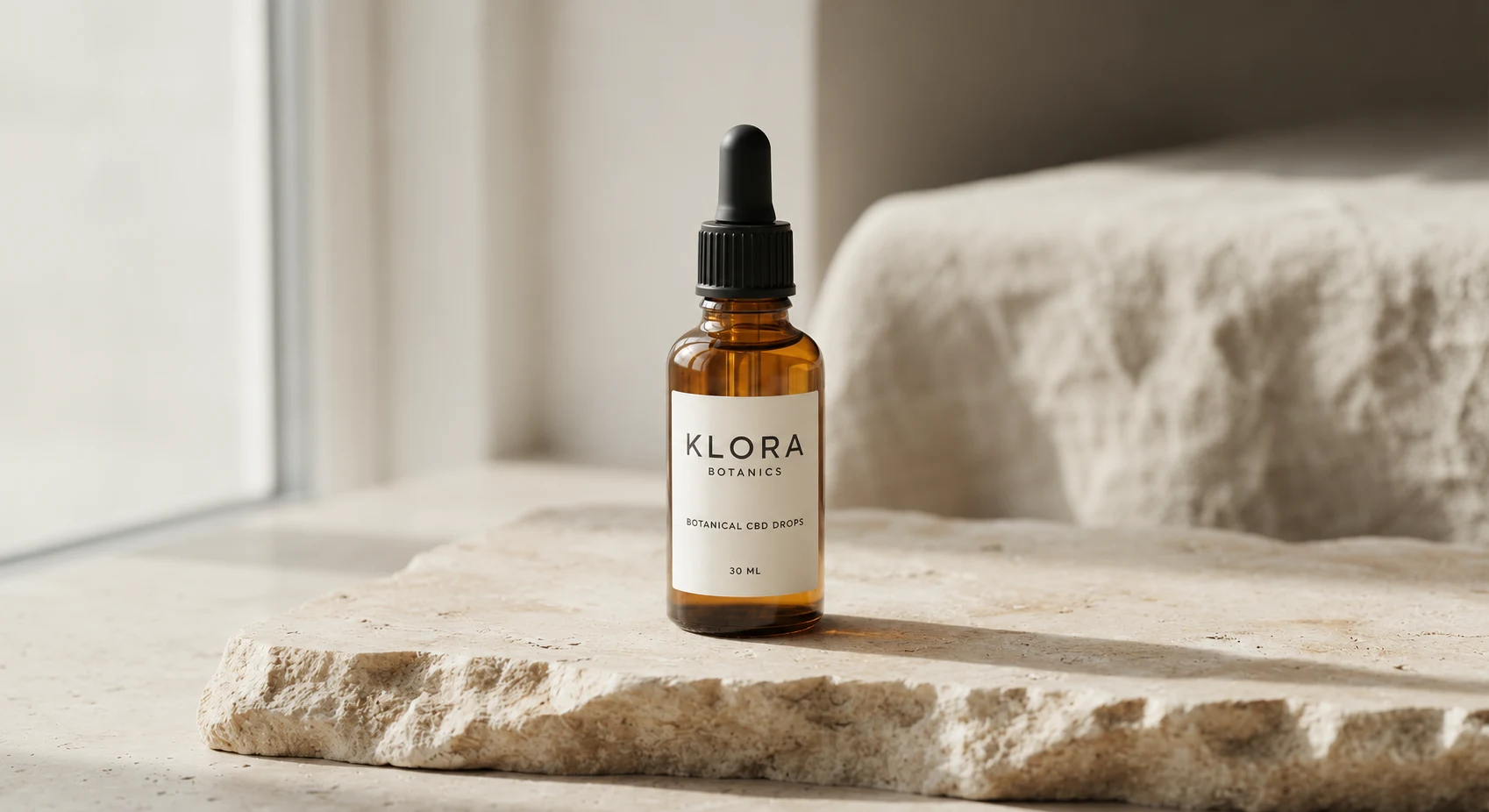
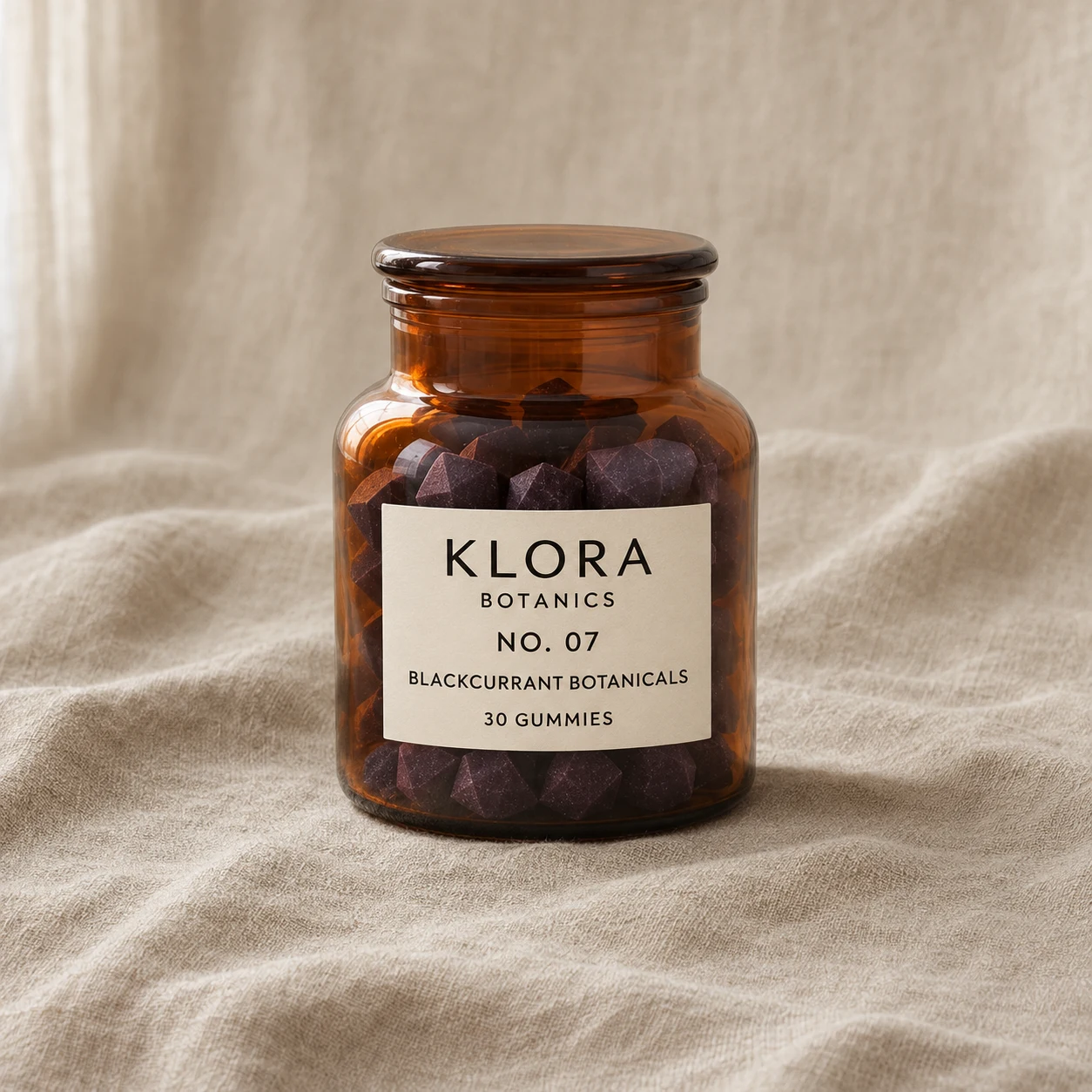
Start with the format you want to compare. Oils usually involve reading bottle volume and a measured amount. Foods involve the complete recipe and the quantity per piece or portion. Skincare involves its external application and full formulation. A set contains separate products, each with its own particulars.
Keep retail information separate from treatment
Retail product descriptions should help you understand what is in the pack. They cannot establish that CBD will treat a condition, improve sleep or produce a particular result. A customer story or a familiar botanical name is not a substitute for evidence or professional advice about your circumstances.
The FSA advises healthy adults to limit CBD from food and drink combined to 10 mg per day. That precautionary limit is not a target. Its advice does not recommend CBD for under-18s, people taking medication, those trying to conceive or anyone pregnant or breastfeeding, unless under medical direction. Health concerns belong with a healthcare professional.
Read the number with its unit
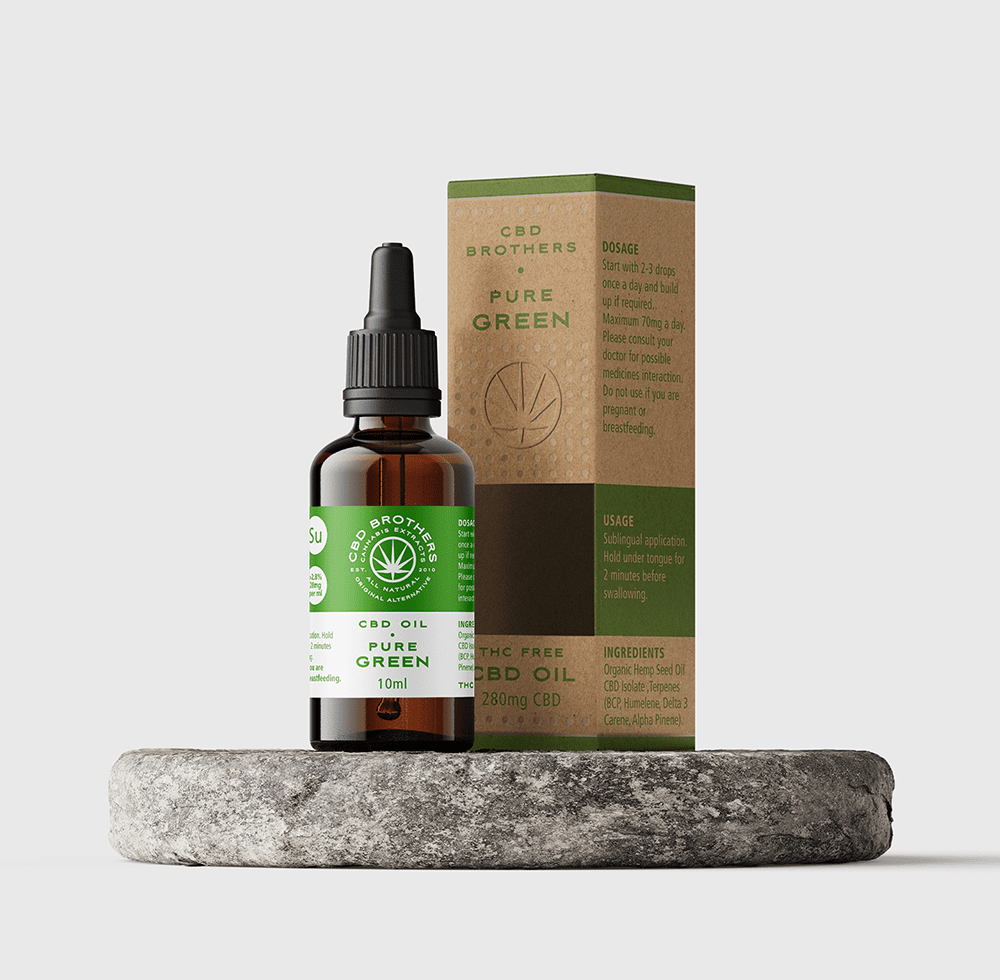
A large number on a carton may describe the entire pack. Look for the named substance, the amount and the unit together: CBD in milligrams, bottle volume in millilitres, or the count of individual pieces. Hemp extract, CBD and a combined CBD/CBDA figure are different descriptions. Do not silently substitute one for another.
Then read the ingredients, intended use, storage wording and batch reference. These details make comparisons more useful than front-label colour or a percentage alone. A clear product page should let you find the information before adding an item to your bag, with a way to ask about anything missing.
Check the product, rather than relying on a badge
The UK regulatory picture needs more care than a general claim that all CBD is legal. Food status, controlled cannabinoids and product presentation are separate matters. For CBD foods in England and Wales, the FSA public list is a useful starting point, but inclusion is not formal authorisation or an endorsement.
Check that any evidence concerns the exact product and batch where relevant. A report about an ingredient does not necessarily describe the finished bottle. Equally, a brand appearing in another shop does not confirm availability at Klora. Ask for clarification when the supporting information and the listing do not match.
Build a short, practical shortlist
Compare two or three products using the same headings: brand, format, ingredients, labelled CBD amount, pack size and delivered cost. Add dietary requirements or a preferred flavour where relevant. This makes it easier to see which differences matter to your purchase instead of treating the highest concentration as an automatic upgrade.
Klora is a multi-brand shop with its own developing range identified separately. You can add a selection to the bag and send an order request. Our team will contact you by phone or email to confirm availability, delivery and the final details. No payment is taken at checkout.
Three questions at the starting point
Is CBD oil the same as hemp seed oil? No. Hemp seed oil may be a food or a carrier ingredient; its name does not establish a stated CBD quantity. Read the ingredients and the specific CBD declaration.
Does a stronger product mean a better product? A higher concentration describes more stated material in a given quantity. It does not establish suitability, quality or a health advantage.
Where should I go next? Choose a format guide if you are comparing products, the label guides if a number is unclear, or the suitability guidance before considering use when medication or a health concern is involved.
Primary references
Read the original guidance
General information, not personalised medical or legal advice. Product and regulatory details can change. Read the exact product label and current source guidance.