Understand what the list is for
CBD extracts and isolates used in food fall within the novel foods framework. The FSA business guidance reviewed for this article states that no CBD extracts or isolates have yet been authorised as novel foods. Its public list is an interim product list linked to applications moving through the process, rather than a catalogue of approved CBD foods.
The list concerns England and Wales. The same guidance directs readers separately to Northern Ireland information and Food Standards Scotland. A reference to the list should therefore keep its geographical scope visible. It is not a simple UK-wide certificate covering every product, every seller or every destination.
Start with the exact food product
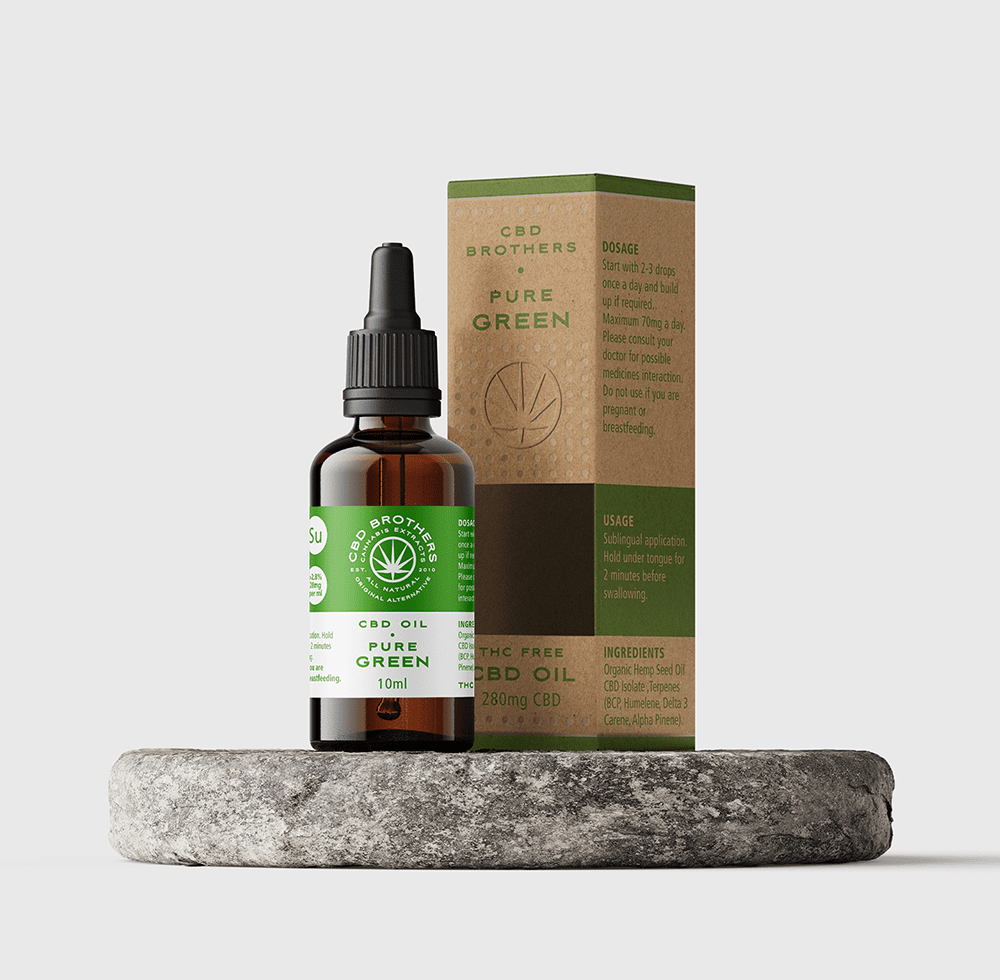
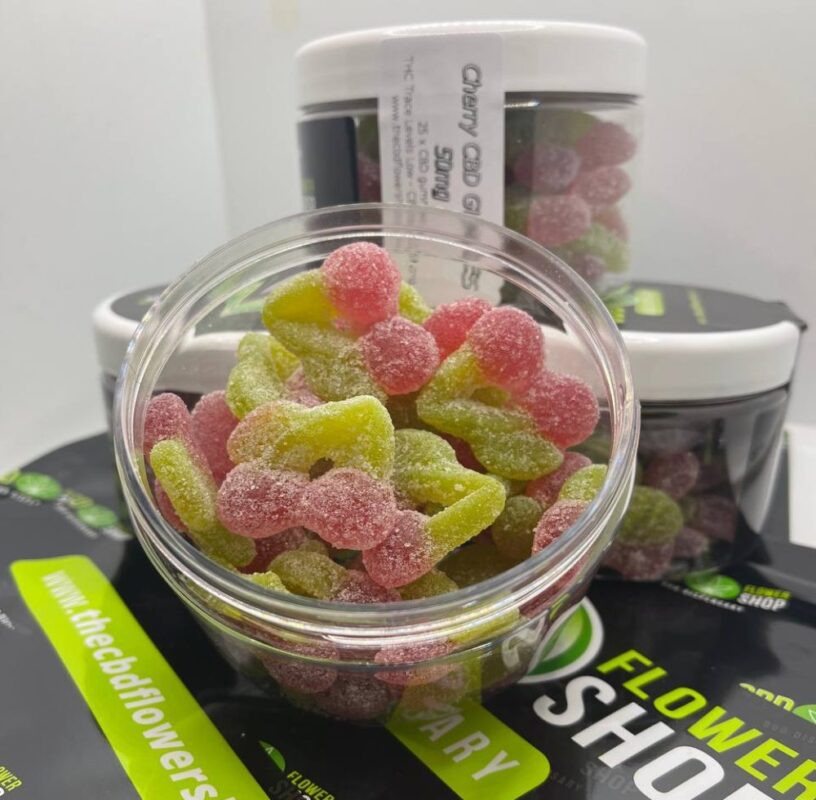
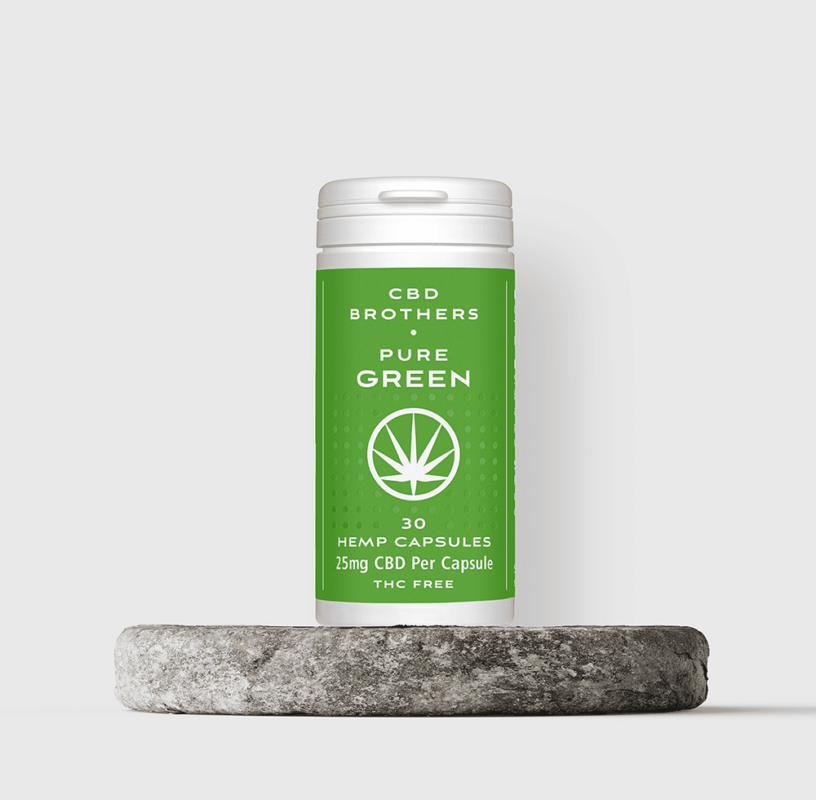
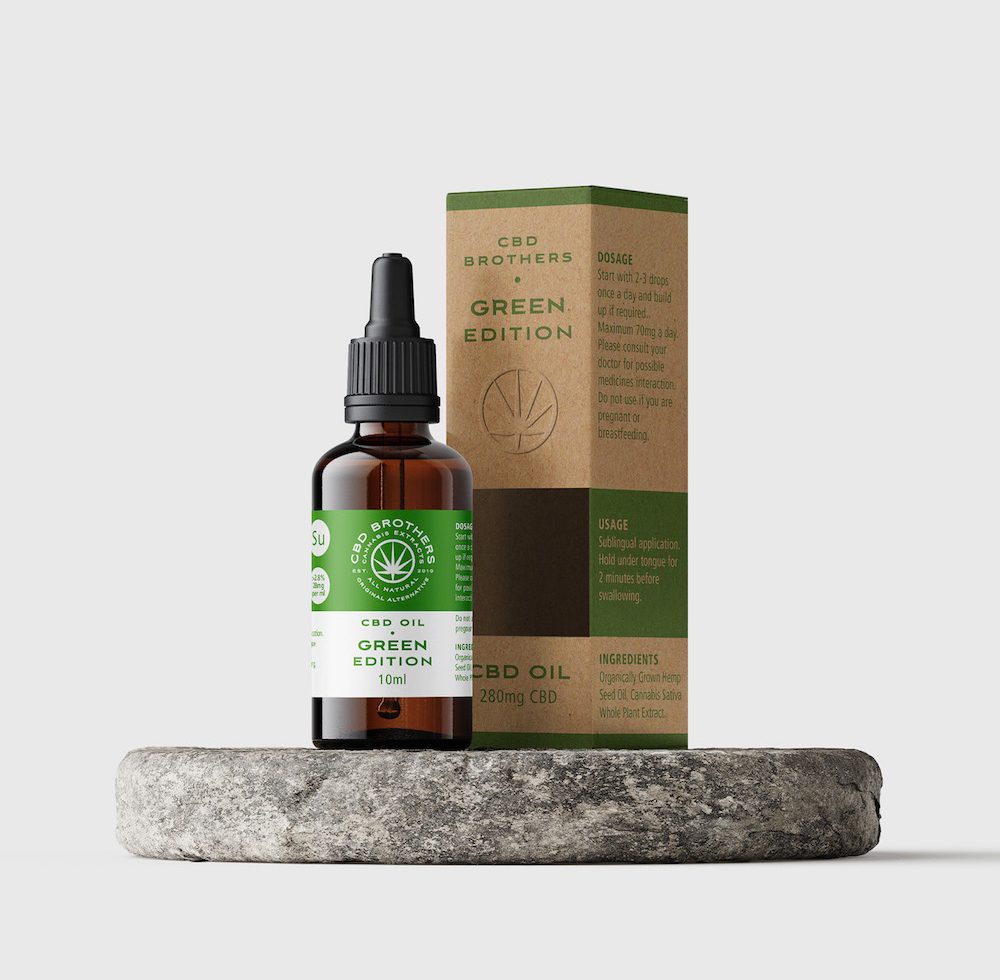
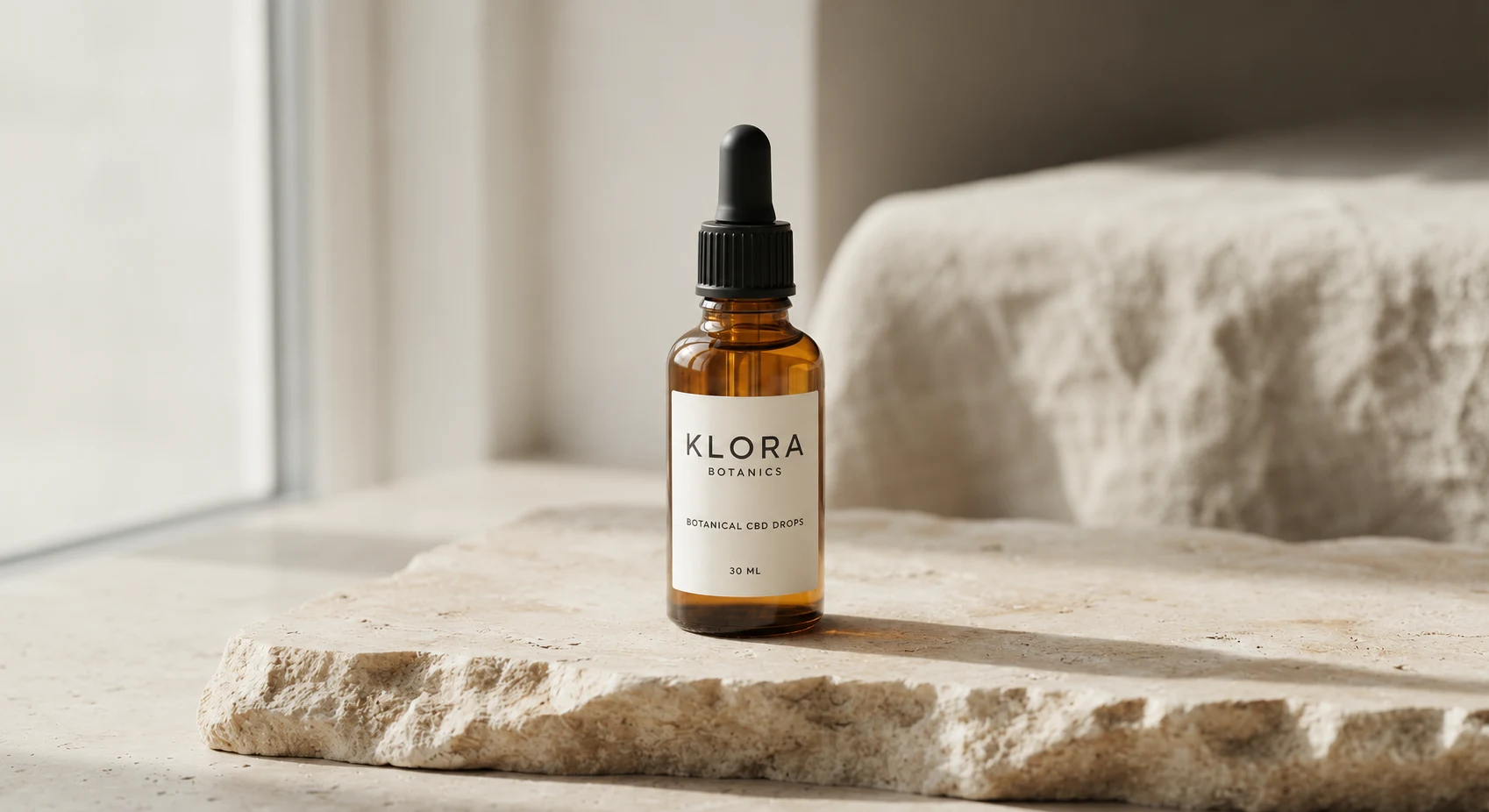
Record the full brand and product name, flavour, strength, pack size and supplier information available on the label. Use the official link from FSA guidance to reach the list. A similar brand name or a bottle that looks the same is not enough to establish that the entry describes the product offered.
Compare the details carefully and retain any relevant product or application reference with your notes. If a retailer points to a different supplier name, reformulation or linked application, ask for a clear explanation of the relationship. Do not infer that another product in a brand’s range is covered simply because one entry can be found.
Read the status without upgrading its meaning
Validation concerns whether an application contains the required information to proceed; it is not a completed safety authorisation. The awaiting-evidence category also concerns progress within the application process. Neither expression should be rewritten as FSA approved, guaranteed safe or endorsed by the regulator.
The FSA guidance explains that products marked removed must be withdrawn, and describes which listed statuses are proposed to remain on the market in England and Wales pending an authorisation decision. Entries can change. Check the current official wording and date rather than relying on an old screenshot or a retailer’s summary.
| Wording | What not to infer |
|---|---|
| Validated | Not the same as authorised |
| Awaiting evidence | Not a completed safety assessment |
| Removed | Not a current eligible listing |
| A brand has a listed product | Not coverage of every product in the range |
Keep other product checks alongside it
A list entry does not replace accurate ingredients, allergen information, suitable labelling or controlled-cannabinoid compliance. Laboratory documents and food-application status answer different questions. A cannabinoid result does not create novel food authorisation, and an application reference does not explain the contents of the exact batch.
The list is about CBD foods. A cosmetic product has a different intended use and should not be presented as an oral food because it contains CBD. Likewise, finding an ingredient name or a raw-material supplier does not automatically settle the position of a finished product in a new pack or brand.
Ask before treating uncertainty as a match
If you cannot identify a convincing match, ask the seller for the exact entry and the reason it covers that formulation. A supplier should be able to explain the evidence behind its own market-status statement. Keep the product out of your purchase decision while a material mismatch remains unresolved.
At Klora, existing branded listings and our own development concepts are identified separately. Their appearance in the catalogue is not a claim of FSA authorisation or confirmed stock. Order requests are reviewed by our team; a request does not reserve stock, collect payment or replace the product checks needed before an order goes ahead.
Three public-list questions
Does listing mean FSA approval? No. The FSA explicitly distinguishes the public list from formal authorisation and endorsement.
Can one entry cover every bottle from a brand? Do not assume that. Match the exact product information and ask the supplier about any discrepancy.
Does the England and Wales list settle every UK destination? No. Read the current guidance for the relevant jurisdiction, including the separate Northern Ireland and Scottish position.
Primary references
Read the original guidance
General information, not personalised medical or legal advice. Product and regulatory details can change. Read the exact product label and current source guidance.