Separate the carrier from the named cannabinoid
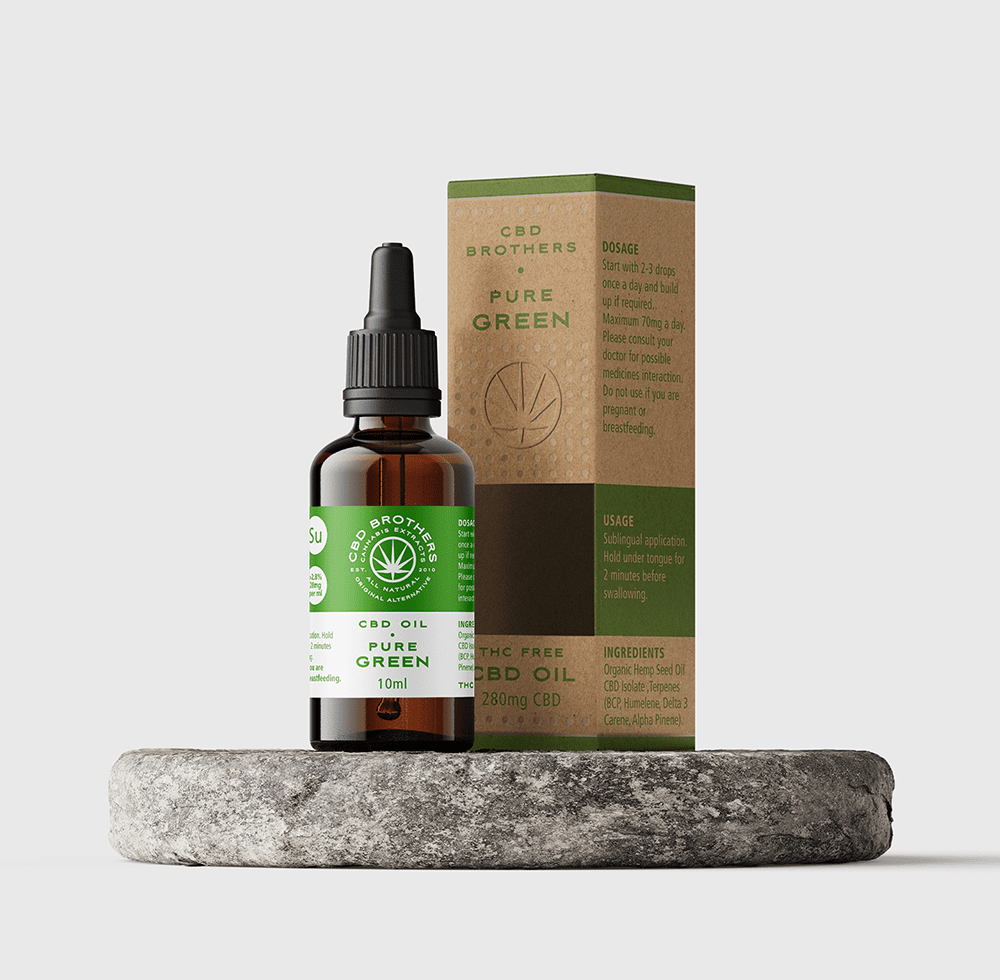
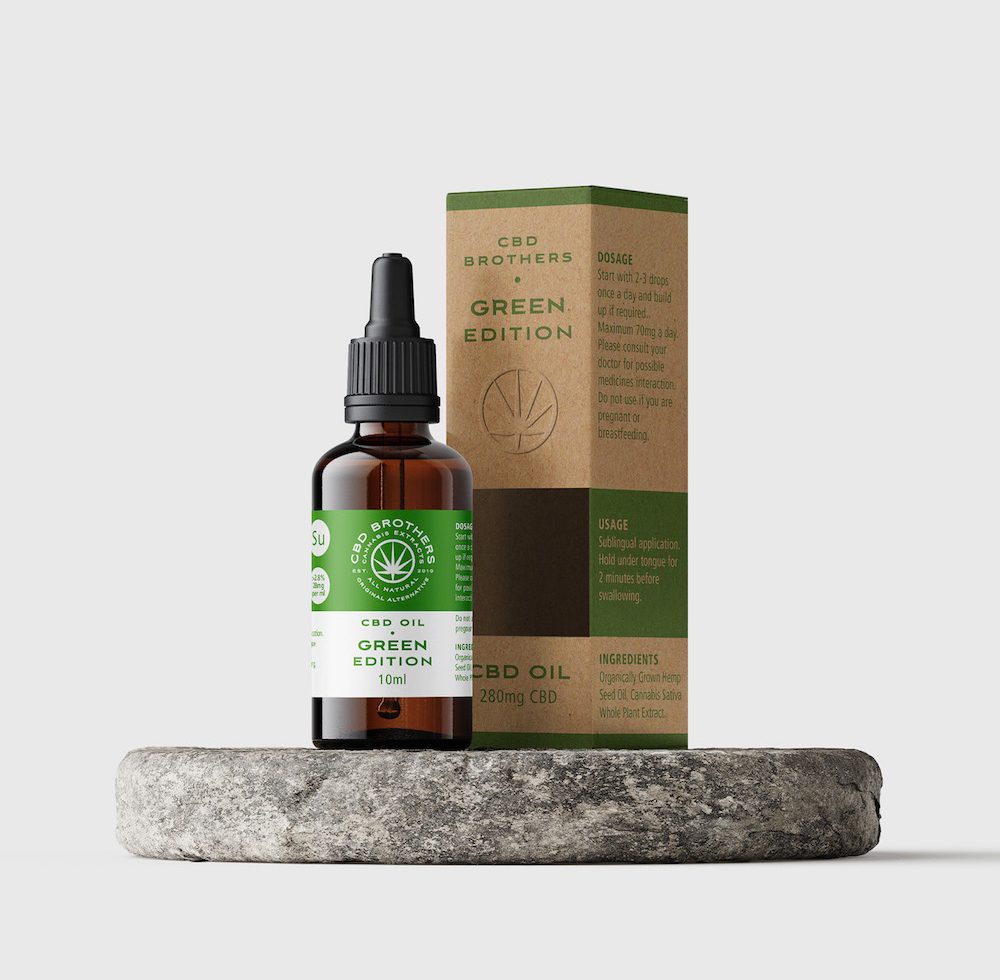
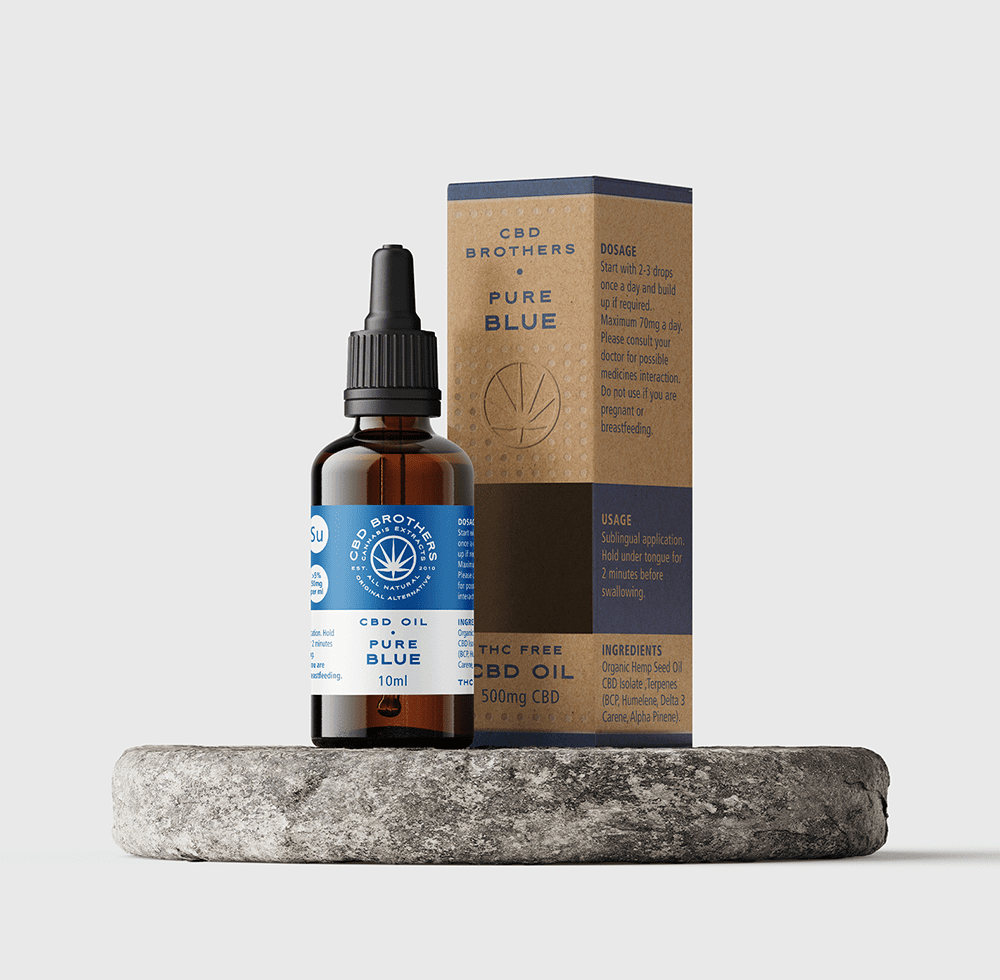
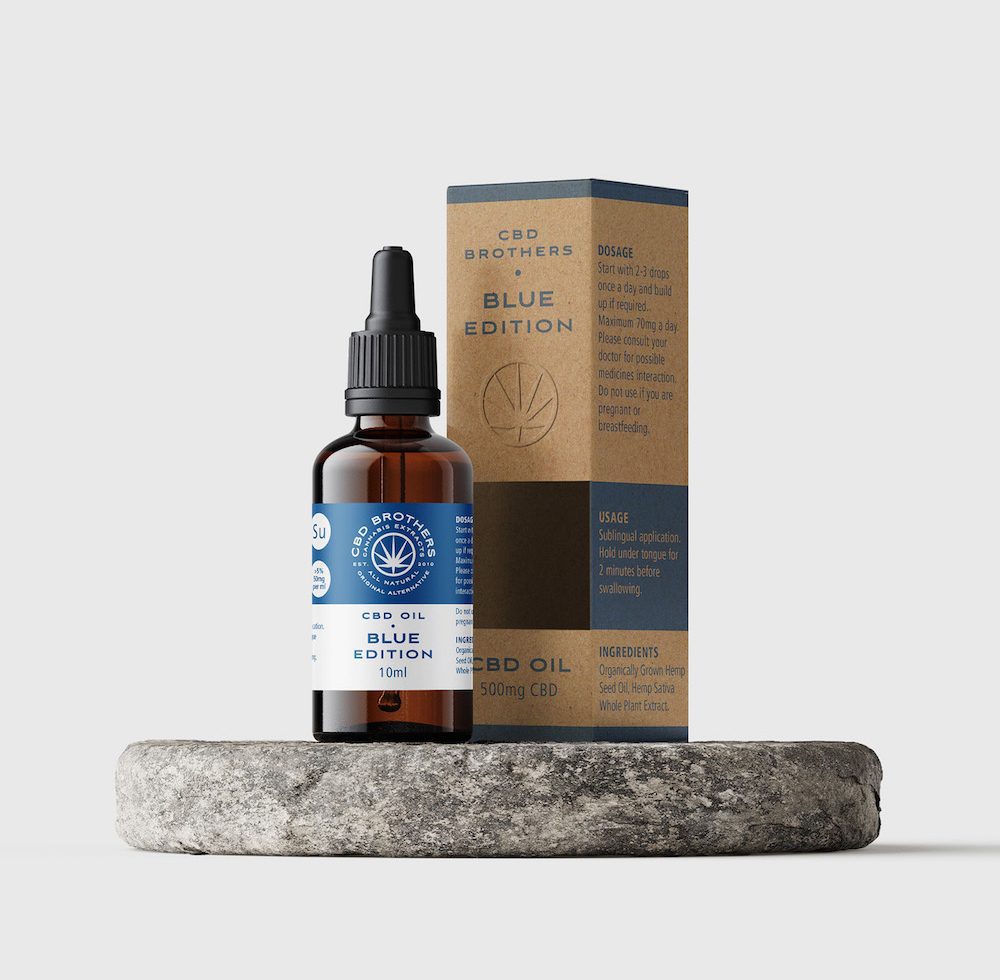
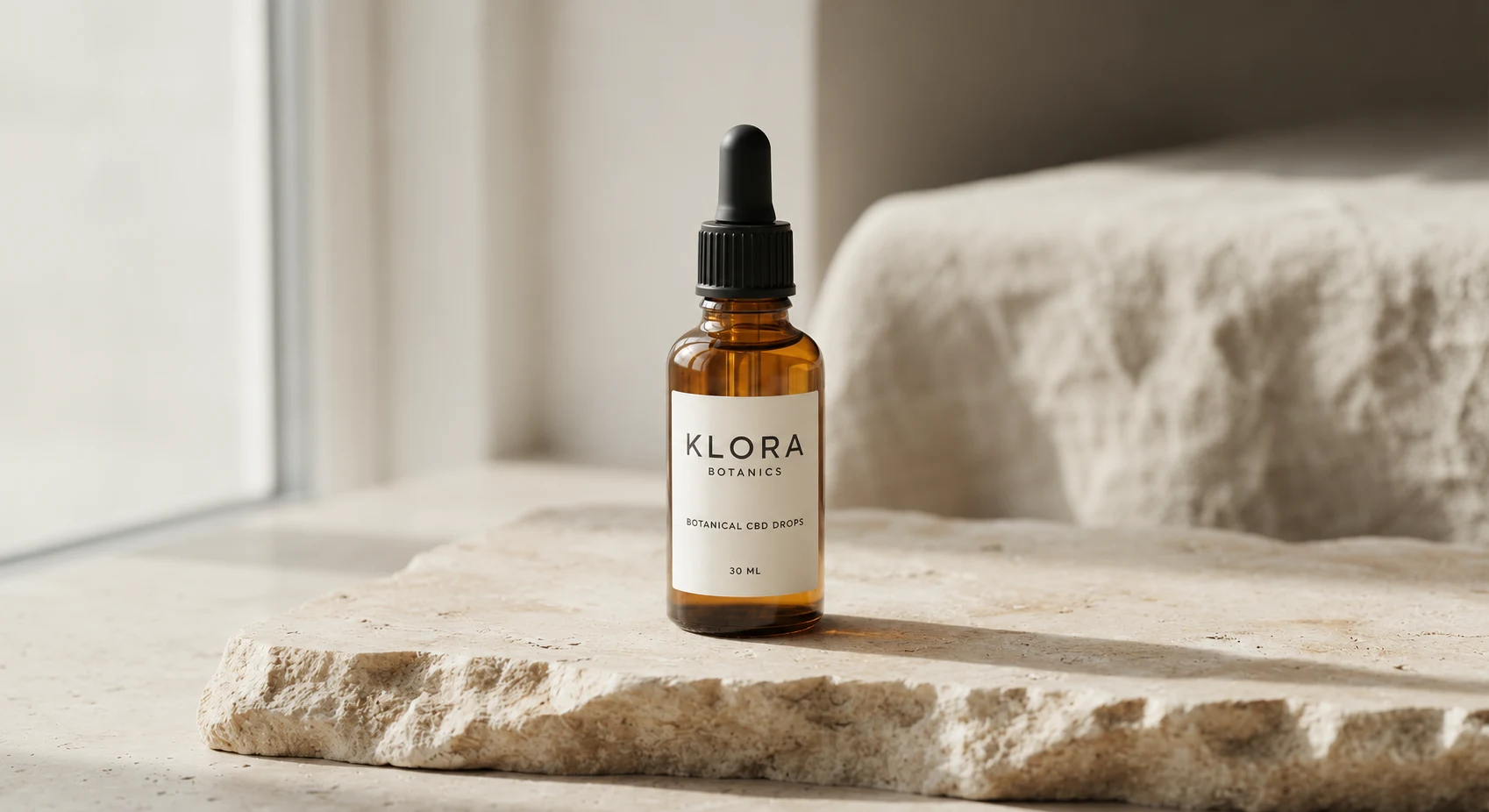
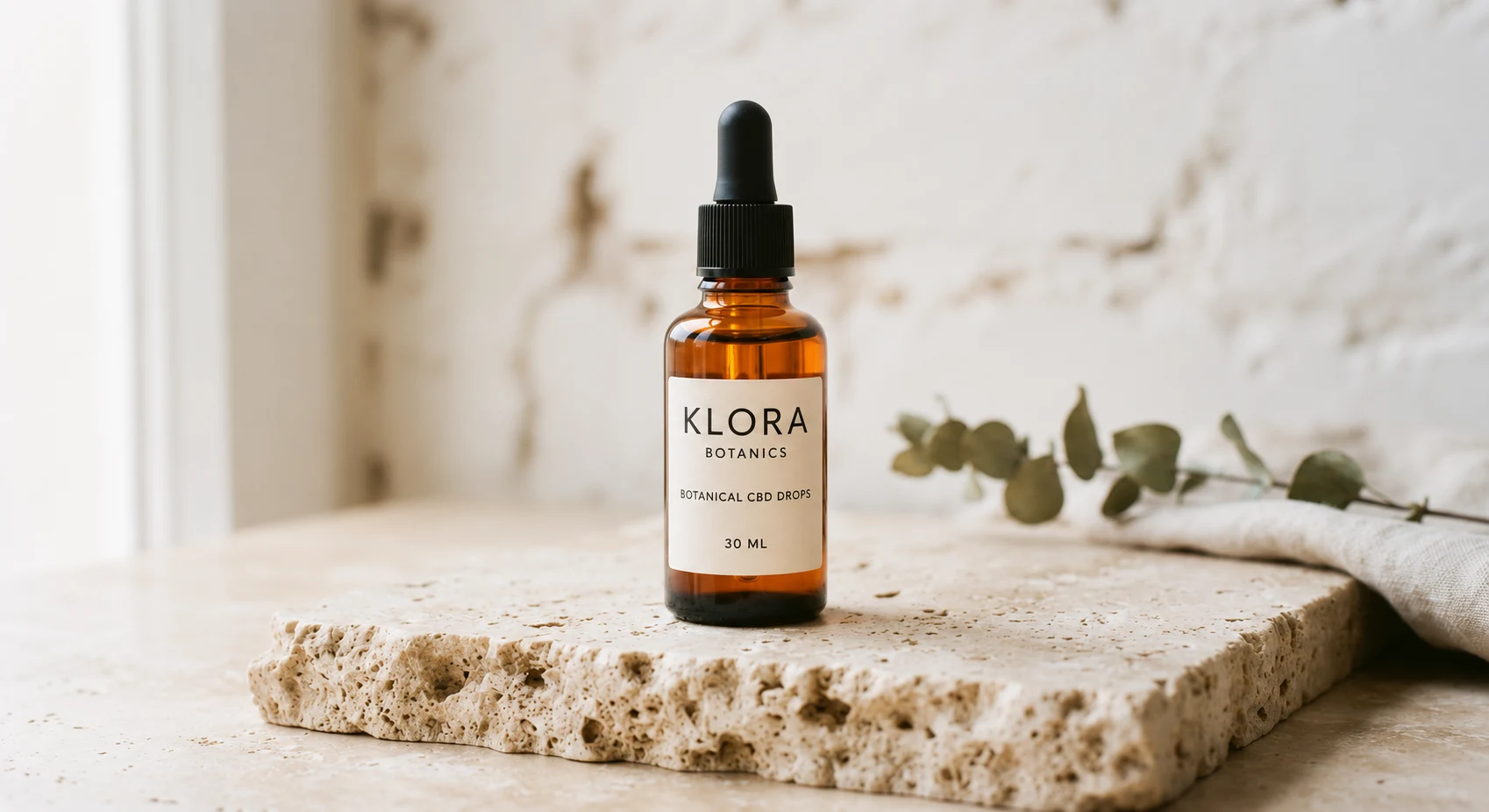
A retail CBD oil is a formulation whose label should explain the cannabinoid ingredient and the base carrying it. Hemp seed oil can be one possible base, alongside other oils. The presence of a carrier does not tell you the CBD concentration; that needs its own clear statement of the named substance and quantity.
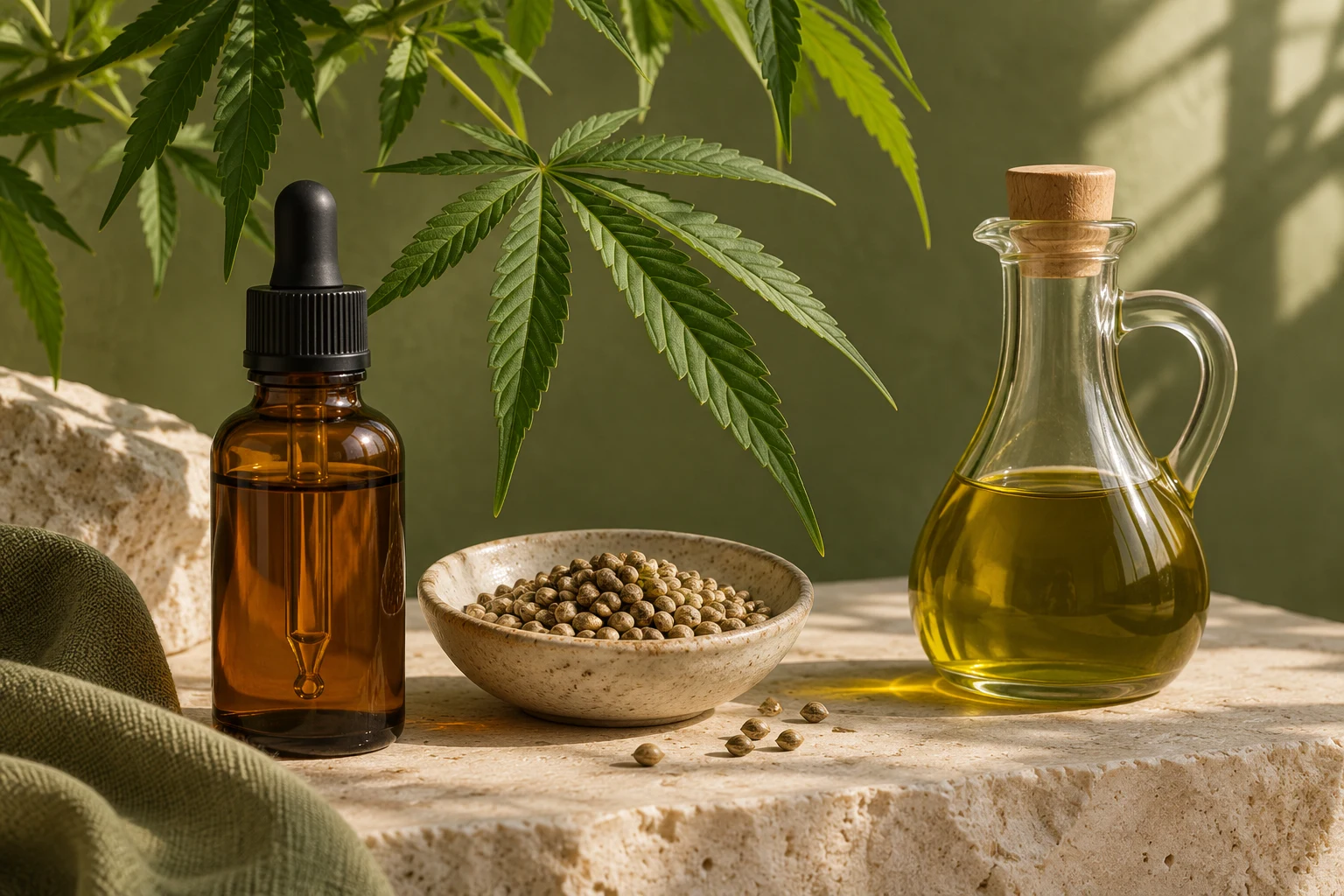
A hemp seed oil sold as a food may instead be identified by its source and culinary use without a stated added CBD ingredient. Do not read a bottle’s volume, a seed-oil weight or the word hemp as a CBD total. Where a listing is ambiguous, ask the supplier to identify exactly what it contains.
Read the ingredient list in full
Look for the named oil or oils, any cannabinoid ingredient and the remaining formulation. Flavourings and other additions can matter to a purchase even when the front label focuses on the plant. Keep the exact recipe attached to the particular flavour, strength and size you are comparing.
Hemp seed oil can also appear in skincare, including formulations that separately contain CBD. Intended use matters: a face oil or massage oil is not an oral product because it shares a carrier with a food. Follow the label’s external-use instructions and keep cosmetic and food comparisons in their own context.
Find a clear CBD declaration
If you are comparing CBD products, identify the stated CBD total and the bottle volume. Do not substitute a general extract figure for CBD. If the label uses a combined CBD/CBDA declaration, retain both names. A percentage also needs its substance and basis to be explained before you can use it reliably.
An ingredient list may identify what was included without giving the exact concentration you need for a comparison. That is a reason to ask for the complete specification, not to estimate the number from the bottle colour, price or product name. Unknown CBD content should remain unknown in your notes.
| Description | Detail to find |
|---|---|
| Hemp seed oil | Its intended use and full ingredients |
| CBD oil in hemp seed oil | The separate CBD declaration and carrier |
| Hemp extract | What quantity of which constituent is stated |
| CBD face oil | The external-use directions and cosmetic formulation |
Keep food-status questions product-specific
The FSA guidance distinguishes hemp seeds and hemp seed oil with an established history of consumption from selectively extracted CBD ingredients, which fall within the novel foods framework. Adding CBD extract to a familiar carrier does not remove the food-status questions about the cannabinoid ingredient and the finished formulation.
A bottle should therefore not be treated as an ordinary culinary seed oil simply because hemp seed oil appears first in its ingredients. Equally, a plant image does not establish a CBD-food listing. Read the product description, consult current official guidance and ask the seller to explain the exact product status.
Compare products by the question you actually have
For an oral CBD product, compare its named CBD amount, carrier, recipe, pack size and measuring instructions. For a culinary oil, consider its labelled food use and storage directions. For skincare, consider texture, ingredients and intended application. The shared plant vocabulary does not make those one shopping category.
Avoid using taste, colour or a claim about natural ingredients as proof of CBD quantity or health effects. If medication or a health concern is involved, seek professional advice before considering CBD. Our shop guides help you read the product information; they do not select a treatment or establish individual suitability.
Three questions about the names
Does every hemp seed oil contain a stated CBD quantity? The ingredient name does not establish one. Look for a separate clear CBD declaration.
Can a CBD oil use hemp seed oil as its carrier? A formulation can identify hemp seed oil as its base and declare CBD separately. Read the exact ingredient list.
Can I swap a cosmetic oil for an oral product? No. Intended use and product instructions govern how a formulation is handled, regardless of similar packaging or carrier ingredients.
Primary references
Read the original guidance
General information, not personalised medical or legal advice. Product and regulatory details can change. Read the exact product label and current source guidance.