Read timing instructions before choosing a time
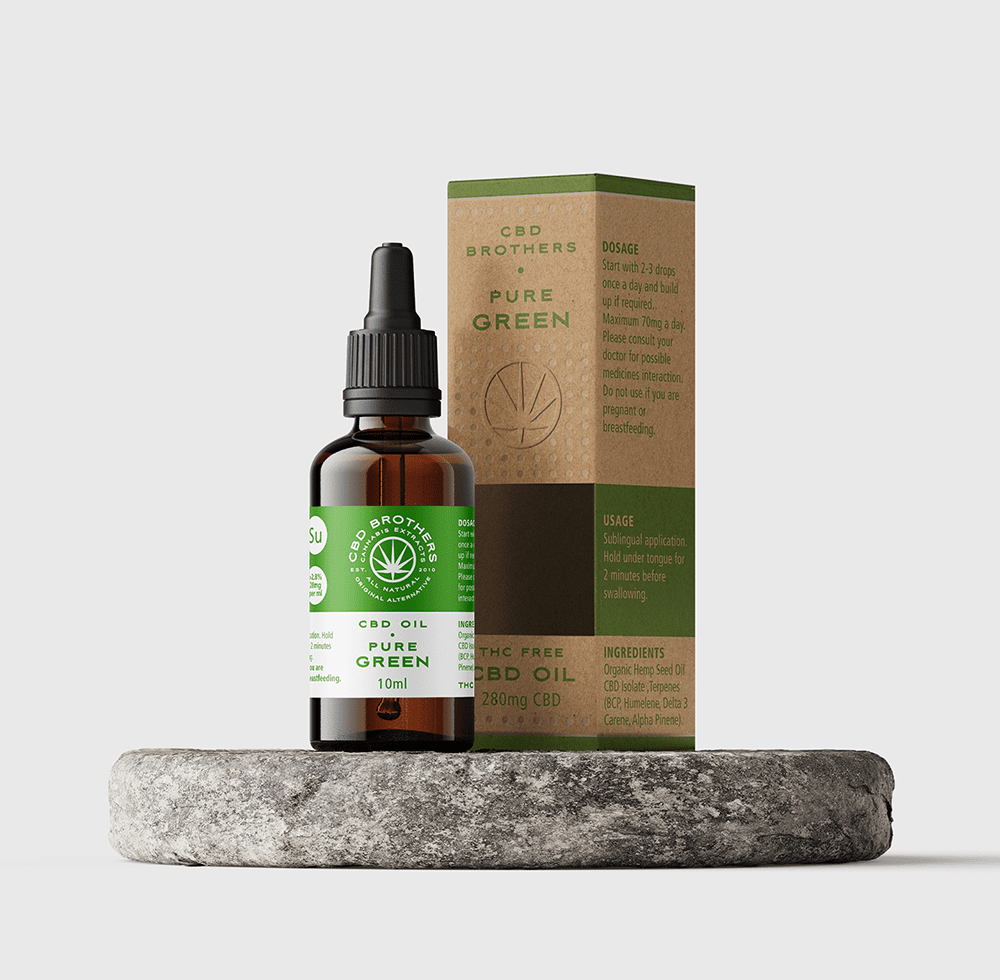
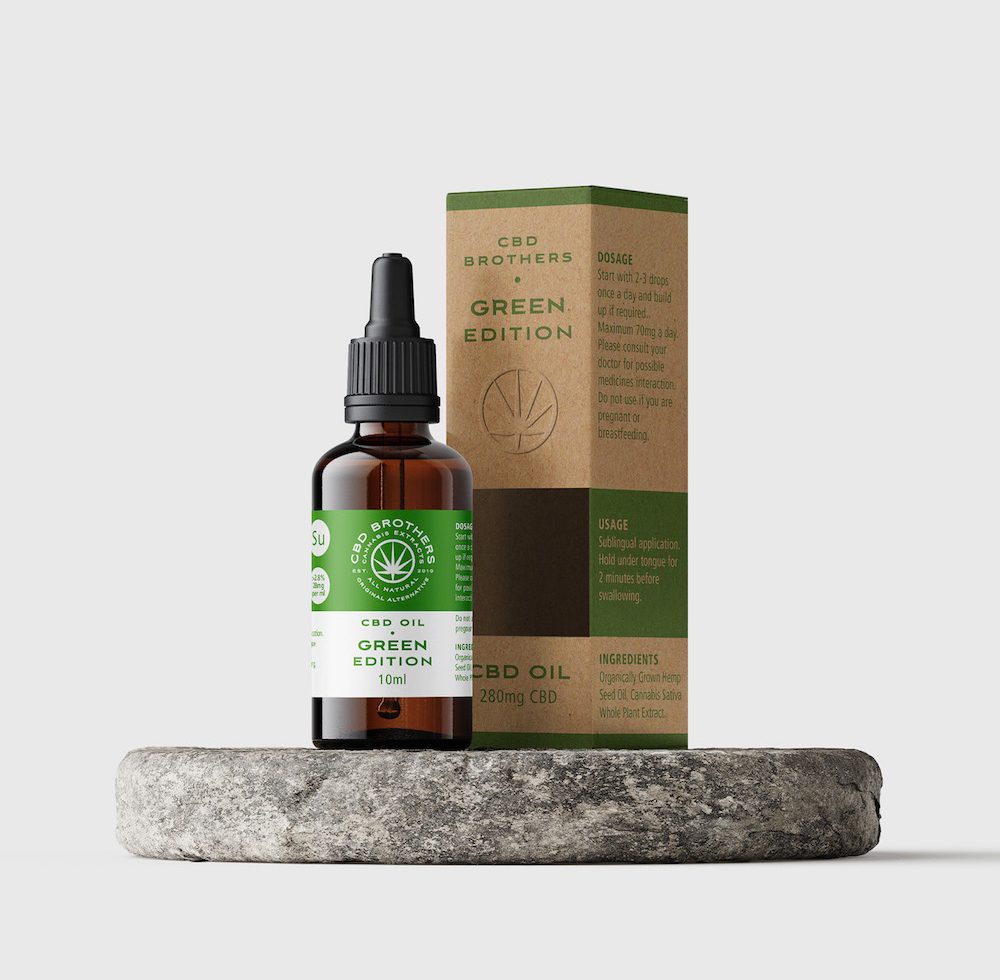
Look for directions on the bottle, carton or leaflet rather than a timetable copied from another product. Note whether preparation, food or storage instructions affect how the product is handled. If the pack provides no timing instruction, a retailer’s lifestyle image does not supply one.
Keep the distinction between a food product and a prescribed medicine. This guide concerns consumer CBD food products. It does not replace a prescriber’s instructions or suggest changing the timing of any medicine.
Treat morning and evening names as descriptions
A “morning” oil, “daytime” capsule or “evening” gummy may have a different flavour or added ingredients. Read those details individually. Coffee, chamomile and lavender are different ingredients; a time-of-day name does not explain the complete formulation.
Nor does an evening label establish that CBD will help someone sleep. Claims about benefits need their own evidence and must meet the applicable advertising rules. At Klora, timing language helps describe a format or proposed recipe, rather than promising a health outcome.
Reference: ASA: CBD health and dosage claims (opens in a new tab)
Changing the time should not add another intake
If you move from one part of the day to another, first check what you have already consumed. Counting “morning CBD” and “evening CBD” separately can hide the total. A flavoured drink, gummy and oil still need to be considered together.
Current FSA business guidance encourages labelling that advises against multiple CBD intakes on the same day. It also explains that a product providing 10 mg in a serving leaves no room for another CBD product that day. This is a reason to avoid creating a stacked morning-and-evening plan.
Reference: FSA: CBD guidance and labelling advice (opens in a new tab)
Keep a simple, factual record
If you are considering a product, record the exact edition, the label instructions and the stated CBD amount. A dated note is more useful than relying on a bottle’s colour or remembering that you had “a few drops”. Keep the pack available when checking any uncertainty.
Do not turn a missed occasion into a catch-up schedule. Consumer CBD foods are not a prescribed course in which this website can tell you to replace a missed dose. Likewise, the absence of a noticeable sensation does not measure how much CBD you have consumed.
Put suitability ahead of scheduling
The FSA advises healthy adults to keep CBD from food within 10 mg per day. That limit is precautionary, not a daily target. Review the suitability guidance before choosing a routine.
If your question is really about sleep, a symptom, medication or another health concern, seek appropriate professional advice. Choosing a clock time does not answer whether the product is suitable, and this guide does not prescribe CBD for those purposes.
Timing questions, answered
Is evening automatically better? No time-of-day product name establishes a universal advantage. Read the actual directions and recipe.
Can I take it again because I notice nothing? A sensation is not a measurement. Check the labelled amount already consumed and do not use this guide to create an extra intake.
Should I take it with food? Follow the product’s directions. Our separate guide explains the questions to ask before adding an oil to a meal or drink.
Primary references
Read the original guidance
General information, not personalised medical or legal advice. Product and regulatory details can change. Read the exact product label and current source guidance.