Read volume and CBD content as separate facts
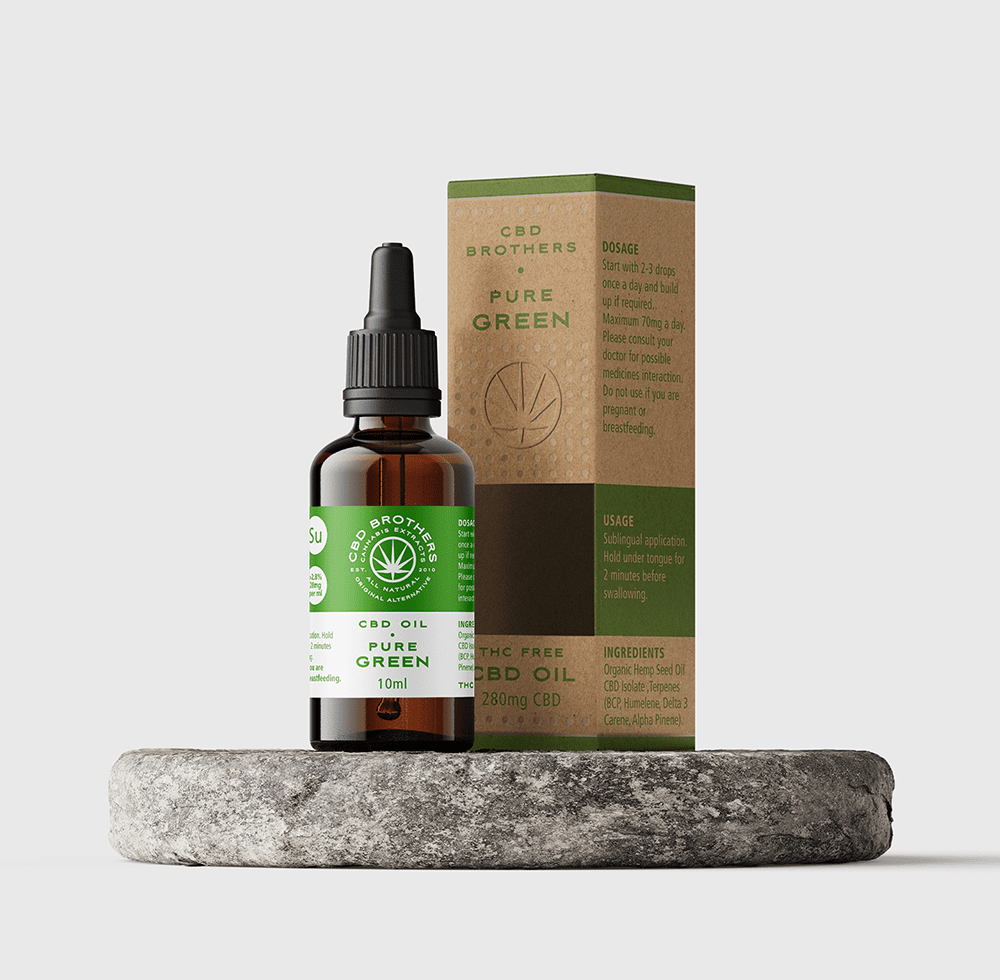
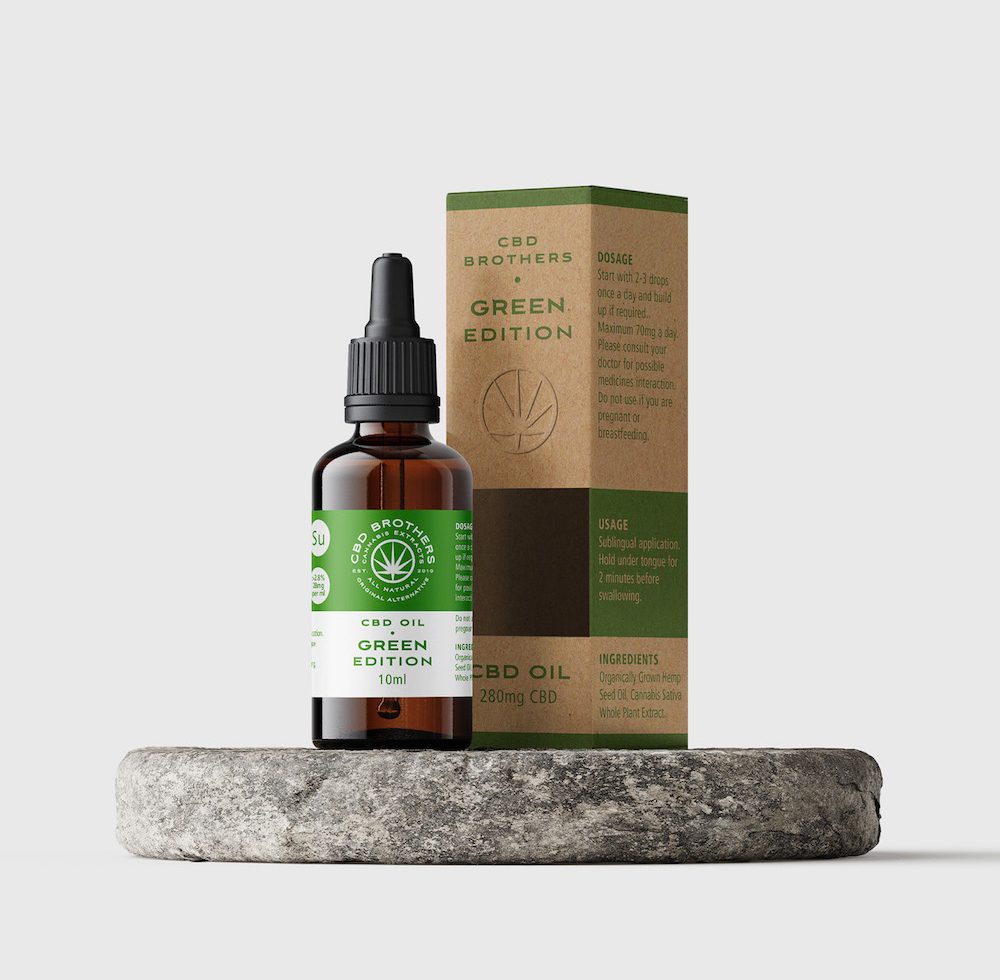
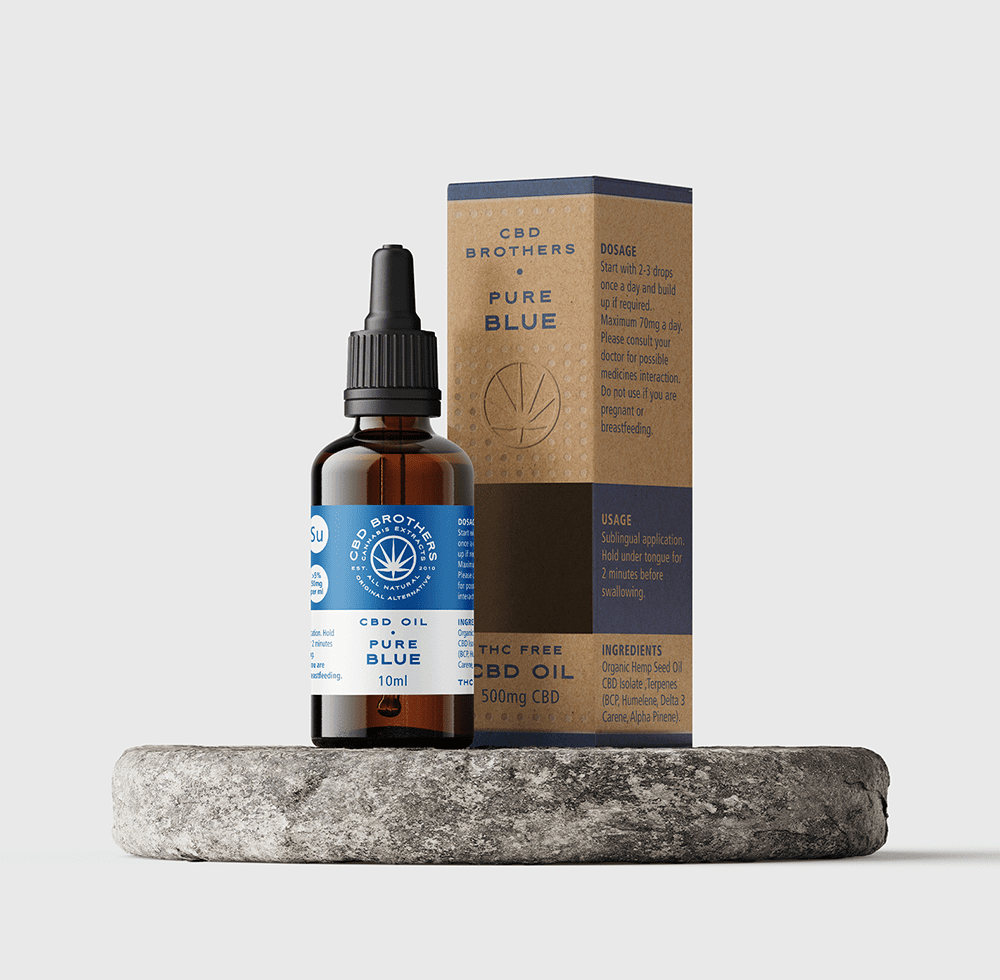
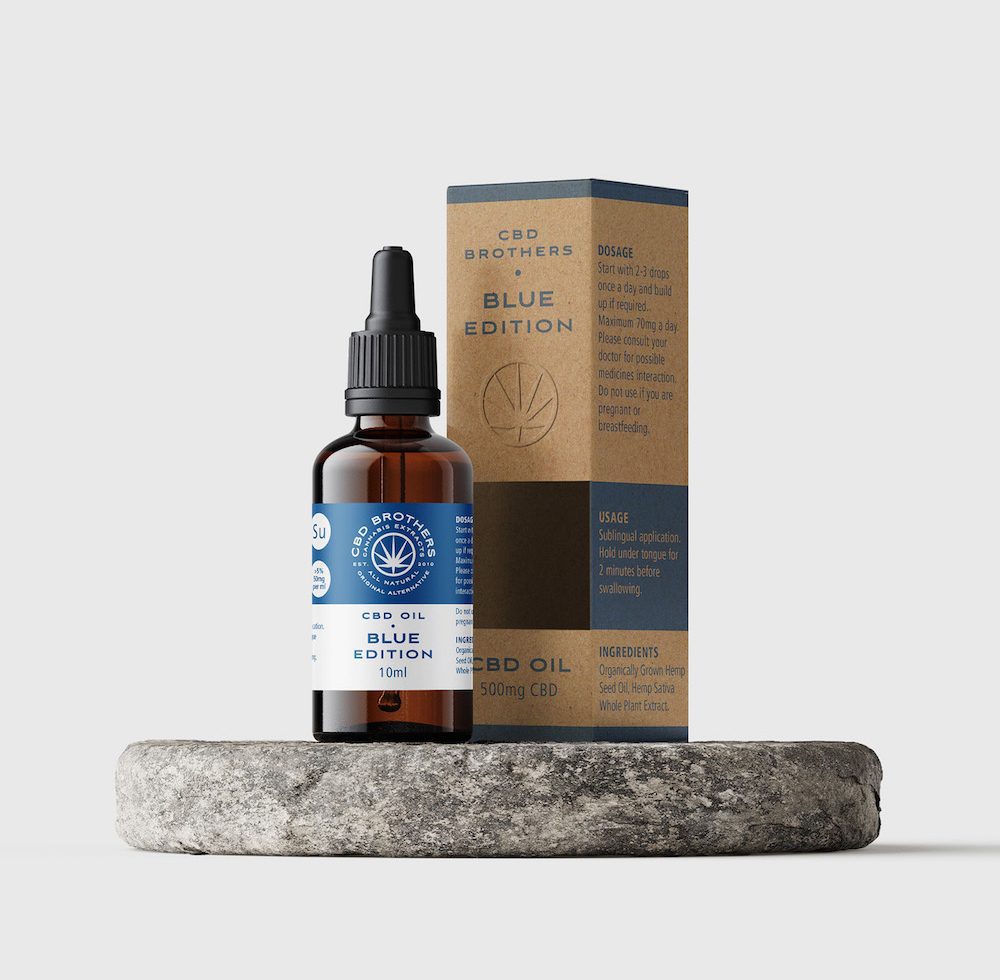
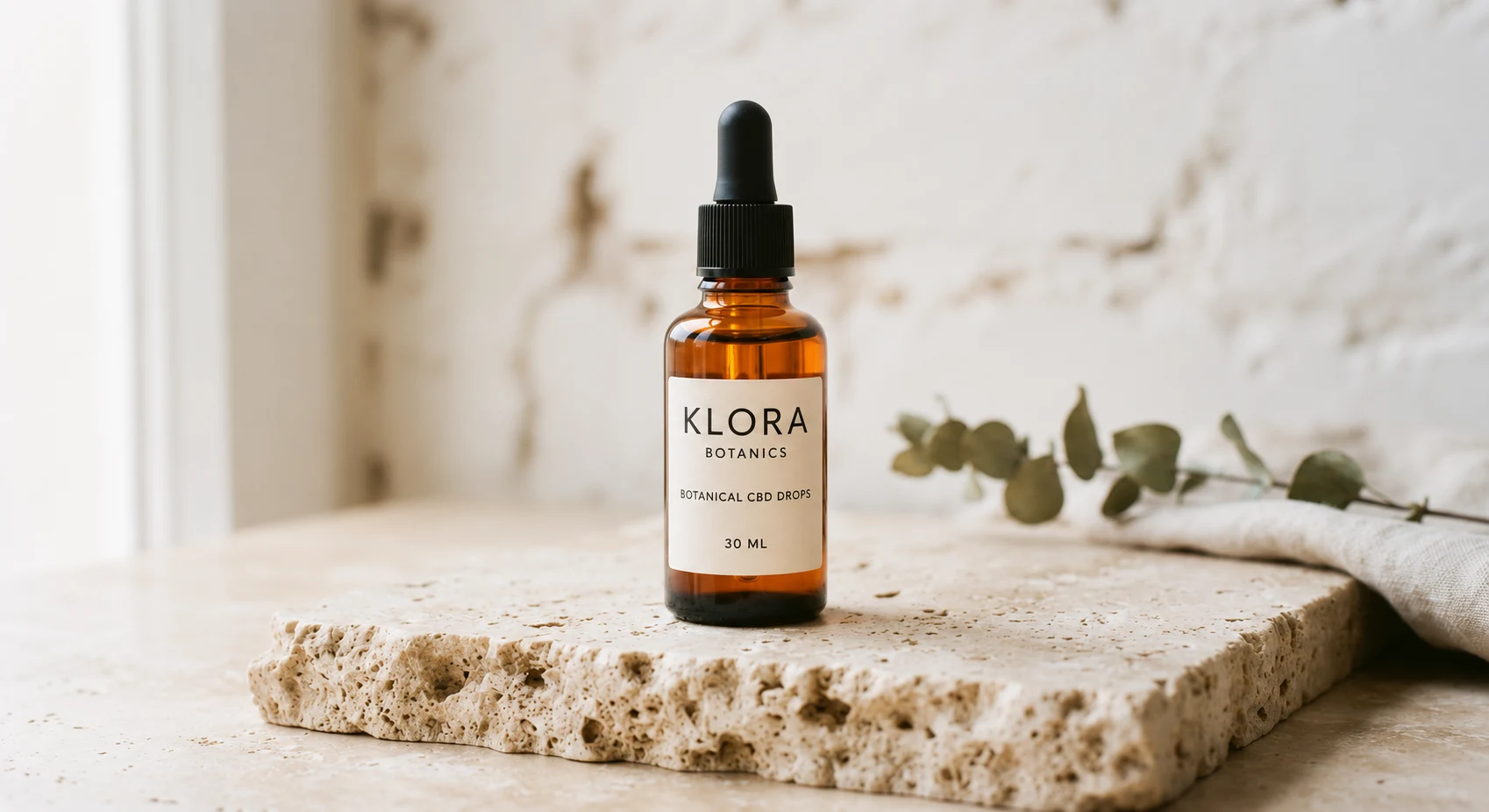
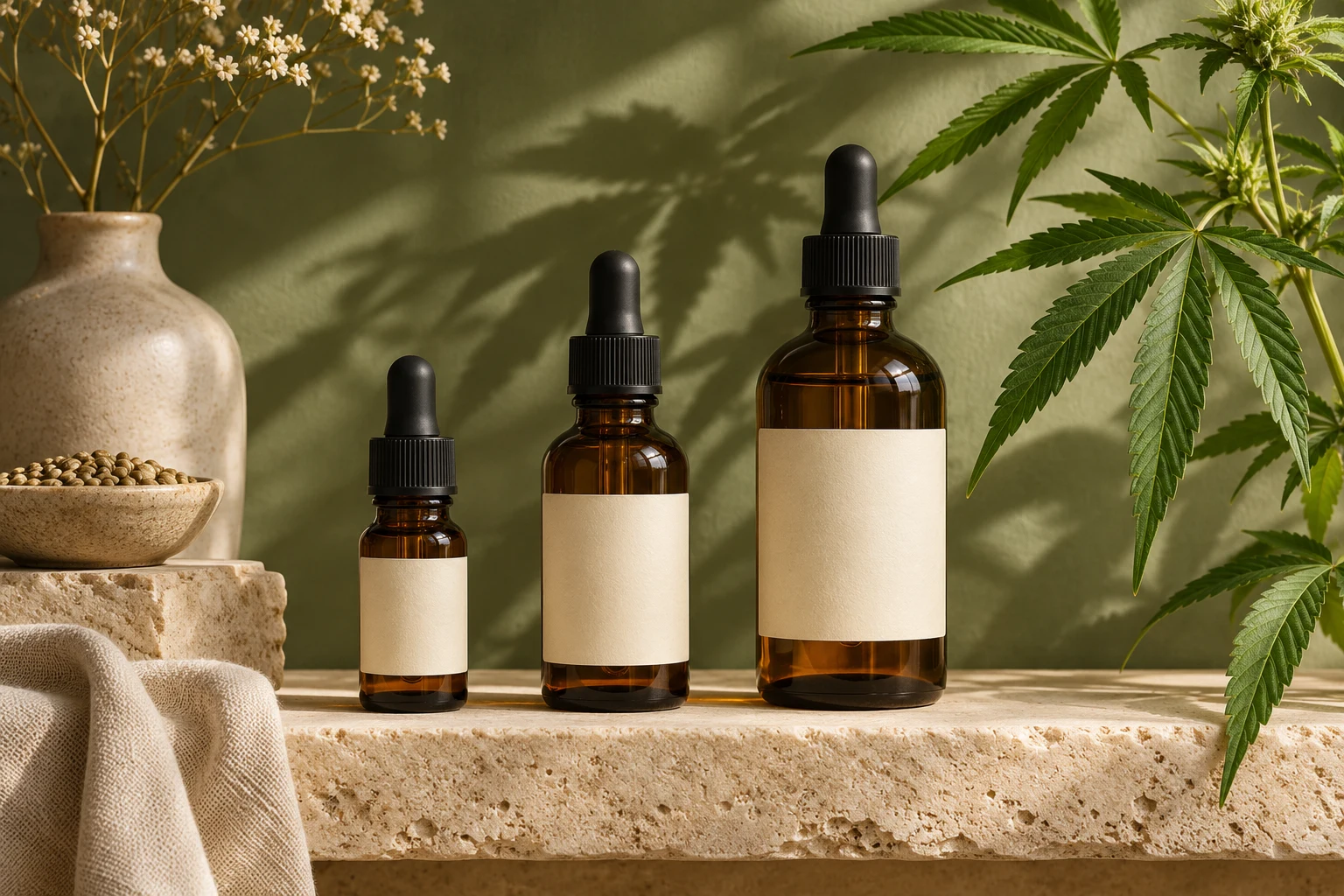
A 10 ml bottle contains less liquid than a 30 ml bottle, but that alone does not tell you which has the higher CBD concentration. Check the total CBD alongside the volume. Two bottles with the same stated CBD total can contain different liquid volumes, while two bottles of equal volume can have different totals.
Keep the substance attached to the figure. A combined CBD/CBDA declaration is not a CBD-only declaration. If you are comparing sizes within one range, confirm that the formulation and the meaning of the stated total remain the same rather than assuming every number scales in the same way.
Check concentration before comparing the bottles
Where a label clearly states CBD in milligrams and liquid volume in millilitres, divide total CBD by volume to calculate stated CBD per millilitre. A hypothetical 10 ml bottle containing 500 mg CBD gives 50 mg per ml. A 30 ml bottle containing 1500 mg CBD gives the same concentration.
A hypothetical 30 ml bottle with 500 mg CBD instead gives about 16.7 mg per ml. Its larger volume does not make it stronger. These examples explain labels only; they are not product recommendations or serving suggestions. Measured amounts still need to follow the exact product instructions.
| Bottle volume | Stated CBD total | Calculated concentration |
|---|---|---|
| 10 ml | 500 mg | 50 mg per ml |
| 30 ml | 1500 mg | 50 mg per ml |
| 30 ml | 500 mg | About 16.7 mg per ml |
| 100 ml | 5000 mg | 50 mg per ml |
Look at how the amount is measured
The bottle and its supplied dispenser work as a pair. Check whether directions refer to a measured volume, a calibrated dispenser or another product-specific measure. A full pipette is not a universal unit. A dispenser from a previous bottle should not be assumed to have the same capacity or markings.
Drop counts also need product-specific information. Changing formulation, bottle or dispenser can change the relationship between a drop and a measured volume. Do not convert a larger bottle into a predicted number of daily uses using a generic internet drop count. Keep the instructions with the pack.
Consider the opening and storage instructions
A larger pack can require a larger upfront purchase and may remain open for longer. Before choosing it, read its printed date, any after-opening period and the storage conditions. These details are specific to the product. There is no universal rule that every CBD oil lasts a set number of months.
Keep the original container and label so the batch, date and care instructions remain together. Do not plan to extend a stated period by decanting, freezing or refrigerating without product-specific directions. If the pack size seems difficult to use within the manufacturer’s instructions, ask the supplier about the alternatives.
Compare the price of the exact variant
A page showing a price from a smaller bottle may also offer a much larger variant. Select the size first, then read the price and concentration attached to it. Compare like with like across shops, including whether a price relates to CBD alone or a combined cannabinoid declaration.
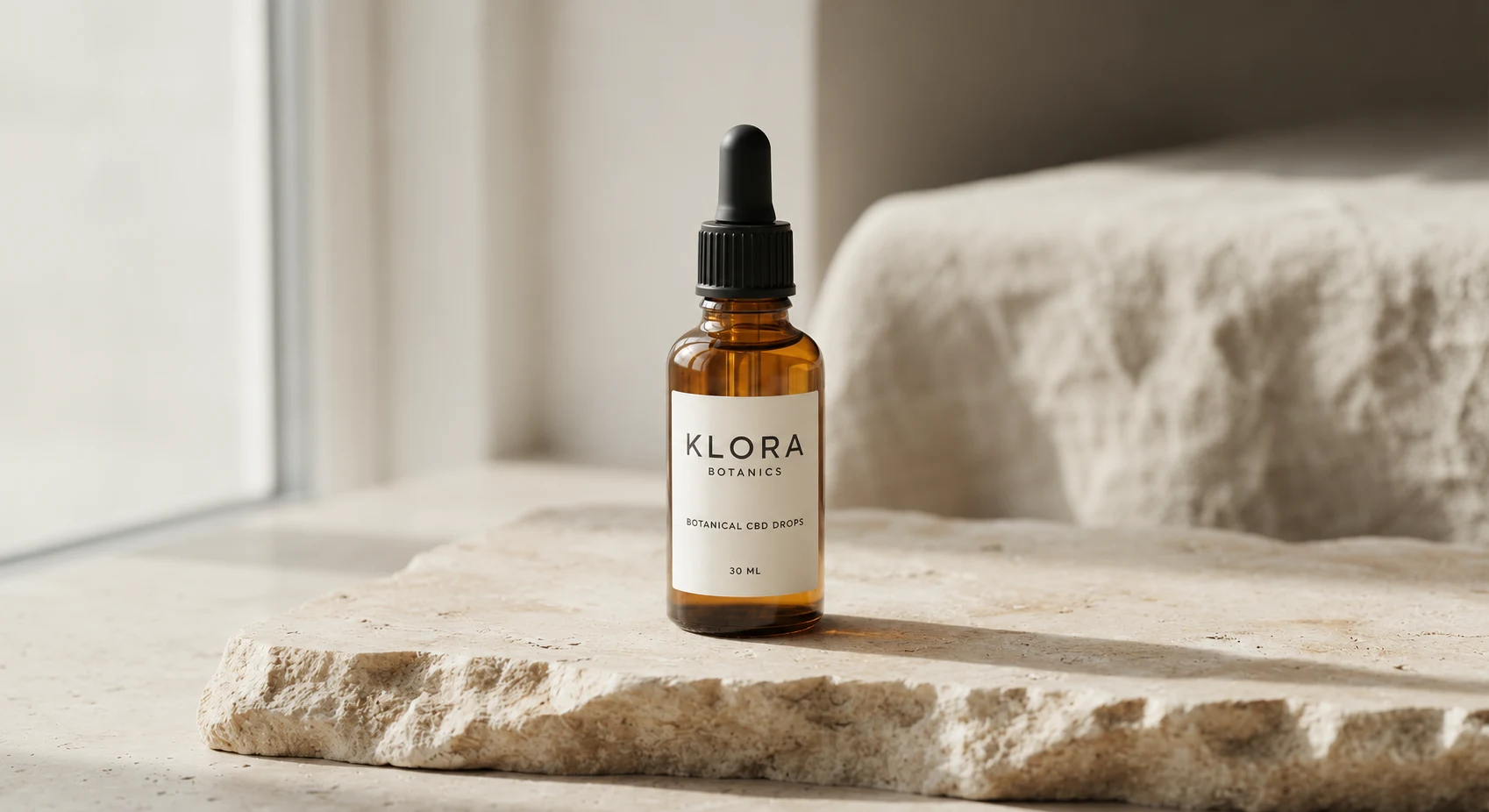
Price per millilitre describes liquid volume; price per stated milligram describes a different basis. Both can be recorded, but neither establishes quality or suitability. At Klora, choose the variant you want to discuss and send an order request. Our team confirms availability and final details before any order goes ahead.
Three bottle-size questions
Is a 30 ml bottle stronger than a 10 ml bottle? Not necessarily. Compare the named total with the volume to understand the concentration.
Can I predict how long a bottle will last? Avoid a universal estimate. The exact measuring instructions, opening period and storage requirements matter, and this guide does not choose a personal intake.
Should I move to a larger bottle after finishing a smaller one? Pack size is a purchasing choice rather than a progression plan. Recheck the ingredients, concentration and dispenser for the new variant.
Primary references
Read the original guidance
General information, not personalised medical or legal advice. Product and regulatory details can change. Read the exact product label and current source guidance.