Start with the formula you actually have
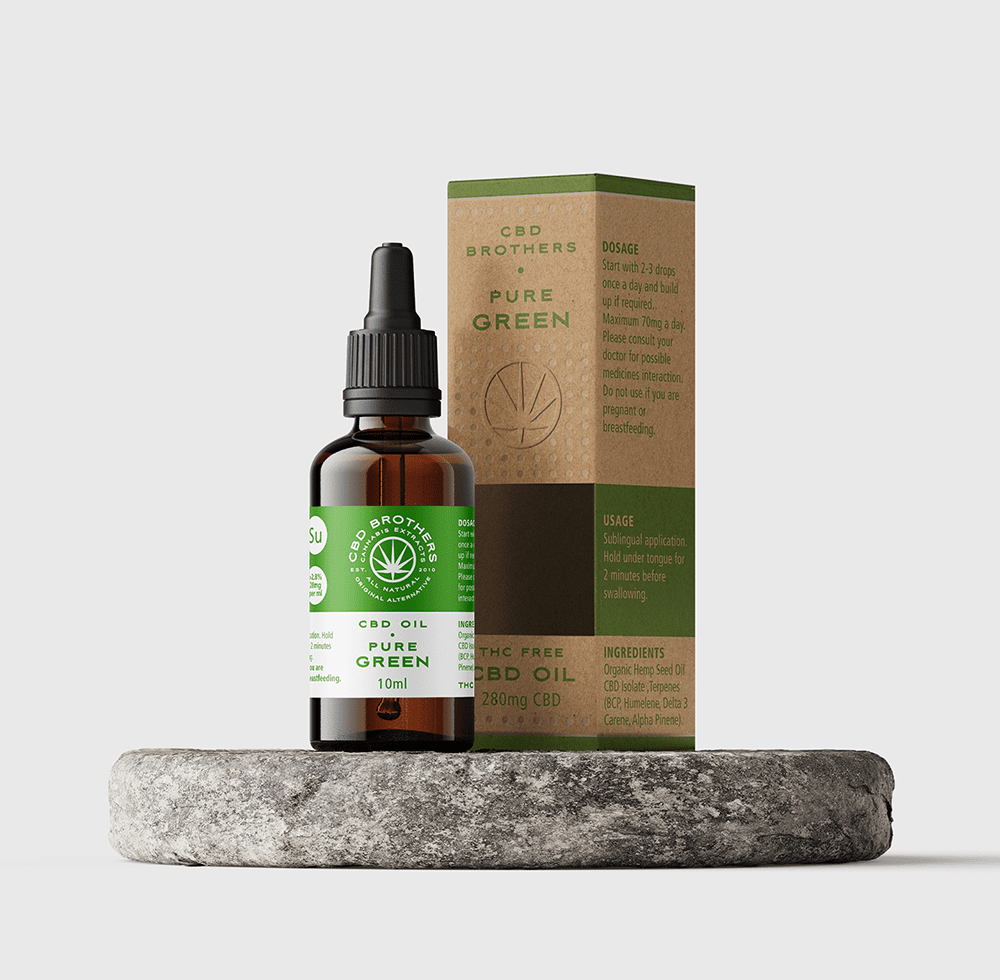
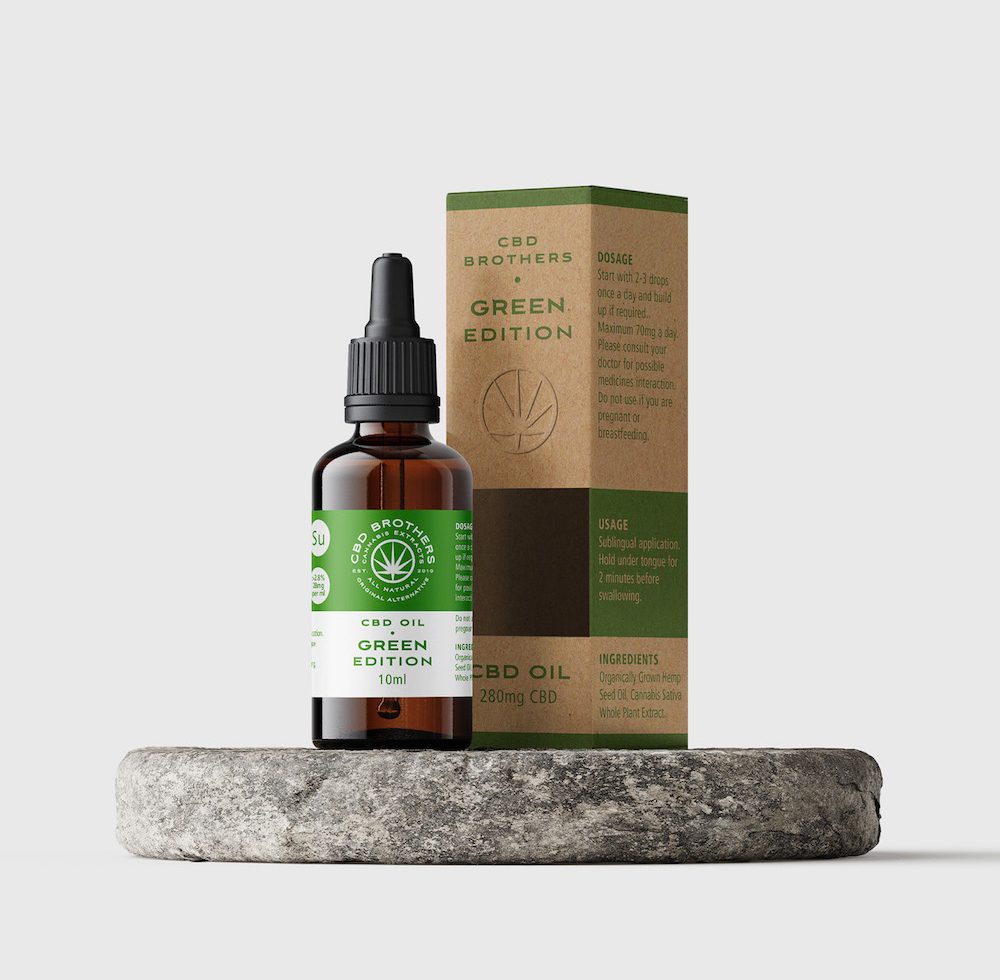
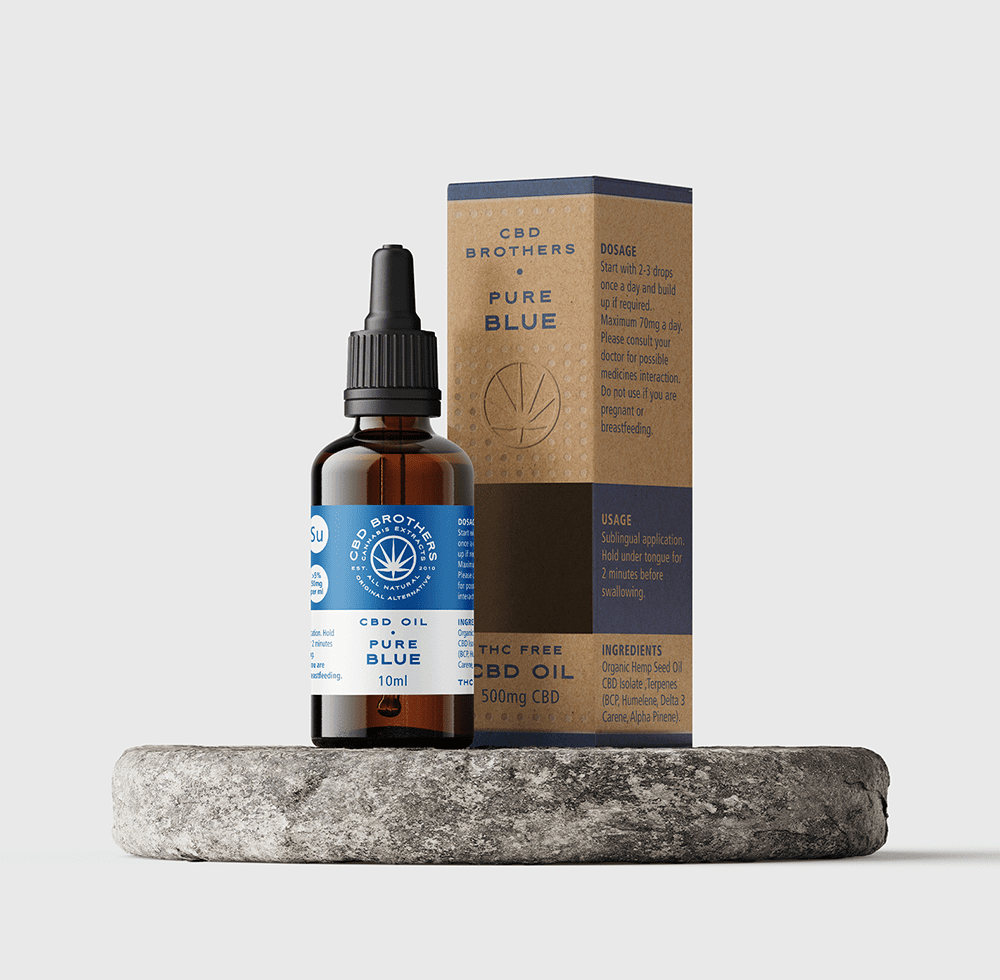
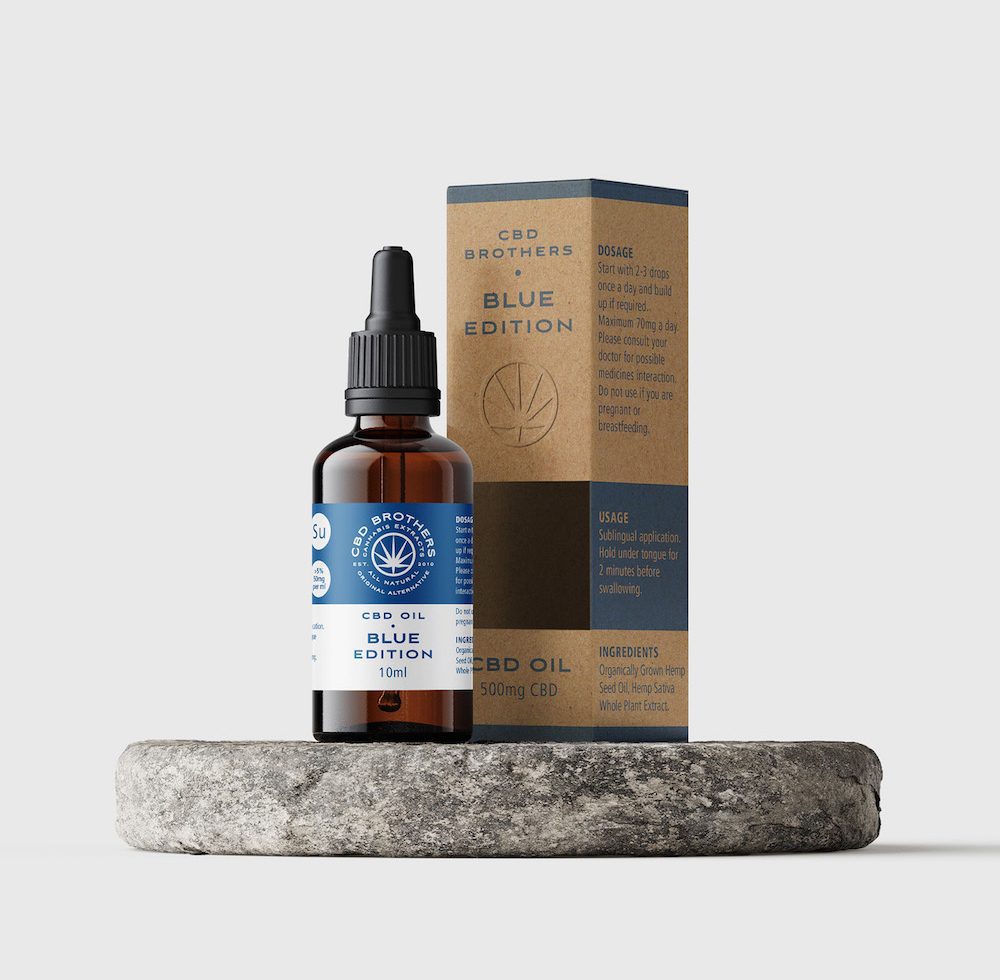
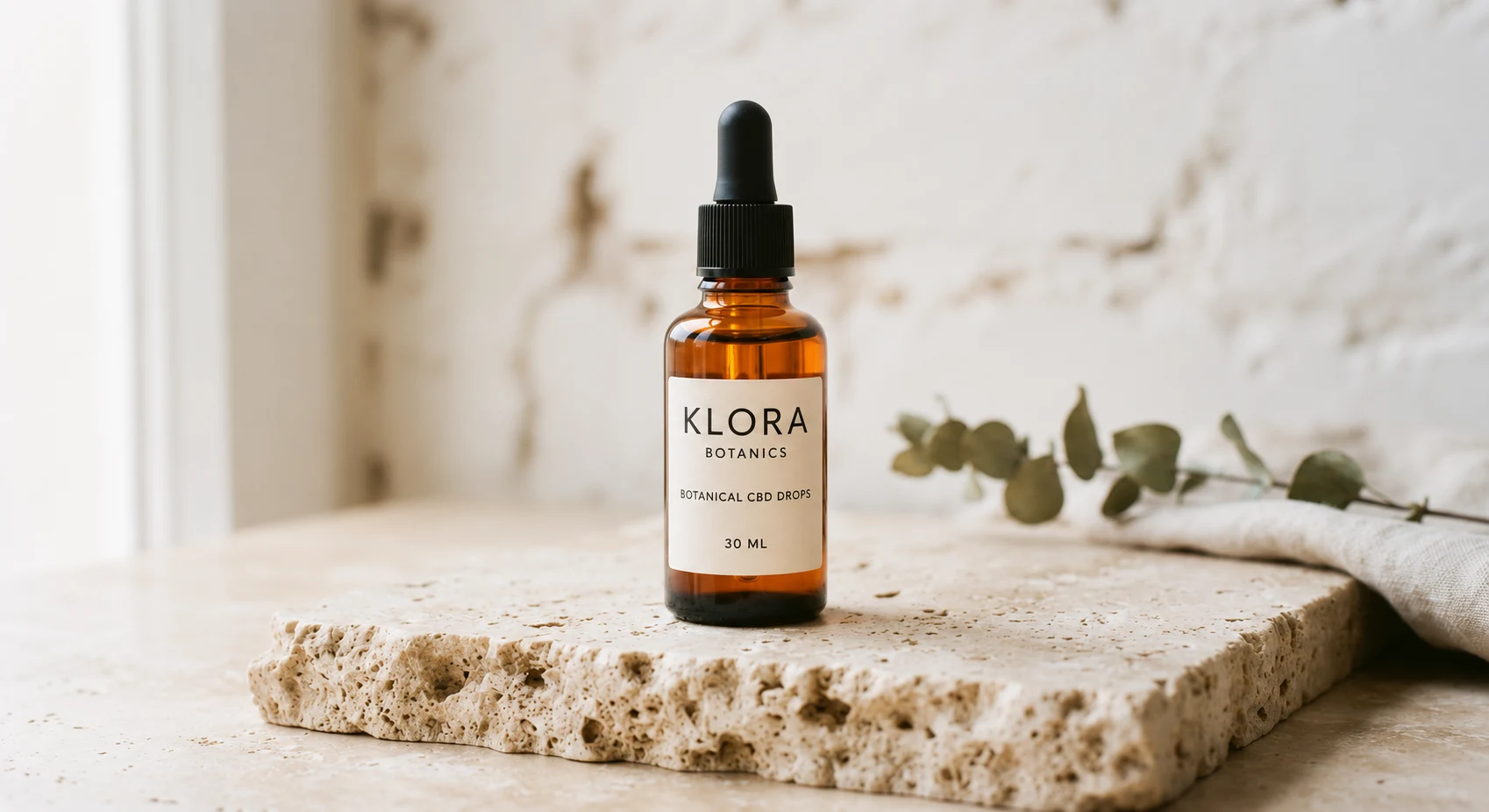
Identify the product, size, concentration and batch before comparing it with another bottle or a website photograph. Read the carrier and added ingredients. A photograph is affected by the bottle, lighting and background, while the product description may refer to a different edition or an older pack.
If you are comparing two formulas, use the declared recipe as the starting point. A carrier oil, flavouring or extract description can help explain the product’s intended characteristics, but no single feature should be used to identify an unlabelled liquid. Keep the original pack and instructions with the bottle.
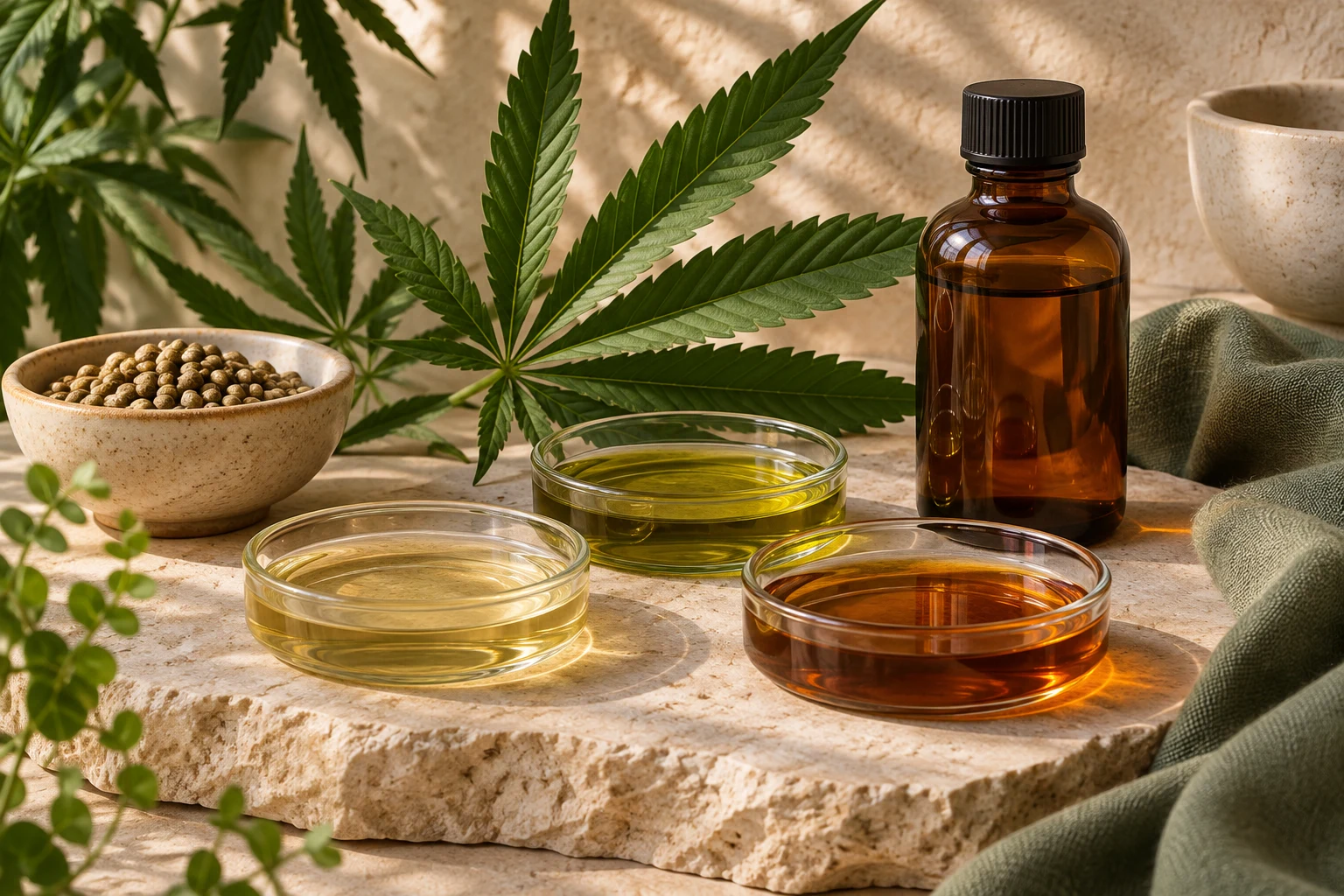
Do not turn colour into a strength scale
A darker-looking oil is not a measurement of CBD. Equally, a pale or clear appearance is not proof that a product contains no CBD. Use the labelled quantity and the relevant analytical information to answer a concentration question. Colour cannot supply missing milligrams or tell you the contents of a drop.
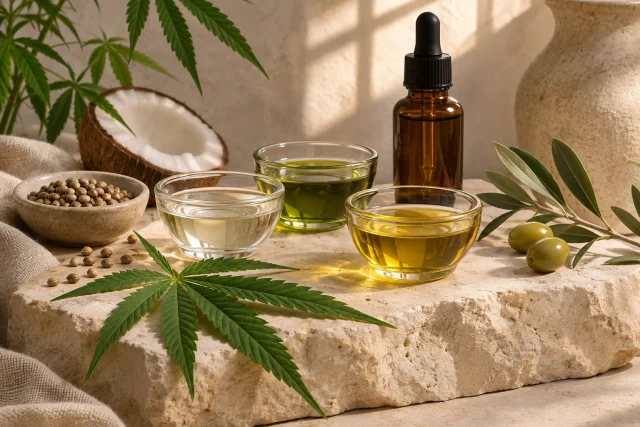
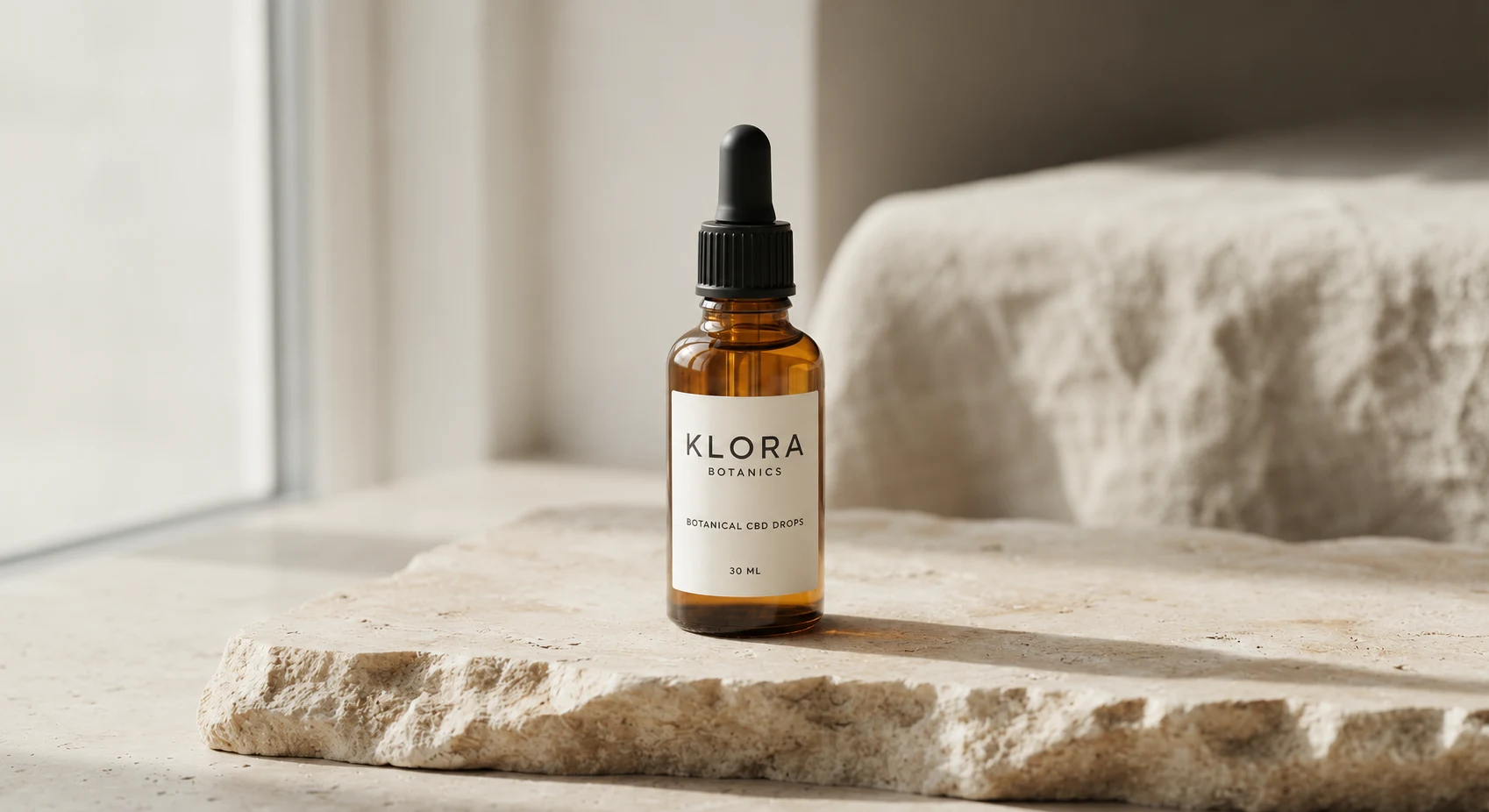
This matters when browsing photographs side by side. An amber glass bottle can make a liquid look darker, and edited lighting can make a product appear clearer. Choose by comparable product information rather than by arranging the images from light to dark and assuming that the darkest is the strongest.
Treat flavour descriptions as preferences
Unflavoured usually needs a more precise question: does the supplier mean no added flavouring, or are you expecting no noticeable taste? Read the recipe and description before buying. A botanical or earthy description should not be interpreted as proof of full spectrum, while a fruit flavour does not identify the extraction method.
Do not taste an unknown, damaged or possibly unsuitable product to investigate it. Flavour is not a safety test. If a product differs unexpectedly from its stated description, the useful next step is to contact the supplier with the label and batch details, rather than comparing it with descriptions from unrelated brands.
Ask about an unexpected change
If the oil looks different from an earlier bottle, check whether the formula, carrier, concentration or pack has changed. A repeat purchase can be a different batch, so keep the specific references rather than asking the supplier about CBD oil in general. A clear photograph and a short description help the team investigate.
Unexpected cloudiness, separation or a change in texture cannot be diagnosed from this guide. Follow any product-specific instructions and ask the manufacturer whether the observation is expected for that formula. Do not improvise heating, freezing or other treatments to restore an appearance when the label does not instruct you to do so.
Keep dates and storage in the check
Read the printed date, any after-opening instruction and the storage directions. A product can look ordinary while still being outside the instructions that apply to it. Conversely, a sensory observation cannot establish how much CBD remains in a bottle or justify extending the period given by the manufacturer.
Where the date, seal or handling history is uncertain, set the product aside and ask for clarification. Avoid treating a familiar flavour as reassurance that everything else is in order. The strongest useful conclusion from an unresolved observation is that you need more product-specific information.
Appearance questions, answered
Is darker CBD oil stronger? Colour cannot establish concentration. Compare the CBD amount, volume and supporting information for each finished product.
Does a bitter or earthy taste prove quality? No. A flavour description does not verify purity, cannabinoid composition, contaminants or regulatory status.
Should I fix a cloudy oil myself? Do not infer a remedy from a generic guide. Keep the product within its stated storage instructions and ask the manufacturer about your exact batch and observation.
Primary references
Read the original guidance
General information, not personalised medical or legal advice. Product and regulatory details can change. Read the exact product label and current source guidance.